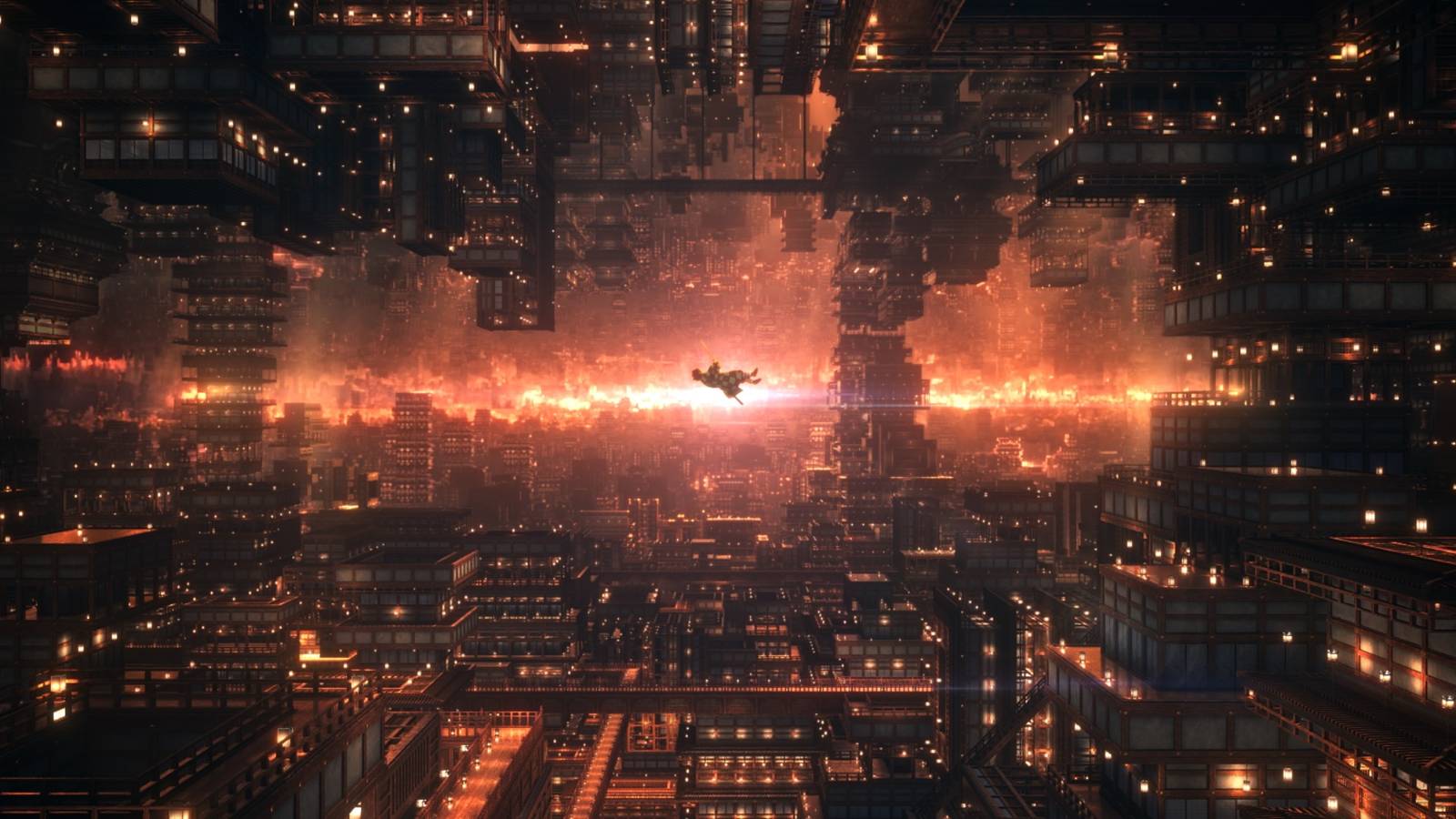
Demon Slayer: Infinity Castle is not only a box office hit, but proof that Ufotable’s 2020 smash hit Demon Slayer: Mugen Train wasn’t just a fluke that benefited from being one of the only films released during lockdown. Infinity Castle didn’t just stand out in a year packed with standout animated films like KPop Demon Hunter, Ne Zha 2, and Zootopia 2 — it’s now being recognized alongside them during awards season in North America. While anime does occasionally earn award recognition, such as 2023’s The Boy and the Heron, those honors typically go to prestigious studios like Ghibli, known for their highbrow approach to universal themes. Infinity Castle breaks that pattern as the latest canonical installment in the densely layered Demon Slayer anime series.
Ufotable is renowned as one of the best contemporary anime studios in the world, producing such works as Fate/Zero and the Fate/stay night: Heaven’s Feel film trilogy. The Tokyo-based studio is also known for its seamless fusion of hand-drawn 2D and 3D animation, elevating CG in a medium that traditionally looks down on its use. While visiting the United States for the Golden Globes (they were nominated for Best Animated Feature but lost to Kpop Demon Hunters), Ufotable co-founder and Infinity Castle writer/chief director Hikaru Kondo, along with producer Yuma Takahashi, spoke with Polygon via translator about the film’s box office success and their approach to adapting the manga arc into a trilogy of films.
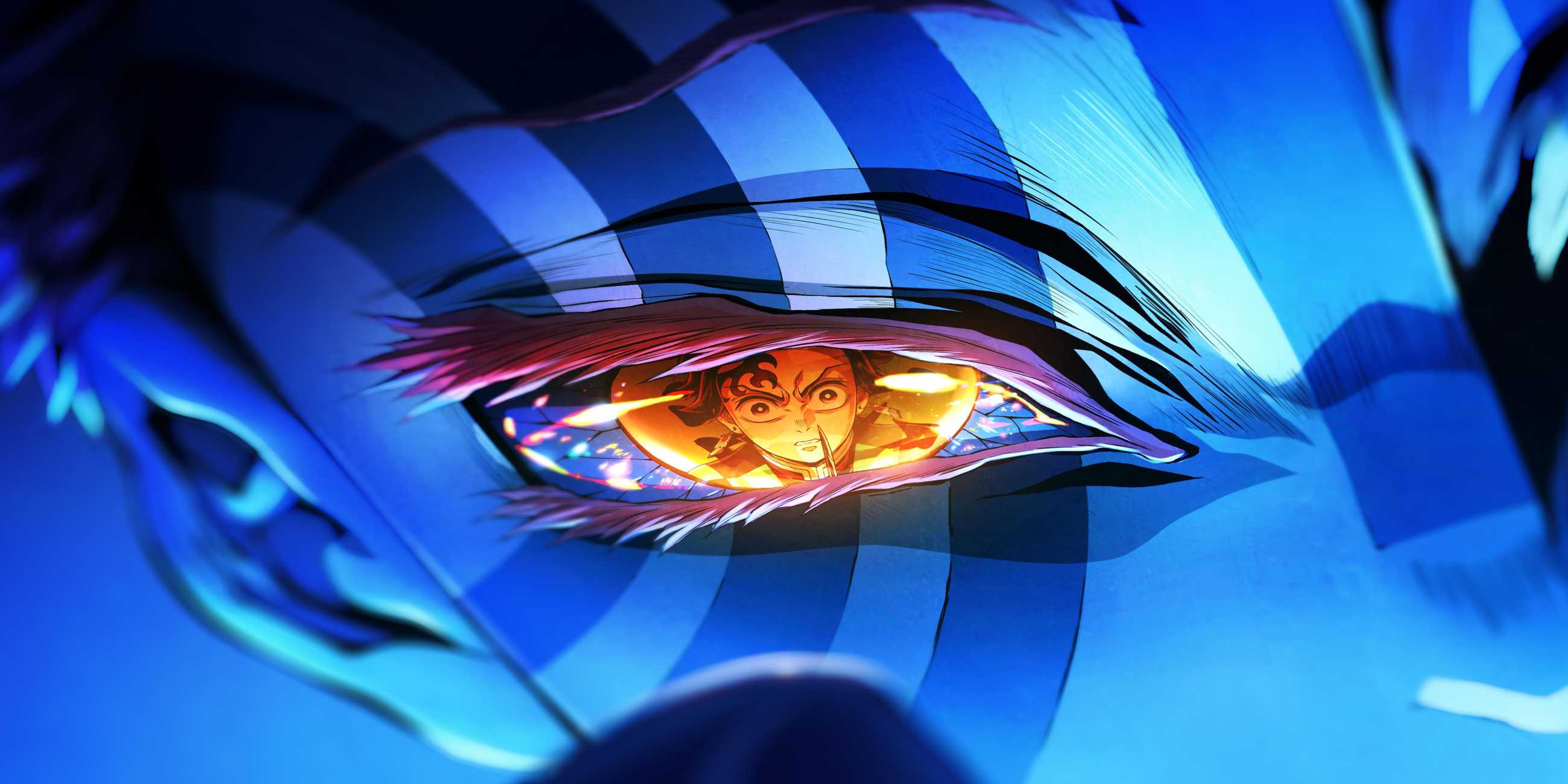
Image: Sony Pictures Entertainment
Polygon: Do you feel like anime has shed its underdog skin at the North American box office?
Yuma Takahashi: Well, to be honest, we’re not super informed about the situation in America, so we’re going to flip that question back on you and say: Well, how is anime’s reception and how is the anime perception in the United States right now? Has it shed its underdog status?
I believe 2025 will forever be remembered as the year anime beat Superman and will go on to be the starting point for where anime is going in terms of popularity 10 years from now.
Takahashi: So I’m going to answer as best I can and try to gather my thoughts. We have had a huge fan base since the Unwavering Resolve arc, even leading up to the Mugen Train arc, and us as a studio, regardless of whether we’re working on a TV series or a movie, we don’t adjust the quality. We always try to serve the best possible visual expression to match the story that we can in terms of animation.
We took Mugen Train around the world, and it had a lot of success. That led into Infinity Castle, but seeing that fan base and that energy is very encouraging. Whenever we make animation, our biggest goal is for as many people as possible to be able to see it.
The world tour was huge leading up to Infinity Castle’s success. We went on the road in 2023 and 2024, two separate times. That was Kondo-san’s idea, and it gave us the opportunity to really see the fandom in the United States and that energy directly.
When I translated the underlying works into the screenplay, it was clear that it wasn’t going to fit.
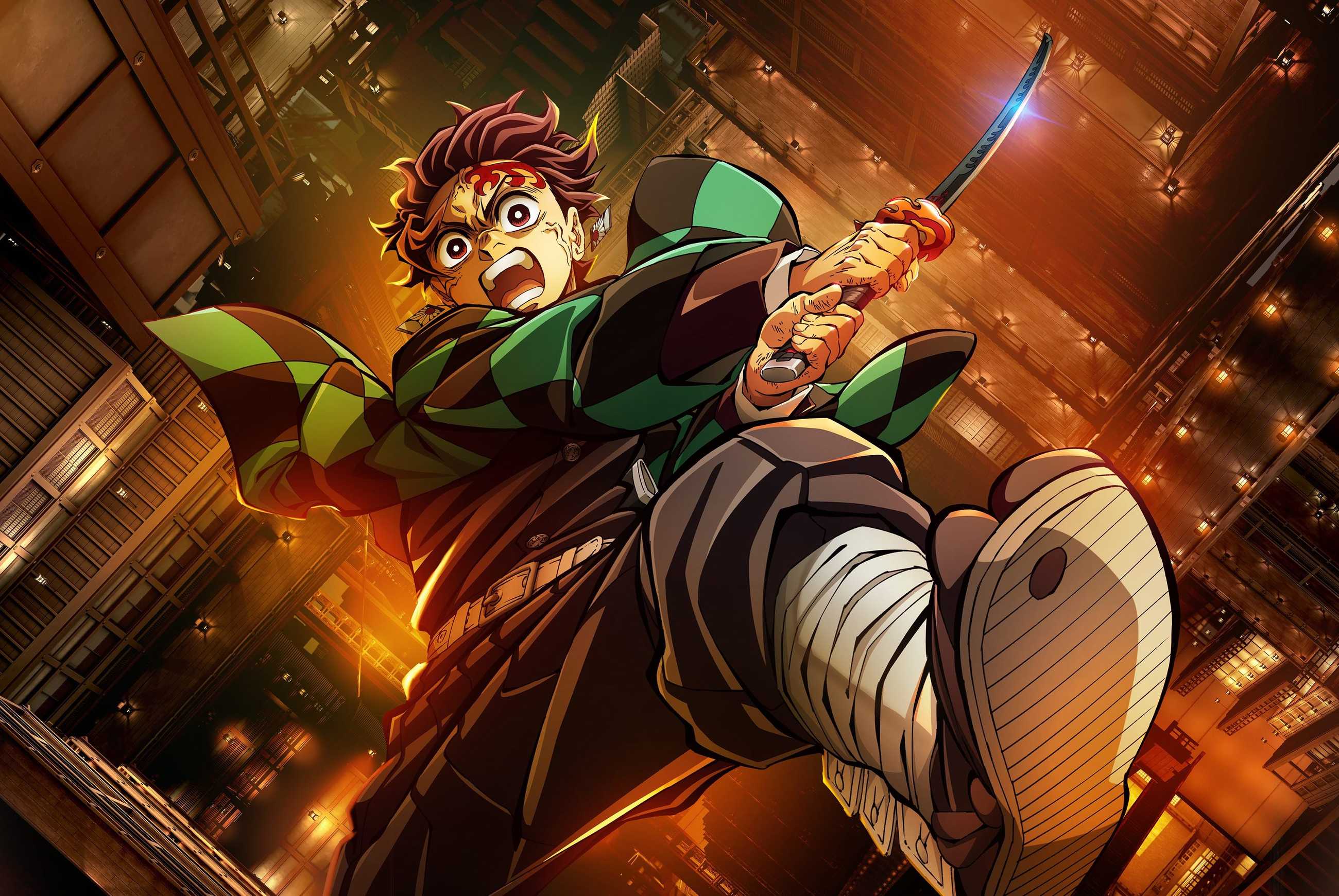
Image: Koyoharu Gotoge, SHUEISHA, Aniplex, ufotable
As chief director, what was the one visual goal you set out to achieve with this film?
Hikaru Kondo: Well, first, it really is the screenplay of the film and the planning stage of what kind of story. What kind of movie are we going to turn this into? And for me, that was a huge bottleneck and possibly one of the hardest parts of this film, because when I translated the underlying works into the screenplay, it was clear that it wasn’t going to fit.
In terms of the visual expression, I did part of the storyboards personally. And then, looking at the overall composition and different scenes that we have in the movie at this stage, I think about, well, how are the individual animators and artists going to translate this storyboard into the action that we see? For example, Giyu’s sequence: If I give that to our animator, Kunihiro, what kind of action sequences can he come up with? Or if we give this scene to [Go] Kimura, what are we going to see? Or [Nozomu] Abe? There are different key animators that we have in our studio that excite the entire team. What kind of action are they going to be able to invent and translate? There are a lot of different sources of creation.
It’s very hard to define the workflow or pipeline.
Ultimately, I oversee the entire storyboarding process. But you look at all the different scenes, shots that we have in this film, well then, we should assign this shot to this animator, that shot to that animator. Ok, now that everyone’s exchanging their ideas and we’ve signed everything, do we start from 3D first, or 2D first? These are all conversations and communication that happen in the studio. Or do we need to have another round of pre-vis before we feel comfortable going into actually putting pencil to paper and animating? It’s really on a shot-by-shot basis. It’s very hard to define the workflow or pipeline.
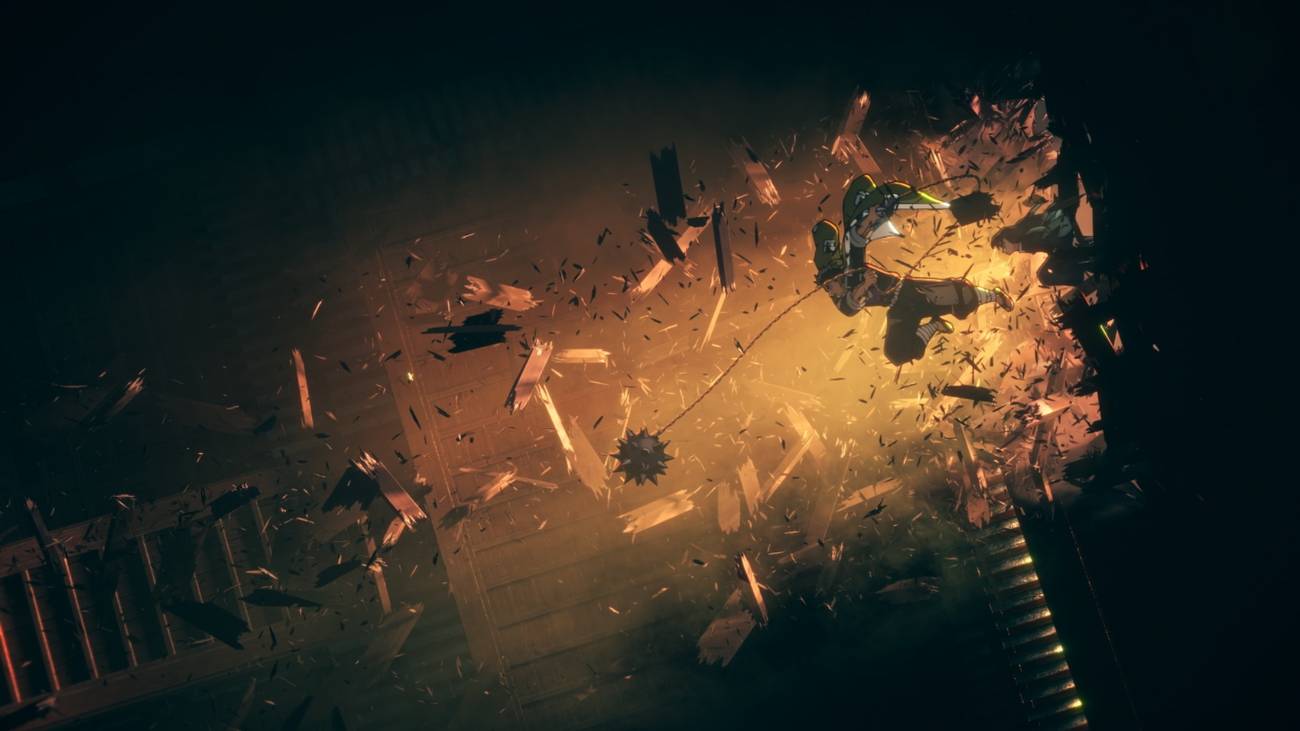
Image: ©Copyright ©Koyoharu Gotoge, SHUEISHA, Aniplex, ufotable
What are your thoughts on anime films covering canon work? Will it become a new trend? Are there pros and cons from a creator standpoint?
Takahashi: That’s a great question, but I don’t think we can dive too deep into that until we’ve done all the movies, and then I think the intent will become clearer. There’s still two movies.
As you look back at your career, the number of gems you’ve contributed to the medium, coming off such a monumental achievement, is there still that one project from way back that you have a soft spot for?
Kondo: There are projects in my career that went really, really well, and others that didn’t quite go as planned. That’s part of production. You take all of your wins and your losses, and you use that to go to the next project, and next project after that. Having done that for as long as I have, the final result right now is the success we see with Demon Slayer. Everything that happened in my past is what brings me to where we are.
Being able to work with that team together over the years is perhaps the true asset and value that exists there.
You look at the people who worked on Infinity Castle, [Haruo] Sotozaki, [Akira] Matsushima, and we’ve worked together on the Tales series. And then Kimura, we’ve worked on all the Night’s together, [Yûichi] Terao, all these different team members and staff that we’ve worked with over the years. That is a huge part of our identity as a studio. We’ve worked together, leading all the way up to today, over the years. You see the anime, you see the finished product, but behind it, it’s not just that we worked on a single anime or a single project. There’s a long history that led up to that moment. Being able to work with that team together over the years is perhaps the true asset and value that exists there.
There won’t be a TV anime rendition of Infinity Castle like there was with Mugen Train, will there?
Kondo: I cannot answer.