 Nina Raemont/ZDNET
Follow ZDNET: Add us as a preferred source on Google.
ZDNET’s key takeaways
- AI is powering a shift in health technology.
- Wearables are becoming sleeker with the introduction of new haptics.
- Consumer EEG, hormone health, and vagus nerve stimulation are hot.
I spent last week rummaging through press releases, attending briefings in Las Vegas hotel rooms, and speaking with health technology companies about what’s next in their industry. While the products are new, the same themes remain: these companies aim to transform your life — and, by extension, your health — with their products. Will they live up to their promise?
Also: I’m still thinking about the 8 weirdest tech gadgets I saw at CES – and some are even useful
I came back from my meetings refreshed and energized by what’s next in this industry — and eager to talk about it. I called upon Safoora Khosravi, a senior research associate in consumer health science and wearables at Lux Research, to discuss some of the trends she also observed at CES 2026.
1. AI is powering next-gen wearable tech and diagnostics
The best health devices effectively combine medical-grade sensors with strong AI to not only accurately capture biometric data but also connect data for diagnostics. “AI is no longer a feature in itself; it’s becoming foundational,” Khosravi told me. “At this point, what matters isn’t whether a product uses AI, but how effectively it translates data into diagnostics, behavior change, and outcomes.”
Also: 40 million people are using ChatGPT for healthcare advice
The hardware in these health trackers is becoming increasingly accurate, with several devices earning FDA clearance for specific features and sensors. As the health technology space heats up, these medical stamps of approval will no longer be nice to have — they’ll be required.
“We’re moving beyond single-sensor metrics toward multi-signal insights, for example, linking movement patterns to stress, breathing patterns to illness or fatigue, or even using PPG signals to infer glucose-related insights,” Khosravi said.
Nina Raemont/ZDNET2. Smart wearables are getting sleeker
Once bulky and overbearing, fitness trackers like smartwatches, smart rings, and smart bands are getting a Cinderella-style facelift. I saw a Yuwell smart ring that was uber thin and ultra-light — nearly half the thickness of my Oura Ring. I saw fitness bands with modern colors and designs that looked more like sleek bracelets than they did health trackers. Even before CES, I had written about smart earrings that strike a balance between discreet looks and blood-flow-tracking functions. These health trackers no longer demand attention; they are wrapped in pretty, wearable packages.
Also: Smart jewelry is getting smarter – and more stylish
“Form factor is becoming a real differentiator in wearables. We saw many smart rings focused on getting smaller and more aesthetically appealing,” Khosravi told ZDNET.
These movements in an aesthetic direction prove to me that there will be less friction between health tracking tech and accessories in the future. This trend also reflects the mainstream adoption of wearable technology. These products used to be conversation topics at parties — I remember the first time a friend asked me why my ring was glowing green. No longer novel, wearables’ role is not to call attention to itself. Instead, it’s in the background, monitoring biometrics inconspicuously and beautifully.
3. Haptics are coming to more smart rings
Haptics on smart rings might sound rudimentary. After all, every smartwatch has haptic feedback. However, as smart rings adopt more functionalities, such as smart alarms or buzzing health alerts, the technology’s realm of possibilities opens further.
Additionally, companies are flirting with NFC functionalities that turn these accessories into digital wallets and keys, and are even developing rings that capture thoughts and jot down reminders, then seamlessly store them on an accompanying app.
“Haptics are a useful bridge between passive tracking and active nudges, and they’re becoming more nuanced,” Khosravi said.
Nina Raemont/ZDNET4. EEG goes consumer
EEGs (or electroencephalograms) taken at doctors’ offices have often been a lengthy and complicated process. Medical professionals attach electrodes across the head with a sticky gel to measure brain activity. Removing the electrodes is especially time-consuming, often requiring washing the hair several times.
Last week, French neuroscience company Naox unveiled Naox Wave, EEG wireless earbuds that capture brain activity as users work, sleep, and exercise. The consumer earbuds build on its recently FDA-cleared Naox Link in-ear EEG system for healthcare professionals. Naox designed its earbuds and platform for further integration within other existing wireless earbuds on the market, which means EEG integrations in your favorite pair of consumer earbuds could be coming very soon.
Also: I demoed these next-level sleep earbuds at CES, and they go beyond great audio
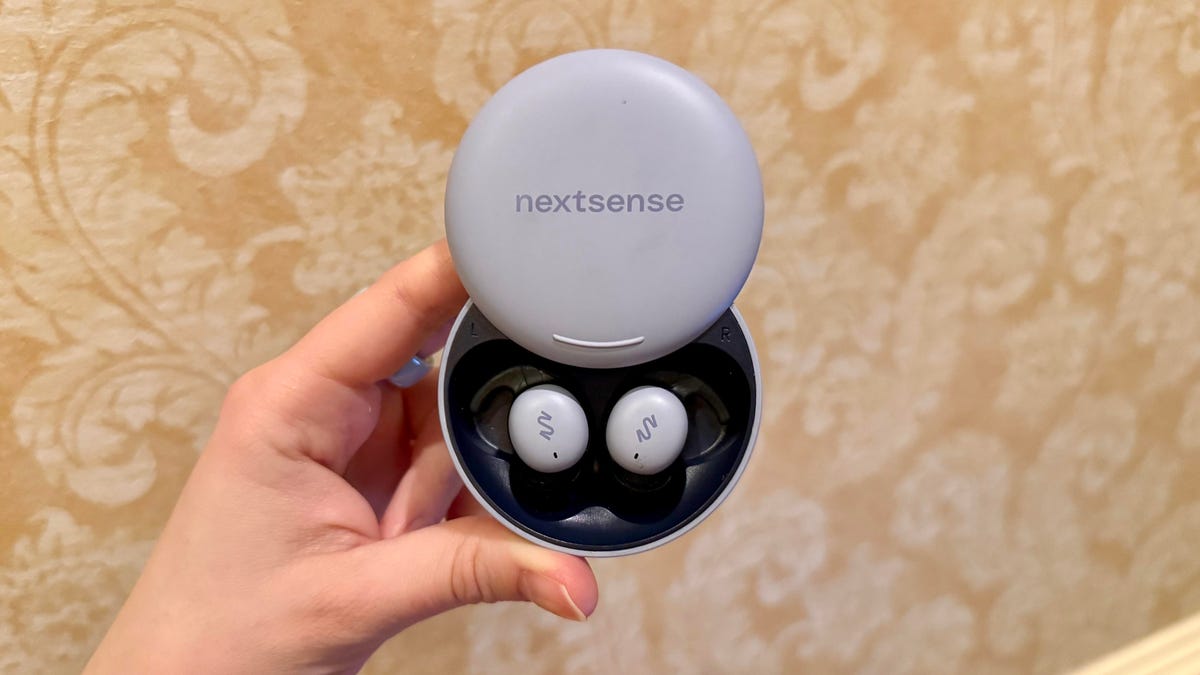
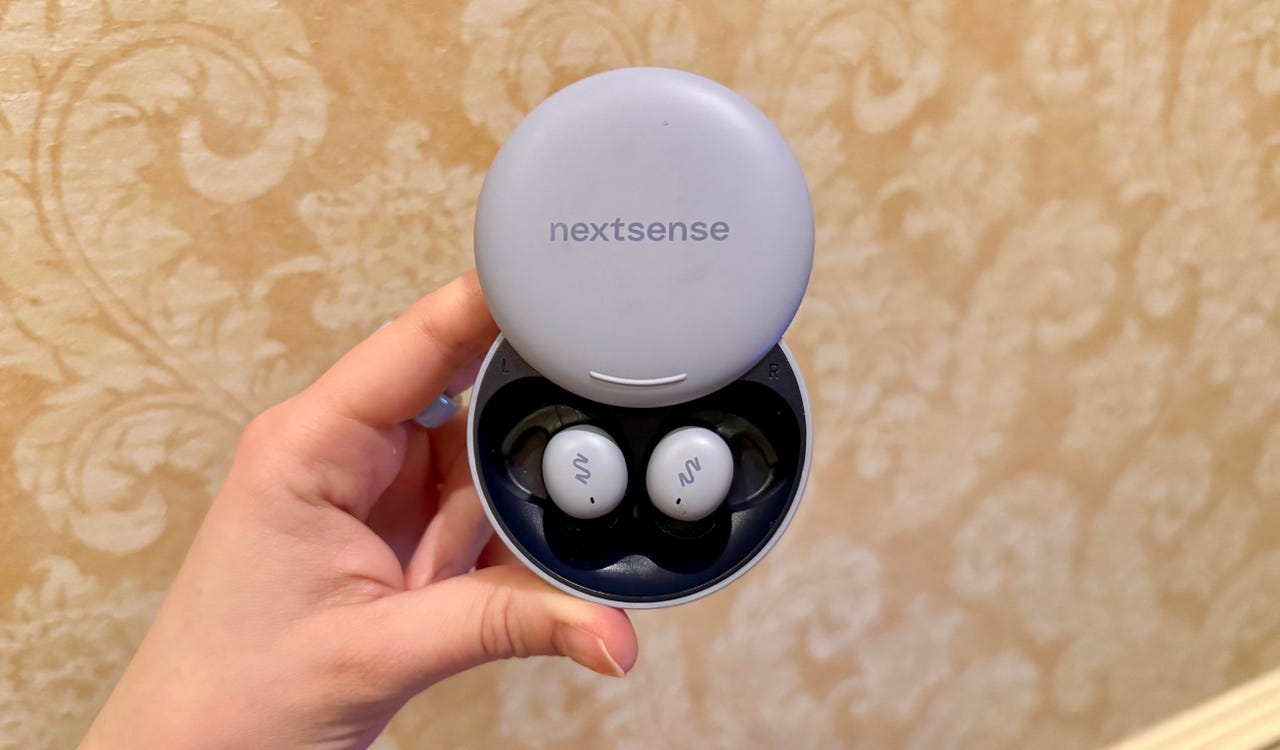
While we wait for the next-gen AirPods or Pixel Buds to incorporate brain-wave-sensing technology, one sleep earbud company is already integrating EEG technology into its new earbuds. I got a first look at NextSense’s new EEG Smartbuds, which monitor brain activity. “This is an interesting trend with clear momentum,” Khosravi told me. “That said, signal quality remains a key challenge, even in medical settings, along with interoperability and translating EEG data into insights that users can actually understand and act on.”
5. Hormone health takes center stage
Hormone health’s iron grip on the health and wellness space is expected to persist in 2026, driven by significant investment and development.
At-home hormone tests, like Eli Health’s cortisol, progesterone, and testosterone tests or Mira’s ovulation tracker, have exploded in popularity. These tests make hormone and fertility tracking accessible outside the doctor’s office, posing a useful integration opportunity for both wearable companies that track health data in apps and smart toilet companies that build sensors to collect and identify changes in hormone health.
Nina Raemont/ZDNET6. Is the vagus nerve the next big thing in wellness?
Health technology companies want to fix your life by fixing your vagus nerve. Stressed? Can’t sleep? Headache? Period cramps? Stimulate the vagus nerve, and you’ll be well on your way to a calm life, a restful slumber, a migraine-free existence, and even a cramp-free menstrual cycle — or so these companies say.
Also: This device could help make periods more comfortable
Vagus nerve stimulation devices can be implanted surgically for those with epilepsy, depression, or recovering from a stroke. The vagus nerve stimulating devices I saw at CES aren’t surgically implanted, however. Instead, they are worn near the ear and head to deliver pulses non-intrusively. OhmBody says its vagus nerve stimulator can help with menstrual period pain, and Pulsetto says its neckband can promote calmness.
7. Health tech is riding the high of high blood pressure
If your smartwatch or smart ring doesn’t have a hypertension feature right now, it just hasn’t gotten one yet. High blood pressure — aka hypertension — is a common condition that impacts nearly half of US adults, and many have not been formally diagnosed, according to the American Heart Association.
Also: Withings’ new smart scale gives you its most detailed reading yet
After Apple’s FDA-cleared Hypertension Detection feature arrived on the latest smartwatch models last fall, other brands came out with hypertension or blood pressure insight features of their own. Withings’ second-generation BodyScan smart scale arrived with a blood pressure risk feature at CES. While most of these devices can’t take by-the-minute readings — you’ll still need a good old-fashioned cuff for that — many of them can notify you of changes and deviations in blood pressure.