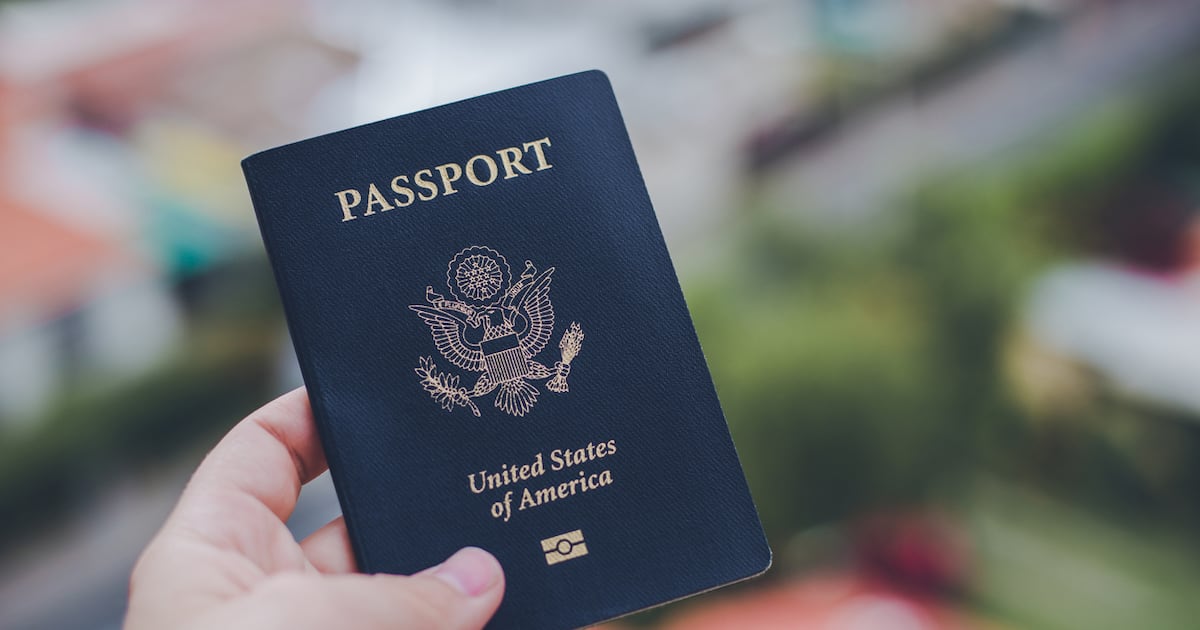
The number of US citizens seeking asylum in Ireland increased more than fourfold last year compared to 2024, new figures from the Department of Justice show.
Ninety-four US citizens sought asylum in Ireland in 2025, up from 22 the year before.
The number of asylum seekers from the US has continually increased since 2022 when just 13 people applied. There were 18 applicants in 2023.
When asked if any of the applicants have been granted asylum status, the Department of Justice said it does not provide detailed statistics on grant and refusal rates by nationality.
Outside of the asylum system, some 9,600 US citizens moved to Ireland in the 12 months to April 2025, which is nearly double the 4,900 who immigrated here in the previous 12 months, according to data from the Central Statistics Office.
According to 2025 polling from US research firm Gallup, a fifth of Americans said they would like to leave the US. This was higher among women aged 15 to 44, with 40 per cent saying they would move abroad permanently if they had the opportunity.
The figure is four times the 10 per cent who shared this desire in 2014. Politics is playing a role, the researchers said, as there was a 25-point gap in the desire to migrate between Americans who approve and those who disapprove of the country’s leadership.
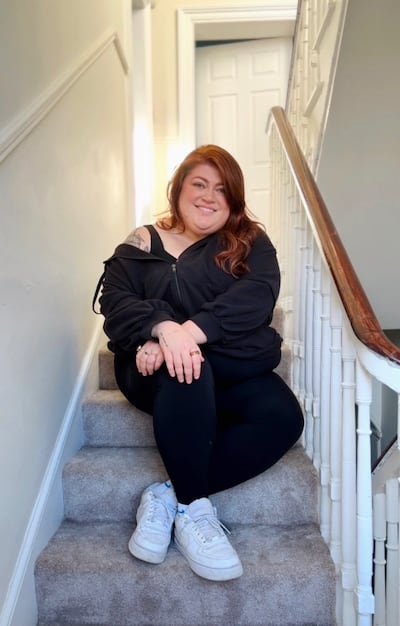 Kenzie Bray, from Iowa, who moved to Ireland on a visa and lives in Dún Laoghaire
Due to the political environment in the US, Kenzie Bray moved from there to Ireland on a visa, which is entirely separate to the asylum system.
Ms Bray (30s), originally from Iowa, was living and working as a make-up artist in Arizona, but she made Dún Laoghaire, in south Co Dublin, her home last October.
She began researching the possibility of a move abroad after Donald Trump was re-elected president of the US.
“As soon as the election happened, I said I was getting the hell out of here,” she said. Ireland stood out to her, as she had fallen “in love” with the country after visiting numerous times.
Ms Bray moved with her three dogs and a cat after an almost year-long process to secure her visa and find somewhere to live.
Her family are supporters of Mr Trump, but she felt her rights were “threatened” by the Trump administration, she said, adding that she is bisexual and has ADHD.
The “civil unrest” in America is “horrible”, she said, adding that she became “tired of it and scared”.
“The political climate there is bad, it’s all gaslighting and denying,” she said. In Ireland, she feels “sane again”.
[ Increase in US citizens applying for asylum here since Trump’s second termOpens in new window ]
She will not return to the US while the current administration is in office, she said, adding: “I’m boycotting the United States with the rest of the world.”
Wife and husband Katelyn and Ryan McLoughlin moved from North Carolina to Raheny, Dublin, in October of last year.
Mr McLoughlin realised a few years ago that he could get an Irish passport on account of his father being born in Belfast. Ms McLoughlin (30s) became entitled to a spouse visa.
The couple looked into moving to Ireland as a potential back-up plan or something they might do one day in the undefined future.
However, Ms McLoughlin said, the “political situation at home” over the past year nudged them to make the move, with the intention that it would be permanent.
“We took that leap and we’ve been really glad that we did,” she said, adding that the change has been “big” but “positive”.
The Trump administration was a “huge” reason for their emigration, said Ms McLoughlin, who works in clinical research.
“Especially in North Carolina, it’s a red state [Republican] … and it’s looking like that for the foreseeable future because of how the [electoral] maps are drawn,” she explained.
“That’s just antithetical to what we want in our future, for our lives,” she said.
Some of her loved ones who are transgender or immigrants to the US “may feel, especially over the past few weeks, that they’re in danger”, said Ms McLoughlin. She remains “very concerned” for her family back home.
“Our family that are in some of these targeted groups, I worry a lot about them,” she said, adding that her worries have been compounded by the recent killing of US citizen Renee Good by Immigration and Customs Enforcement (Ice) officials in Minneapolis last week.
[ Trump has a new justification for the shooting of Renee Good: disrespectOpens in new window ]
“I have family in that area, and that’s something that scares me a lot; the idea that somebody in my family could be in traffic and find themselves coming to harm is very, very concerning.
“There’s a little bit of, not to be dramatic, but survivor’s guilt of like, I’m here now and I’m out of that situation, but the people I love aren’t … I just consider us to be very lucky,” she said.