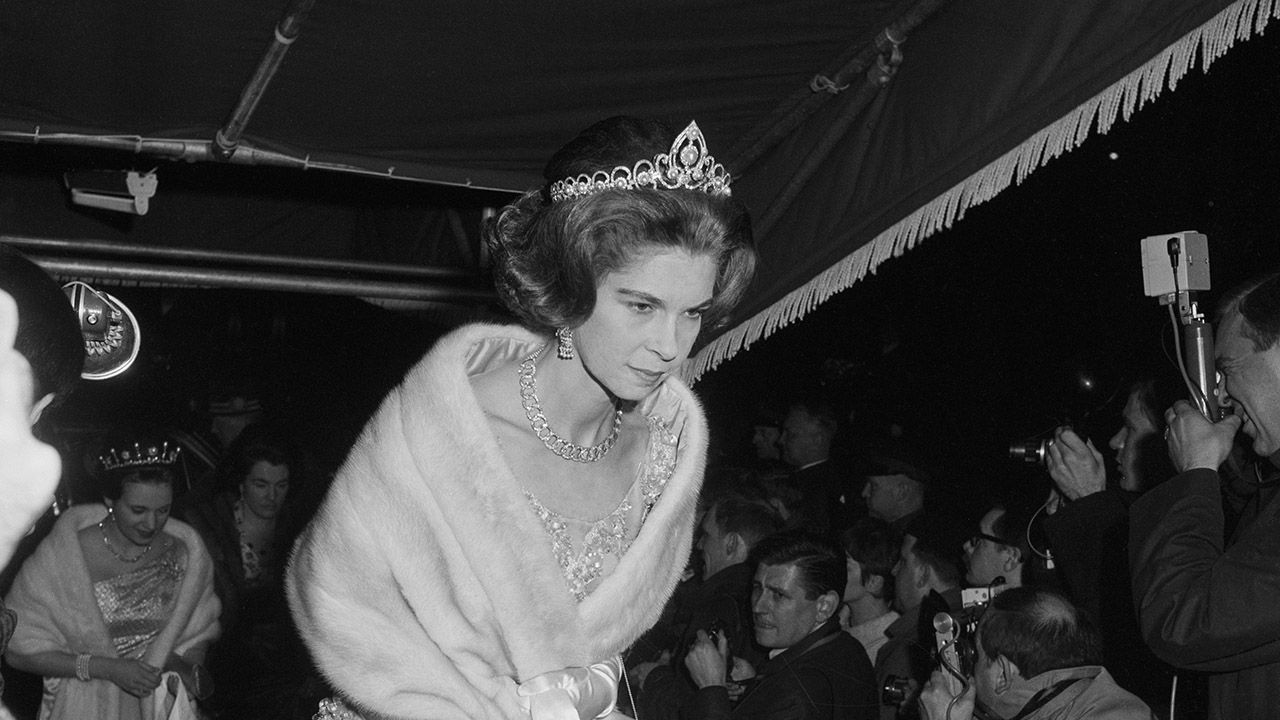
Growing up away from her home country, including a portion of her childhood spent in Egypt, her early years were marked by displacement, but, as she recalled to Eva Celada in her book, Irene of Greece: The Rebel Princess, it was also a time of great personal experience. A virtuosic pianist, she studied under Gina Bachauer, dubbed the ‘Queen of Pianists’, and played many concerts herself, including one at London‘s Royal Festival Hall.
Princess Irene also had a great passion for archaeology, which she shared with her sister. The pair joined eachother on excavations in the ancient village of Decelea, penning a series of books about their discoveries. The site is very near to the Royal Palace of Tatoi, which is where Irene’s parents and her brother, King Constantine, are buried.
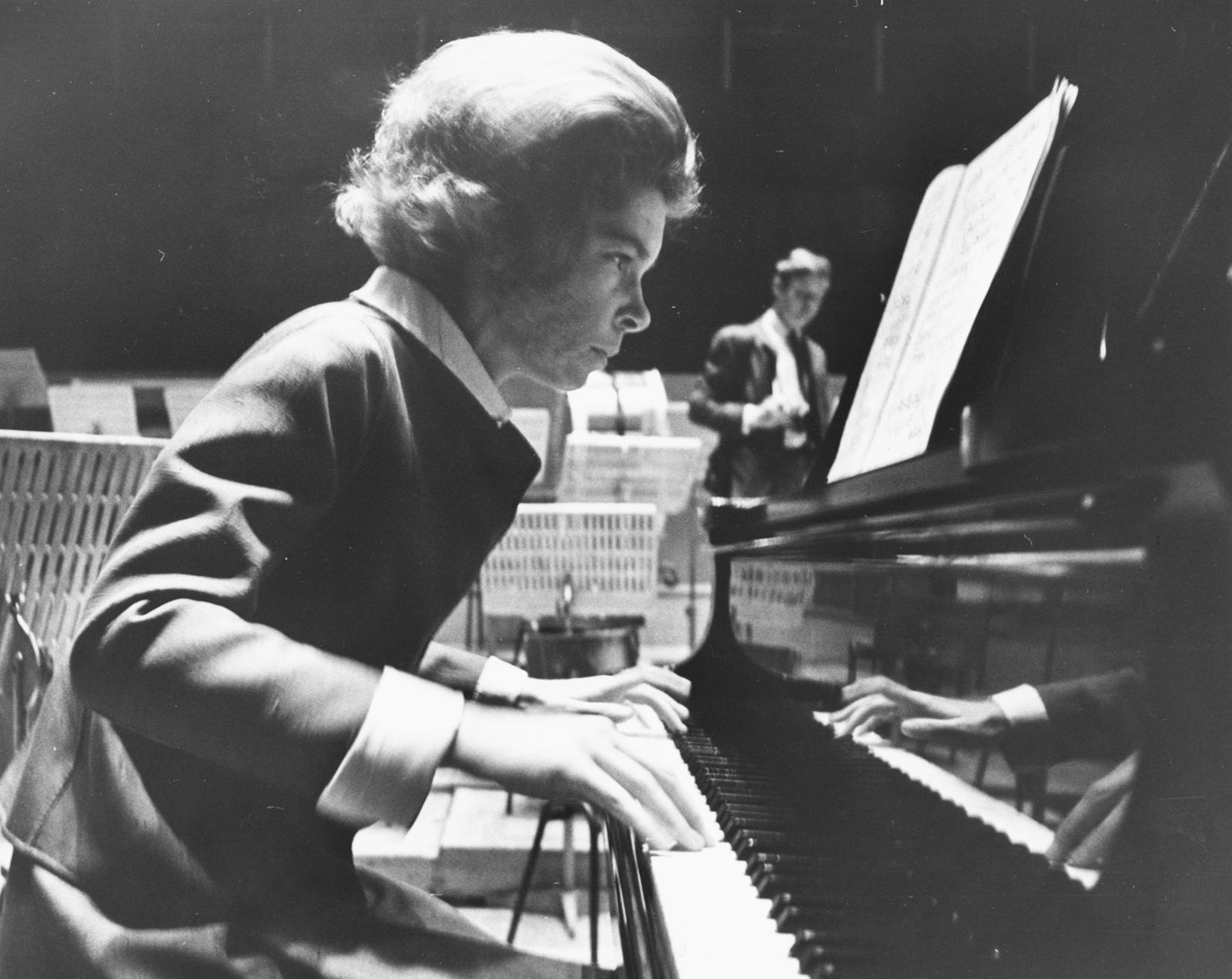
Princess Irene of Greece playing the piano during rehearsals for her debut at Royal Festival Hall in London, 1969
Central Press/Getty Images
Irene’s life changed in 1964, when her father, King Paul, died, making Constantine the King of Greece. In the period between Paul’s death and the birth of Constantine’s first son, Irene was known as the ‘Crown Princess of Greece’. Neither she nor Constantine’s son would ever hold the throne, however, as the Greek monarchy was overthrown in 1973, leaving the royal family in exile once more.