
While modern GLP-1 weight management drugs such as Ozempic, Wegovy, and Mounjaro represent a popular way to lose weight, a new study suggests that their effects don’t last long after patients have stopped using them. They suggest a close medical follow-up and nutritional follow-up in order to ensure long-term benefits.
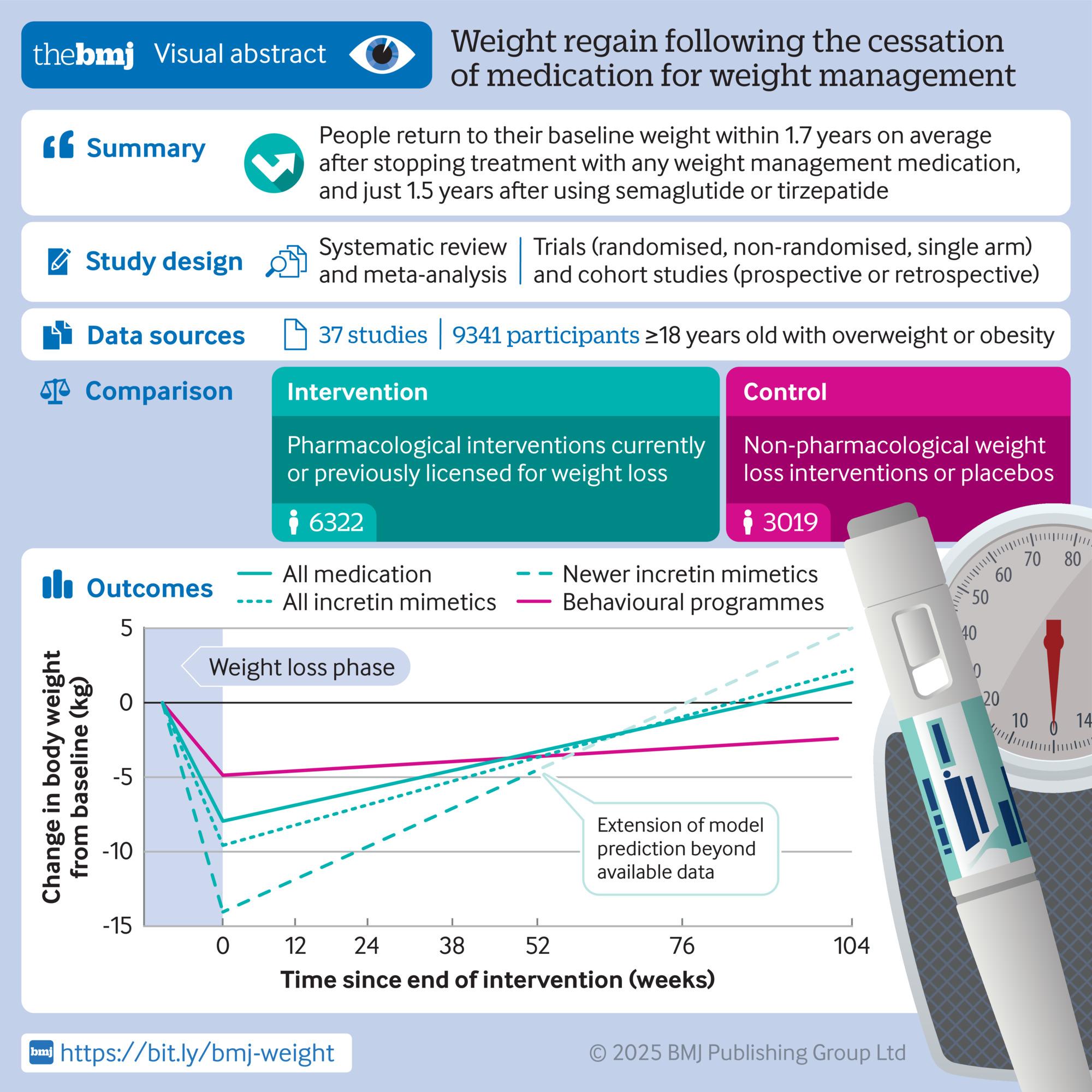
New scientific research from the University of Oxford, published in The BMJ journal, looked at the data of 37 previous studies involving 9341 participants in total in order to establish whether or not the effect of weight management drugs such as Ozempic, Wegovy, and Mounjaro (more specifically known as glucagon-like peptide-1 (GLP-1) receptor agonists) lasted once patients stopped taking them.
While originally designed for diabetes patients, the drugs, which mimic a hormone that reduces appetite and cravings, have turned into a popular way of losing weight, also among people who don’t suffer from diabetes.
 © West et al.
Back to normal
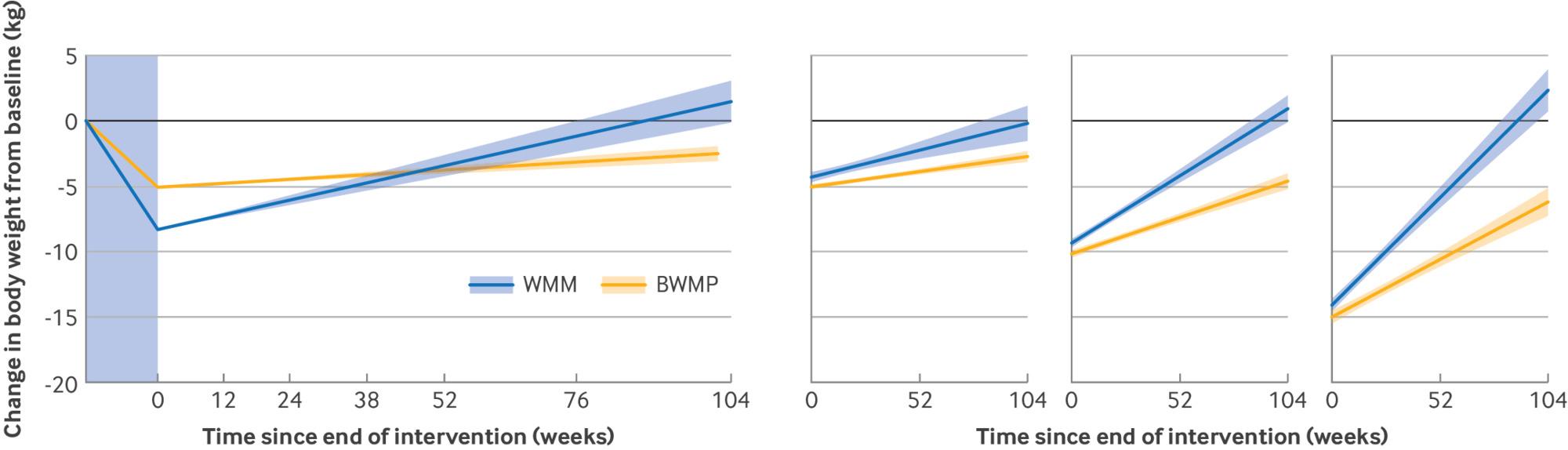
The results of the study suggest that those who stop taking their weight management drugs regain their original weight within an average of 1.7 years. More specifically, researchers found that weight was regained at a rate of 0.4kg per month. That rate is about four times as fast as those who lose weight by means of behavioural programmes, focusing on physical activity or diet instead of drugs.
“These medicines are transforming obesity treatment and can achieve important weight loss. However, our research shows that people tend to regain weight rapidly after stopping – faster than we see with behavioural programmes. This isn’t a failing of the medicines – it reflects the nature of obesity as a chronic, relapsing condition. It sounds a cautionary note for short-term use without a more comprehensive approach to long-term weight management, and highlights the importance of primary prevention”, Dr Sam West of the Nuffield Department of Primary Care Health Sciences at the University of Oxford told the British newspaper The Guardian.
 © West et al.
The scientists also found that the risk of developing health conditions associated with obesity, such as high blood pressure and cholesterol, also went back to pre-treatment levels within 1.4 years of stopping the weight management drugs.
“WMMs are associated with a reduction in weight and improvements in cardiometabolic health that are attenuated soon after treatment ends, with no evidence of benefit 1.7 years after the cessation of treatment. This evidence cautions against short-term use of WMMs, emphasises the need for further research into cost-effective strategies for long-term weight control, and reinforces the importance of primary prevention”, the study’s authors conclude.
Unlike medications aimed at lowering cholesterol, for example, most weight loss drugs aren’t meant for unlimited treatment. Most patients thus do stop taking them at some point and will therefore be confronted with a possible weight regain if they don’t enjoy a medical or nutritional follow-up. By combining the drugs with behavioural programmes, more long-term results could be obtained.