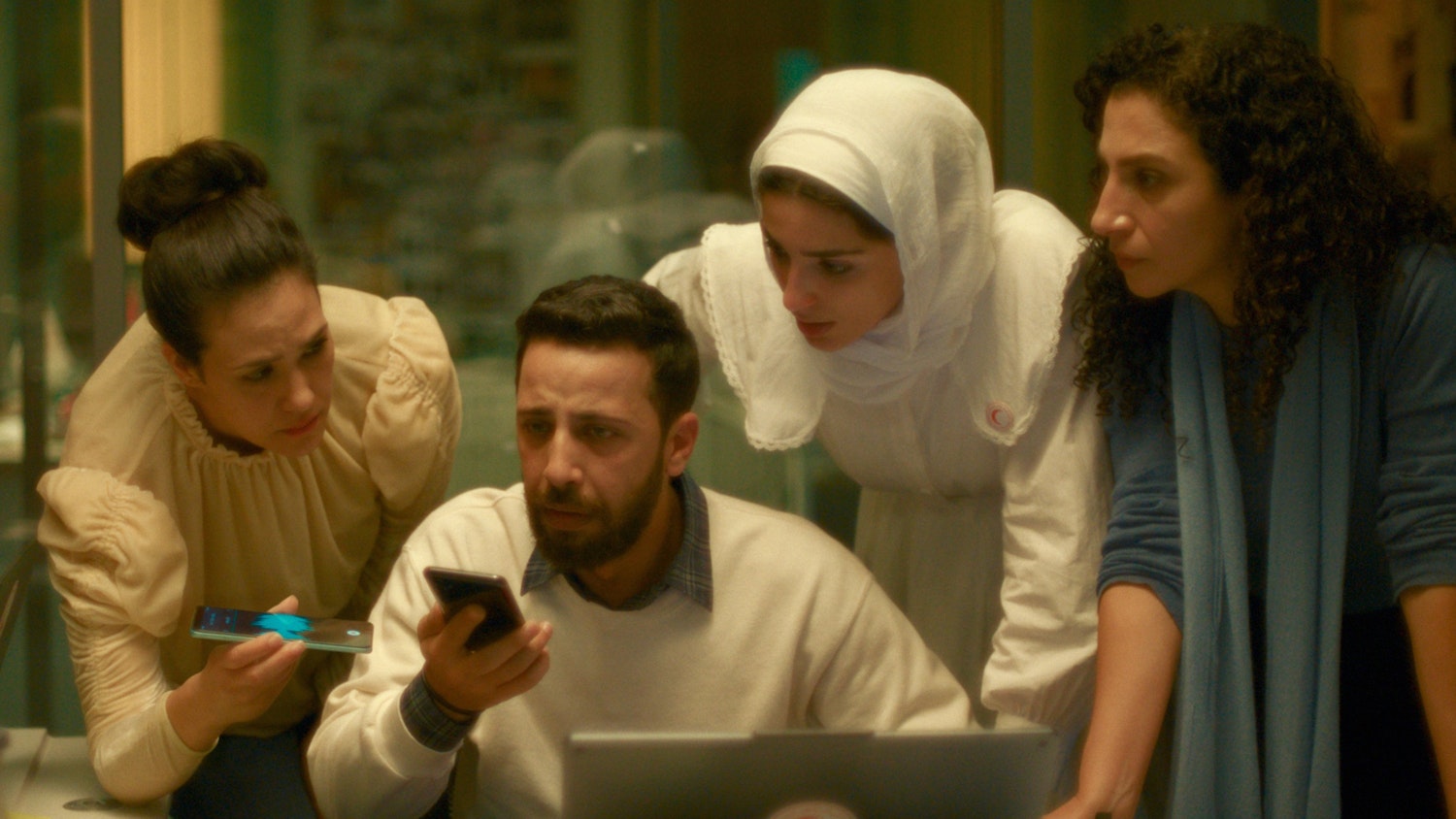
In Palestine, Red Crescent volunteers receive an emergency call from a five-year-old girl — and attempt to rescue her from an active warzone.
It is difficult to cast a critical eye on something so devastatingly, uncompromisingly real as The Voice Of Hind Rajab. It is a unique and incredibly timely docudrama of very recent history, blending actual audio recordings with a dramatised telling of real events. In January 2024, volunteers at the Red Crescent (equivalent to the Red Cross) received an emergency phone call from a young Palestinian girl in Gaza. Trapped in her car and with the sound of gunfire audible in the background, she pleaded for rescue. It is not a spoiler (a title card establishes the facts of the story at the beginning of the film) to say that their efforts are ultimately unsuccessful. That is what this film is: listening in detail to the last desperate moments of a five-year-old girl’s life.
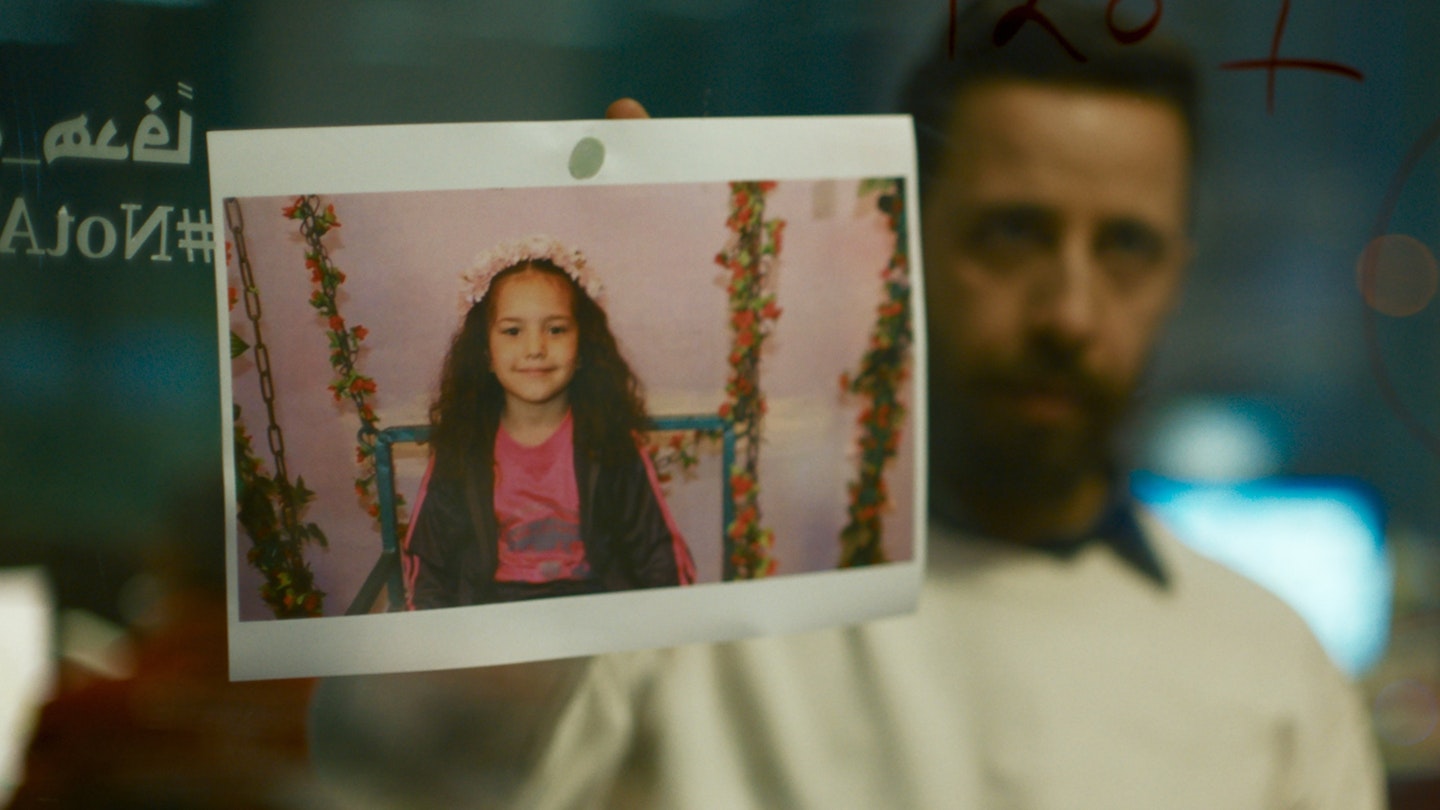
Clips of Rajab’s tiny, terrified voice went viral shortly after her death, a single story from countless similar ones in Israel’s brutal assault on Gaza since the October 7, 2023 attack by Hamas, which has seen over 18,000 children killed by Israeli forces. Tunisian filmmaker Kaouther Ben Hania, who was nominated for an Oscar for 2020’s The Man Who Sold His Skin, has the correct instinct not to dramatise Rajab herself, instead adopting a minimalist approach. The film is entirely set in the West Bank offices of the Red Crescent, as emergency operators comfort this scared little girl while frantically wading through the quicksands of bureaucracy.
A film that deserves, demands, insists to be seen.
With Rajab’s real voice playing opposite actors — Ben Hania obtained 70 minutes of audio — emotions run high almost immediately. The nightmare only mounts as it becomes clear she is trapped in her car surrounded by the bodies of her family, the only survivor of an unprovoked attack. At times, it plays like a real-life horror film; at others, it is a tense thriller, as the team sweatily and impatiently attempt to find a safe path for an ambulance, negotiating a route with the Israeli army via various complex intermediaries.
There are occasional filmmaking choices that you could question: one scene, which blends real-life videos of the operators with the events being dramatised, draws a little too much attention to the recreation, rather than the story. Tonally, the filmmakers also — quite reasonably — feel that nuance is not a tool required for this story. It is not quiet or subtle. The sheer emotional toil of watching such a drama requires a lot. Not everyone will have the constitution.
But this is a film that deserves, demands, insists to be seen. It plays as an important historical document of what a UN commission has called a genocide, a testament to what happened to thousands of innocent children, and a challenge to us all. Hind Rajab had a voice. Are we willing to listen to it?
About as powerful as cinema gets. Its hybrid blend of documentary audio and devastating dramatisation is heart-wrenchingly, shatteringly effective.