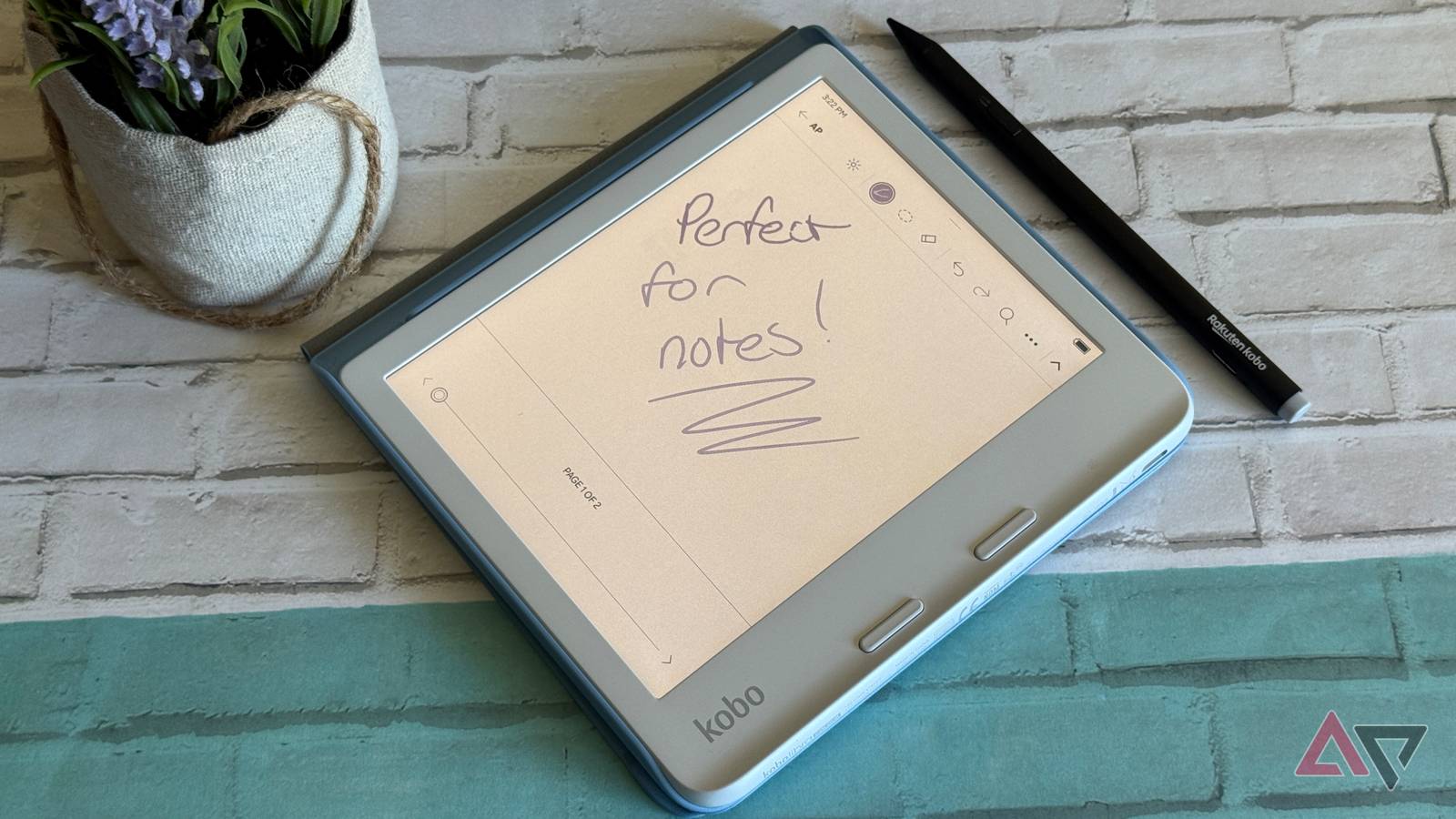
I’m not a prodigious note taker. I note things down occasionally, when I need to make sure I remember to do various tasks I know I’ll forget about otherwise.
Hearing about how others seemingly note things down constantly always comes as a bit of a surprise.
Yet, nothing really prepared me for the sheer number of products designed around note-taking at CES 2026. Naturally, they all employ AI to make sure not a golden word is missed.
It raises the question, exactly how many note-taking devices do we really need, and isn’t all this just one, lazy, almost shameless attempt to tie us into yet another subscription plan?
Let’s see.
Related
I saw hundreds of gadgets at CES 2026, but I made only one purchase
I’m excited for more Pebble devices, and you should be too
Note-taking, life-logging, and transcription
Those trusty AI staples
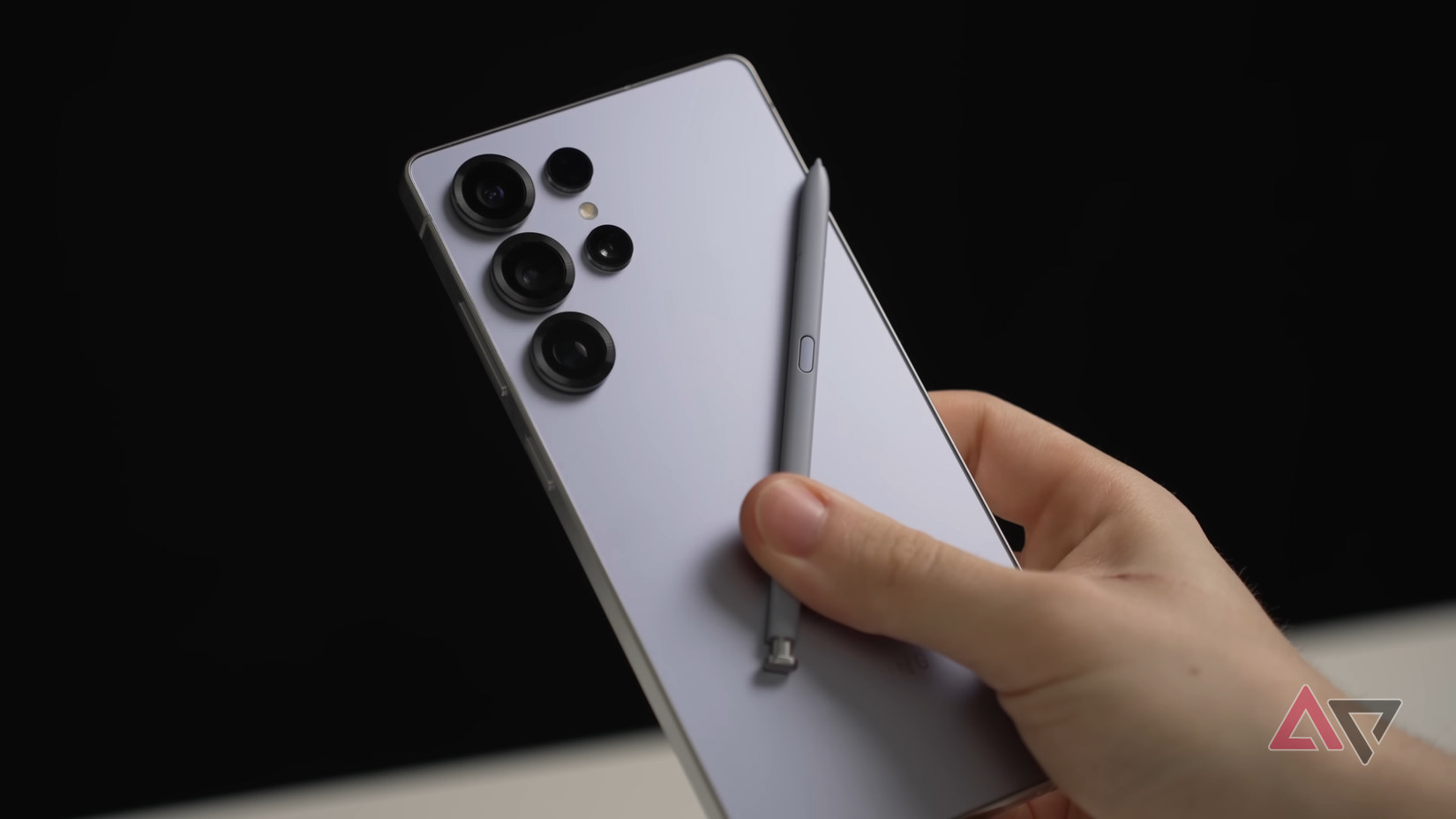
Since AI started appearing on smartphones, tools based around transcription and summarization have been a staple and likely a fairly low-effort feature.
Putting these same features inside a simple standalone product makes good business sense, especially for brands keen to position themselves as “leaders” in AI.
Companies know there’s only so much space for a note-taking app or product, so they often choose to describe functionality in different ways, despite it being mostly the same.
Note-taking, meeting transcription, life-logging, memory aids, thought tracking, or idea organization are all just variations on the same theme.
It all comes down to recording or logging your thoughts and conversations just in case they’re needed later on.
Professionally, I find tools that do this quite handy sometimes. Still, the voice recorder or notes app on my phone of choice does the job perfectly well, and Google Gemini’s transcription feature is very reliable.
At CES 2026, there were at least 10 AI-enabled wearables ready to ensure that not one single word of wisdom that passes my lips, or from the lips of those around me, ever gets lost or forgotten to time again.
What a relief, but at what cost?
Almost too many to list
And definitely too many to care about
The Plaud NotePin S is an excellent starting point.
The company is already known for AI note-taking products, and the NotePin S is a lozenge-shaped pin you wear as a necklace or clipped to your clothes so that it can take notes for you.
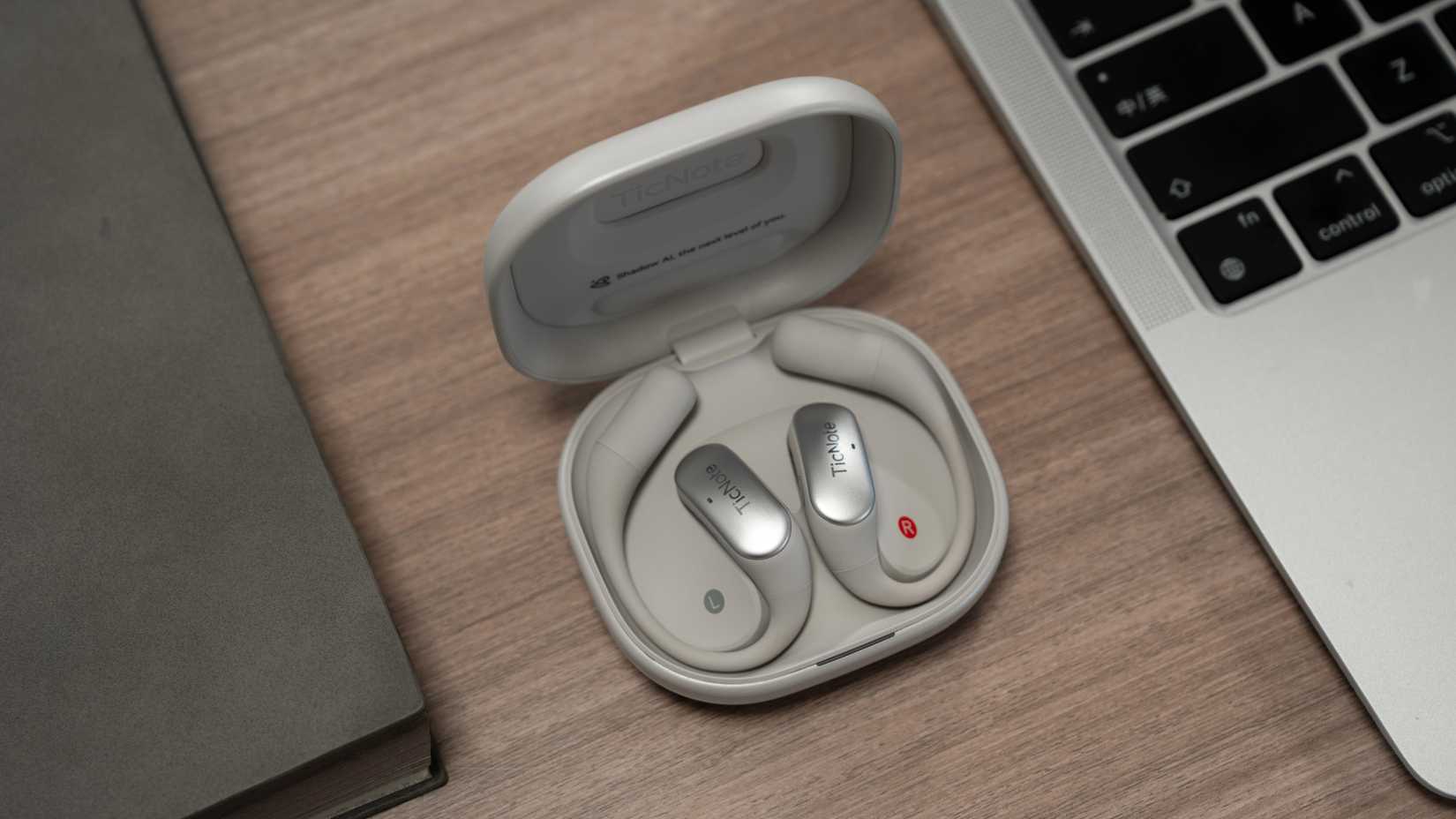
Mobvoi has also spread its wings into AI note-taking, and arrived at CES with a new AI recorder, AI note-taking earbuds, and an AI note-taking smartwatch.
Credit: Mobvoi
Flowtica, without any irony, puts its AI note-taking features inside a pen called the Scribe, where, in addition to actually writing your notes, an array of microphones inside it records voice notes and conversations.
The Vocci Ring comes from the same stable as the Halliday Smart Glasses (which also have an AI note-taking feature) and records notes at the push of a button.
Pebble’s Index 01 avoids AI, but its one and only feature is to record very short voice notes.
Xgimi’s MemoMind One smartglasses provide note-taking and summarization, the TransAI Note transcribes and summarizes meetings, the SwitchBot MindClip is a wearable microphone to record conversations, and the Looki L1 takes it all to the next level by including life-logging features.
I’m not done yet, either.
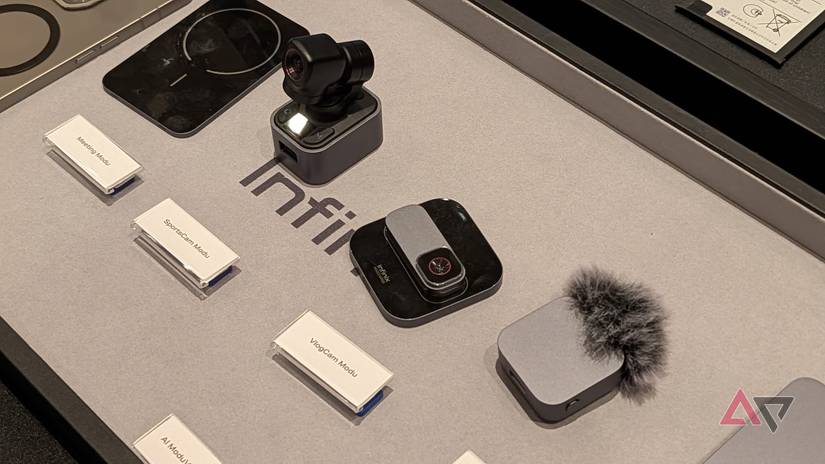
Phone maker Infinix showed a modular phone with AI-backed add-ons that included a microphone for note-taking, TCL took on Amazon and reMarkable with the Note A1 Nxtpaper and a host of AI note-related features inside, and Omi showed off its AI pendant that, you’ve guessed it, offers voice transcription and summarization.
Notes are expensive
Wallets ready
Credit: Lucas Gouveia / Android Police | Yalcin Sonat / Shutterstock
I’ve only listed wearable note-taking devices announced for CES 2026.
So all these join the many products already available to take notes, along with the various apps and services like NotebookLM you could use, and AI note-taking/reminder features included with smartphones from Samsung, OnePlus, Nothing, and many more.
Why so many? Money, but not necessarily for the products, although none are cheap.
The majority of the devices mentioned above come with a subscription service, and this is where we begin to see why brands are so keen on these low-effort products, as most are about to get expensive.
For unlimited use of the $180 Plaud NotePin S, you’ll pay $20 per month.
Mobvoi’s unlimited Business AI package is $30 per month, while Flowtica’s Scribe AI pen will cost nearly $390 with only one year’s unlimited access to its AI features.
Looki will charge up to $10 per month for all its features, while Omi’s unlimited plan is $200 per year.
Don’t expect others to be free either.
Vocci hasn’t talked about prices for its smart ring, but the Halliday Glasses have a subscription package attached. Xgimi, SwitchBot, or Infinix haven’t talked about costs at all.
I’d be shocked if none had some kind of AI subscription package.
The TransAI Note does not require a subscription but will cost $700 if you miss the Kickstarter early bird deals.
TCL doesn’t appear to be charging a subscription over the $650 (outside of Kickstarter early bird deals) Note A1 Nxtpaper. That’s a lot of money just to take notes.
Only the Pebble Index 01 appears to have decent value, as it doesn’t have a subscription and only costs $80.
Pearls of wisdom
Don’t rush to spend more

Taking and saving notes using some gadget infused with AI is an expensive endeavor, but at least you have dozens of products to choose from, should you consider all your thoughts and words to be worth saving.
I know I’m poking fun at the note-taking obsession a little here, but I’m not diminishing the value of taking notes in general.
It’s the subscription-heavy products that have emerged around it that I find distasteful.
Understanding how notes help with organizing information short-term, rather than turning note-taking into a glorified journal, may help anyone considering whether an expensive subscription is really worth it.
I found this Hacker News thread during my research, and the insights into the difference between notes and note-taking are very enlightening.
Additionally, this Harvard piece advising students that low-tech note-taking systems can be more effective for knowledge retention than high-tech ones will likely be something many CES exhibitors would rather ignore.
A deeper understanding of what you really want to keep, and why, may reveal that the cheapest option, such as the Pebble Index 01, works best.
All of which brings me back, full circle, to the simple tools we all have on our phones today, or just a pen and paper, being absolutely fine for general use.
Sadly, CES 2026 did little to take away the distinct whiff of a shameless money grab from the world of high-tech, AI-enhanced note-taking.