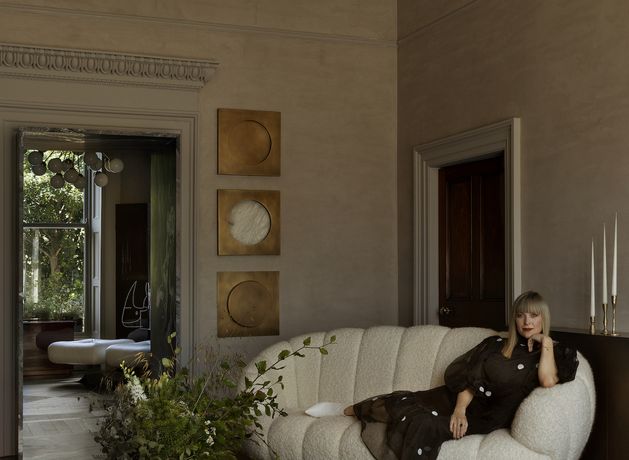
Darren Kennedy gathers some expert tips from interior designer Róisín Lafferty
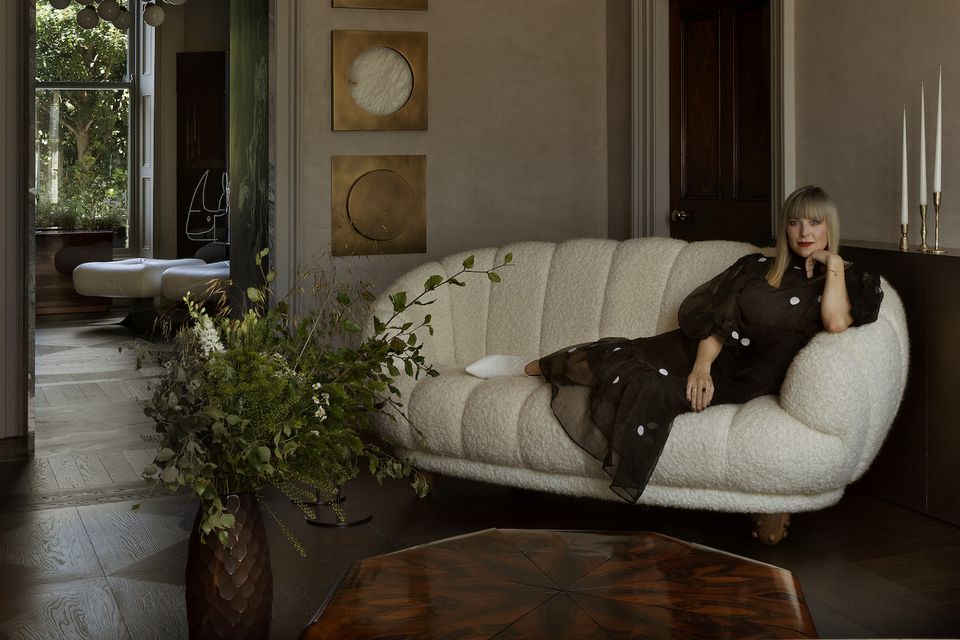
Róisín Lafferty on her white bouclé Bryan O’Sullivan croissant sofa. Photo: Barbara Corsico
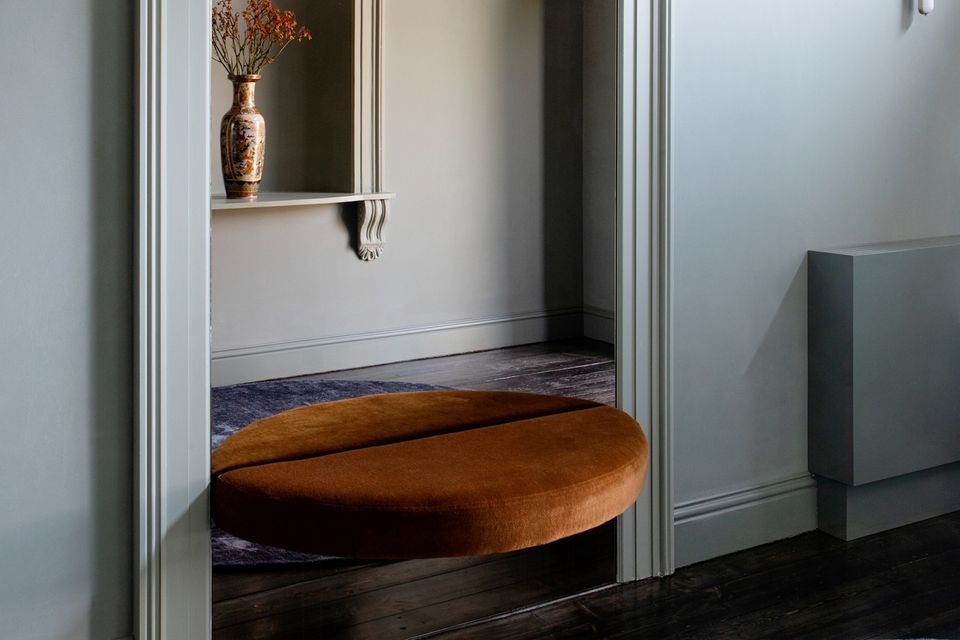
Hall by Kingston Lafferty Design. Photo: Ruth Maria Murphy


Victorian homes can feel both exhilarating and intimidating. They come with grandeur, craftsmanship and layers of history, but also a quiet pressure to “do the right thing”. To help strike that balance between past and present, I spoke to interior designer Róisín Lafferty.
“Victorian houses already give you so much to work with,” Lafferty says. “Ornate cornicing, ceiling roses, high ceilings, sash windows, sweeping staircases. The key is to celebrate those elements rather than compete with them.” Colour, she believes, is one of the most powerful tools you have. “Bold colour isn’t the enemy of heritage,” she explains. “When it’s used with intention, it actually frames the architecture and allows it to shine.”
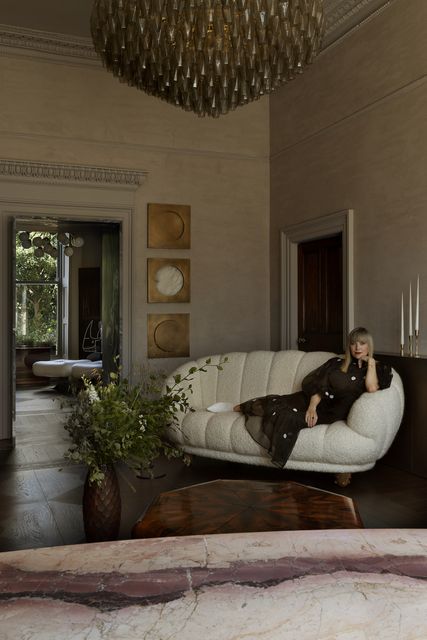
Róisín Lafferty on her white bouclé Bryan O’Sullivan croissant sofa. Photo: Barbara Corsico
The entrance hall is where she often encourages clients to be bravest. “It’s the first emotional moment of the home. Painting both walls and ceiling in a confident tone draws the eye upward and immediately honours the scale.”
In one Dublin project, she used a rich, enveloping shade to wrap the hall and created a dramatic backdrop for a Murano glass chandelier. A deeper tone grounded the staircase, while original tiles were enhanced by surrounding colours. “When the palette feels cohesive, original features feel elevated, not lost.”

Hall by Kingston Lafferty Design. Photo: Ruth Maria Murphy
In living areas, she advises letting the architecture lead every decision. “Joinery should follow the rhythm of the coving, not cut across it.” Fireplaces can be refreshed with new tiles or softly reworked with a custom arch. A continuous colour across walls and built-ins can create what she calls “a cocooning effect”, allowing texture, art and furniture to layer naturally on top. Flooring plays a bigger role than people realise. In another Victorian residence Lafferty worked on, original timber floors were stained darker to accentuate the grain. “It grounds the space and adds a sense of authenticity and depth. It feels sophisticated without feeling new for the sake of it.”
Bedrooms are where she often introduces drama in a quieter way. “I love taking colour onto the ceiling in Victorian bedrooms. It draws attention to the cornicing and medallions, and makes the room feel considered rather than decorated.” Painting window frames to match the ceiling heightens the effect, while tall, elegant headboards work with the room’s proportions. Light is often the final piece of the puzzle. “Many Victorian homes are darker at ground level so relocating main living spaces upstairs can completely change how the house feels.” Mirrors placed in kitchen or dining alcoves help bounce light and visually connect interiors to the garden.
And those Victorian nooks? “They’re not awkward,” she smiles. “They’re opportunities.” A hallway alcove becomes a seating nook and a stained-glass landing becomes a reading spot. “Every arch and corner has potential. A Victorian home should feel timeless, but it should also feel alive.”