In theory, I use social media solely to promote my work. In practice, I check it addictively. Even knowing it is a time-sink, I sit and scroll through aspirational interiors, influencers with filtered-to-perfection skin and occasionally interesting posts from people I like.
I have ceded many hours, probably days, to these platforms that give so little and take so much.
2025 was a tough year in my life, and I used my phone as respite from the hard things happening around me. I half-read news articles and flicked between apps. When I had to put my phone down, I listened to podcasts in the shower and audiobooks while going to sleep.
It’s no great revelation that smartphones pull us away from our immediate surroundings and the people closest to us, rendering us, as the American sociologist Sherry Turkle puts it, “forever elsewhere”.
They are “experience blockers” according to Jonathan Haidt, author of The Anxious Generation: How the Great Rewiring of Childhood Is Causing an Epidemic of Mental Illness, the book that led to Australia’s recent ban on social media for under-16s.
These are heavy condemnations from big thinkers. But when life is hard, a portable experience-blocker that can transport you elsewhere can be difficult to resist.
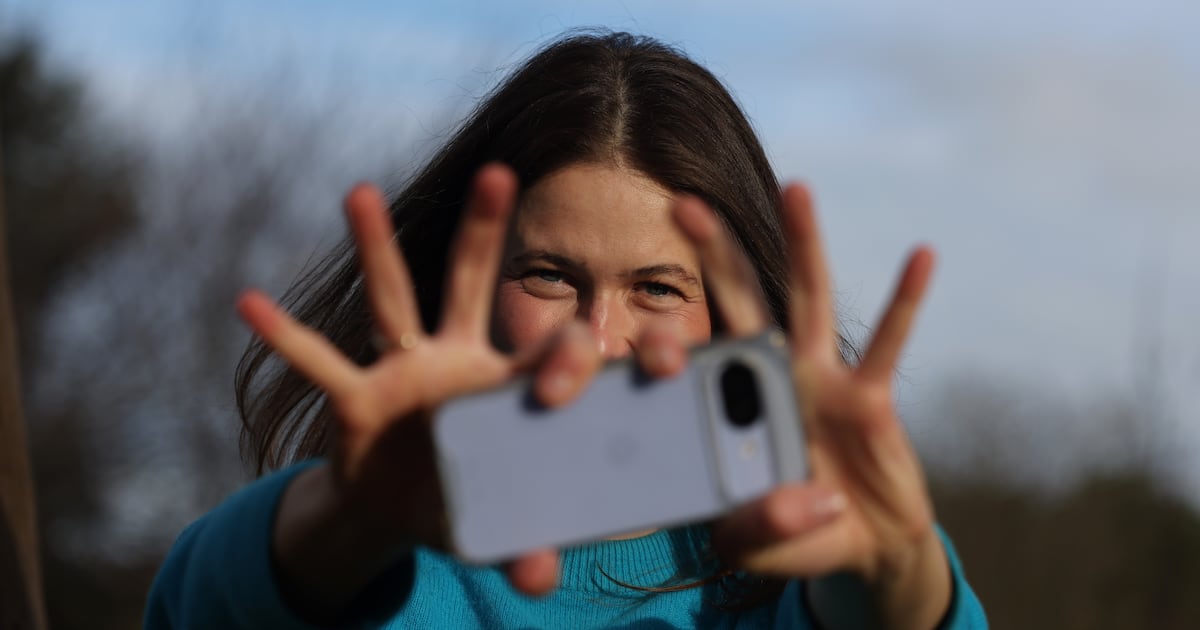
 Rosanna Cooney is starting a digital de-cluttering. Photo: Bryan O’Brien / The Irish
It’s become clear to me, though, that the more moments and conversations I fragment by checking my phone, the less capable I am of fully engaging with the good moments and coming through the bad. I want to know who I can be without the crutch of my phone, without using a screen to shield myself from discomfort or boredom.
For the next four weeks, I’m removing all non-essential technology from my life. I’m calling it my Free Four.
Non-essential for me means everything that doesn’t directly relate to work or being contactable by family and friends. No Netflix, Spotify, Instagram, Twitter, Reddit, LinkedIn or YouTube. No scrolling before bed. No giving in to the twitching urge to refresh and check social feeds, skim news stories or use podcasts as background noise.
[ 25 ways to get off your screens: from analogue kits to freedom phonesOpens in new window ]
My phone will be limited to calls and texts. My computer, which is necessary for work, will be the only device through which I can access email and WhatsApp.
The idea of a four-week detox, or digital decluttering, has been recommended by multiple academics, including Cal Newport, professor of computer science at Georgetown University and the author of the 2017 bestseller Digital Minimalism.
Newport’s research found that people who commit to staying off non-essential technology for four weeks are more likely to succeed if they plan what they will replace their screentime with.
I’m going to read, write, swim and learn to play more than one chord on the guitar, among other things.
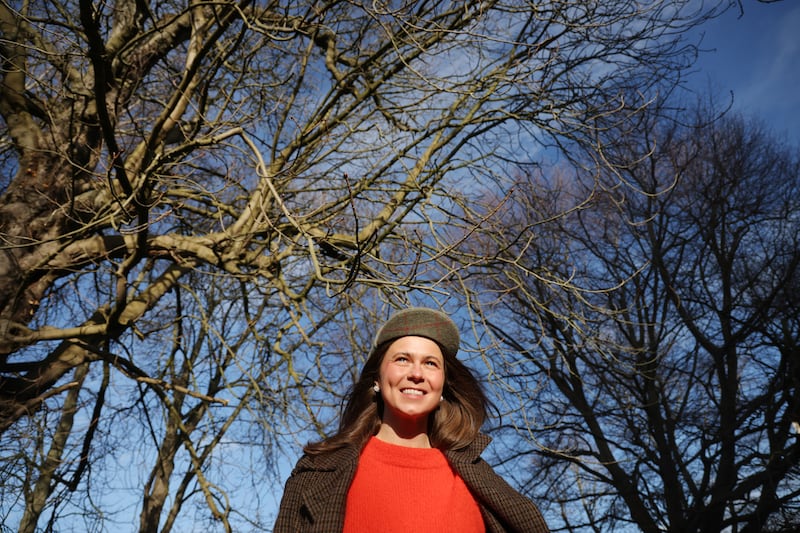 Rosanna Cooney is facing into a four week digital detox. Photo: Bryan O’Brien / The Irish Times
At the end of the month, I’ll assess what value has been lost by what I’ve cut out, what I want to add back in and how I’m going to do it.
If this sounds appealing, join me. Decide what counts as essential technology in your own life. Unshackle yourself from the rest. Do your own Free Four.
I’ll be writing about my own experiences for The Irish Times, and at the end of the month, we’ll also be asking readers to tell us about theirs, too.
It’s likely there is more to gain than to lose by trying.