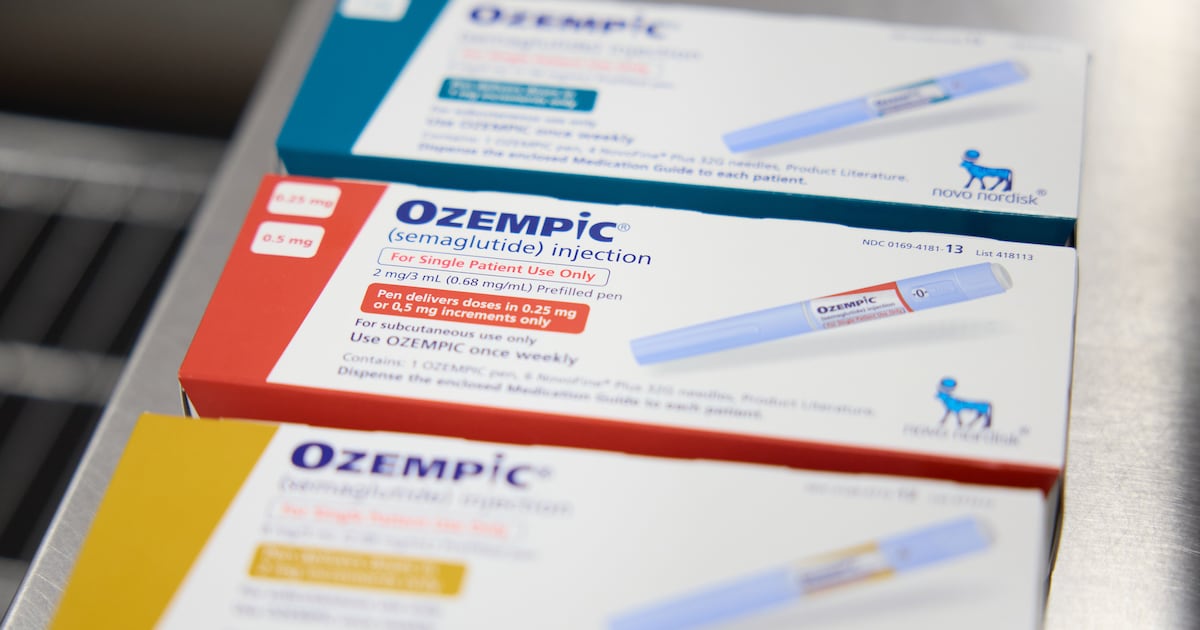
The potential ripple effect of the health revolution that is Ozempic is difficult to overstate. For starters, it is likely new jobs that help communities adapt to a healthier lifestyle will emerge, governments will have more money to spend on treating other diseases, and even dating apps and other social groups will be likely to thrive as a new wave of healthy and confident users seek out partners.
But amid this positivity, there will be a cost. Like making a bargain with a sorcerer who conjures up a powerful potion granting eternal youth or happiness, these lost pounds will have unforeseen consequences. Some social advances that have been made in recent decades are likely to come under threat, while the industries that promise to make people more beautiful may find themselves revitalised.
In 2017, the world seemed to fall out of love with plastic surgery. Doctors who specialised in butt implants, chin reconstructions, and facelifts saw ebbing demand for their services. The poor state of the economy in the years following the 2008 financial crash may seem like an obvious reason that people were less willing to spend thousands of dollars and risk going under the knife to pump up their breasts with silicone shells or shave off part of their noses and jaw lines.
But there was also a powerful shift occurring in society; companies and advertisers had spent the previous decade telling their customers to embrace their imperfections. Following a remarkable sea change from the “aspirational beauty” marketing strategy in the industry, suddenly there was money to be made from not making customers feel bad about themselves, their choices and their appearance on a daily basis.
It had been 15 years since Unilever’s Silvia Lagnado had shocked the consumer giant’s executives by showing them videos of their daughters dissecting their bodies and highlighting a multitude of perceived flaws and imperfections. The highly successful Dove campaign that followed in the early 2000s that featured larger, healthier-looking women across a spectrum of ethnic groups, shamed the beauty, cosmetic and fashion industries into embracing a more achievable idea of health.
The view that female beauty was defined by being white and ultra thin was finally shattered and women began to respond more positively to their own bodies. By 2017, the year before Ozempic was launched in the US market, celebrities like Hilary Duff and Demi Lovato were being praised for posting pictures celebrating their imperfections and encouraging their fans to do the same. Retailers and fashion brands responded by having a wider variety of sizes available in their stores and featuring plus-size models wearing their clothes on their websites.
In early 2018, as endocrinologists and other doctors around the US began prescribing the little-known but seemingly effective diabetes drug to their patients, they inadvertently set in motion a reversal of that body positivity love-in. As the weight loss benefits of the diabetes medication became more apparent and the catchy jingle “Oh, oh, oh, Ozempic” went around and around in people’s heads, the public conversation around weight, body acceptance and diversity shifted.
People who began taking the drugs were often awed by their power to transform their bodies and finally make them thin. They could suddenly be the size they had long dreamed of. And as their weight rapidly declined, vanity took over. As many paraded their “Ozempic body” and “Ozempic face” to their thousands of Instagram and TikTok followers, they began pointing out their flaws, suggesting various nips and tucks they could embark on to get the ultimate body. Plastic surgeons were now back in business.
A typical consultation begins with a marker. Plastic surgeons like the one Sophia Porter went to identify and highlight with an antiseptic marker the areas of the body that will be cut, pulled, or shaved. Porter wanted to remove the excess skin around her waist and buttocks, and to fill out her sunken cheekbones. She was experiencing “Ozempic face”, a condition where a person’s cheeks appear hollow, sagging and gaunt as a result of fast weight loss – one of the unwelcome side effects of these medications.
While already-wealthy surgeons line their pockets, this resurgence of plastic surgery will have lasting consequences for society
In a surprising twist, GLP-1 drugs are now creating the widest possible pool of customers for plastic surgeons. Historically, obese patients were not suitable candidates for a host of procedures because the disease heightens the risk of bad reactions to anesthesia, infections, slower wound healing and even blood clots post-surgery. But now these doctors can prescribe weight loss medications to patients and then charge patients to fix their cosmetic problems with liposuction and tummy tucks once they’ve slimmed down.
In 2023, the most recent year for which data is available, non-invasive procedures like Botox and dermal fillers, the latter of which can restore volume in a person’s cheeks and give the appearance of greater elasticity, were the most popular.
Body lifts are also booming among patients looking to remove excess skin. A lower body lift tackles issues around the stomach, waist, hips, thighs and buttocks. A surgeon will typically charge around $11,000 (€9,400) to make an incision around the body, removing an apron of excess skin and fat.
But while already-wealthy surgeons line their pockets, this resurgence of plastic surgery will have lasting consequences for society. The heightened focus on fixing all of one’s perceived flaws will reverse the advances that had been made around body image and beauty. It may also contribute to a resurgence of eating disorders and other mental health issues.
The pandemic already created a tinderbox of mental health issues in young people. Hospitalisations for conditions like anorexia and bulimia spiked, and the popularity and availability of such an effective weight-loss medication could make it easier for people who want to aggressively restrict their eating to do so. Studies have shown that over half of people with eating disorders have misused laxatives at some point during their illness to lose weight.
Anne Becker’s research on eating disorders in remote societies in Fiji showed us that merely by watching Western television that featured ultra-thin celebrities, women who had never before engaged in disordered eating were purging, sometimes daily, to bring their weight down. These studies suggest that if celebrity culture once again champions, celebrates and displays a vision of beauty that is mainly thin, it can have a detrimental impact on eating disorders and the overall mental health of women and men.
This widening gulf between thin and rich and poor and overweight will deepen the divide between both classes and races
In 2023, it once again appeared to be acceptable to joke about thinness becoming the ultimate prize. Late-night talkshow host Jimmy Kimmel kicked off the Academy Awards with a topical joke. “When I look around at this room, I can’t help but wonder, ‘is Ozempic right for me?’.” Less than two years later, Golden Globes host Nikki Glaser trotted out an almost identical gag. It was “Ozempic’s biggest night,” she quipped.
These jokes needed little explanation. The comedians were surveying a room full of ultra-thin celebrities and assuming that a large proportion of them were taking a weight-loss medication intended for people suffering from clinical obesity or type 2 diabetes. For years, tabloids and social media users have been speculating about which celebrities were taking “Vitamin O”. Serial dieter and Weight Watchers ambassador Oprah Winfrey admitted taking the drug, as have countless other stars and business leaders like Tesla boss Elon Musk.
The effectiveness of weight-loss medications, especially if they continue to improve, means that anyone who wants to be thin and has the resources to pay over $1,000 a month out of pocket can attain the body they have always dreamed of with the click of an injectable pen, while poorer people who are already more prone to struggle with weight issues and obesity are likely to become even more stigmatised.
Meanwhile, many food manufacturers will pursue these poorer customers who do not have the means to arm themselves with the GLP-1 drugs that seem to act as an antidote to highly processed and addictive meals. And if the wealthier people who have more political power feel that their children are getting healthier, and if childhood obesity levels decline in this group, poorer citizens will have fewer people fighting in their corner seeking healthy alternatives or calling out food deserts in inner cities.
This widening gulf between thin and rich and poor and overweight will deepen the divide between both classes and races when it comes to health and happiness. It seems inevitable that greater supplies of these drugs and new varieties will drive down their cost in the future, but that may take years. In the meantime, companies will have few incentives to continue championing the virtues of body positivity and can slide back to their old ways of celebrating an unattainable version of femininity and beauty.
It took decades for the body positivity movement to gain momentum and attract the kinds of voices that forced big, powerful industries to change. The next generation will have to navigate this new world that is far less accepting of different shapes and sizes. Younger children born into larger bodies will be the ultimate casualty of the death of a movement that was created to make them feel more confident and accepted. But they are the very people that drug companies and doctors are trying to target next.
Off the Scales: The Inside Story of Ozempic and the Race to Cure Obesity by Aimee Donnellan is published by 4th Estate on January 15th