As temperatures plummet, rats attempt to infiltrate homes in search of warmth. – but pest control experts have revealed a simple household ingredient that may help keep them at bay this winter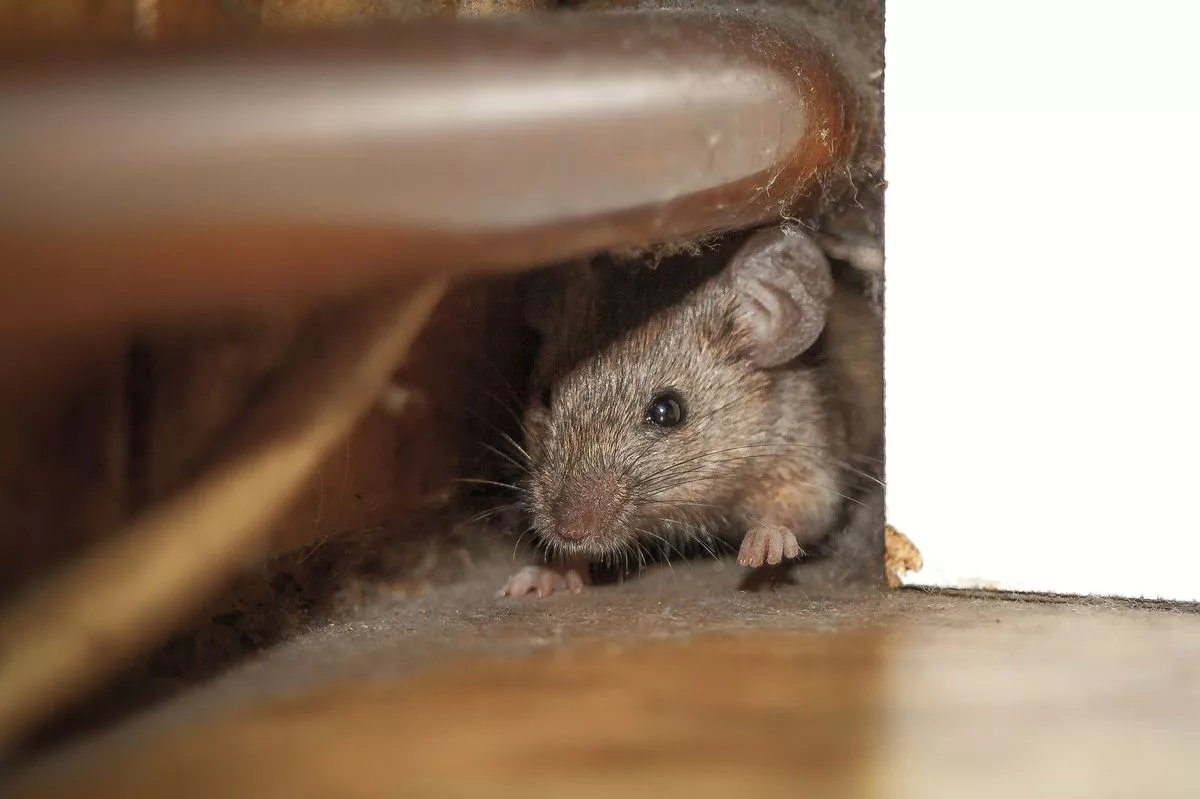
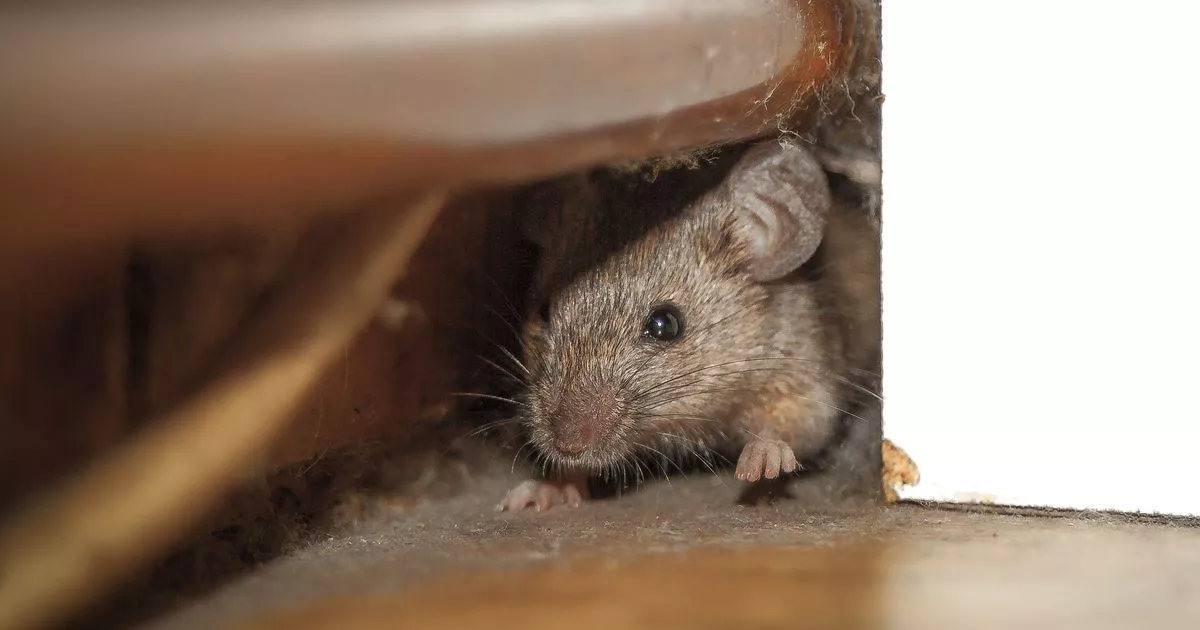
As the weather gets colder, rodents like mice and rats start searching for warm shelter, which can lead them to try to enter your home – stock photo(Image: )
The prospect of rats invading one’s home is hardly appealing, yet these unwanted guests are especially likely to appear in January. As the mercury drops, these rodents seek to infiltrate properties in their quest for warmth and food.
However, pest control experts at Rentokil have revealed that a simple household item could be instrumental in deterring them this month. By placing it in key locations around your garden, you may be able to keep rats away throughout the winter months, or at the very least prevent them from entering your home during the coldest part of the year, making this guidance particularly valuable.
This isn’t the only approach worth trying this month, either. Specialists have previously pointed out how another common household product can act as a powerful deterrent when used outside.
The topic garnered attention on Reddit after one user asked: “Tips on how to repel rats from your property? I found rat activity in my garage a few weeks ago. Cleared everything out, filled the holes with foam and set eight traps.

Rats can enter people’s homes in January (stock image)(Image: Wirestock via Getty Images)
“So far, no activity since then in the garage; however, because they can’t access the garage, they’ve been getting into the trunks and cabs of everyone’s cars. I’m super worried they’ll cause major damage to our vehicles. So, I’m wondering is there any way to attempt to repel them from coming on the property?”
Among the responses, one contributor recommended: “Your best bet is to make sure there is no food source on your property and exclude any entry points. They will look elsewhere.”
Another person proposed: “Peppermint oil. They hate it.”
One commenter also noted: “In short, there is nothing you can do to keep them away from your property. They’re animals that live outside and, as long as your property remains outside, you will always have to deal with wildlife.”
However, there is a simple solution available to help deter them, as detailed by pest control experts Rentokil in their online guidance.
What does Rentokil say?
The website states: “The strong, acidic aroma of vinegar is another effective rat deterrent. White vinegar or apple cider vinegar diluted with water can be sprayed or wiped around potential entry points.

A simple kitchen ingredient can deter pests from your garden(Image: Ian_Redding via Getty Images)
“Damp can exacerbate odours, and vinegar can help to neutralise existing rat smells. This is especially useful in damp cellars or sheds where rats are often drawn. However, vinegar’s effectiveness is temporary and needs frequent reapplication. Furthermore, it might not be suitable for all surfaces, as it can damage certain materials.”
How does it work?
White vinegar functions as an effective rat repellent due to its potent, acidic scent which overwhelms their senses and disrupts their ability to navigate. The method can be applied in two ways.
Households can concoct a solution by mixing equal parts of white vinegar and water in a spray bottle, then applying it to susceptible areas such as doorways, windows and garden entrances. Alternatively, you could also use cotton balls soaked in undiluted white vinegar and place them in hidden spots like under appliances, behind bins or in corners where you’ve noticed signs of rats.
However, it’s crucial to remember that this is merely a deterrent, reports the Mirror. For optimal results, the ingredient should be used in conjunction with physical barriers (steel mesh) to monitor and block entry points.
Always test areas before using the spray, as acid can damage certain surfaces. If you suspect you have a rat infestation, you should always consult a pest control expert for advice.
They will provide the best guidance on how to resolve the issue.
Subscribe to our newsletter for the latest news from the Irish Mirror direct to your inbox: Sign up here.