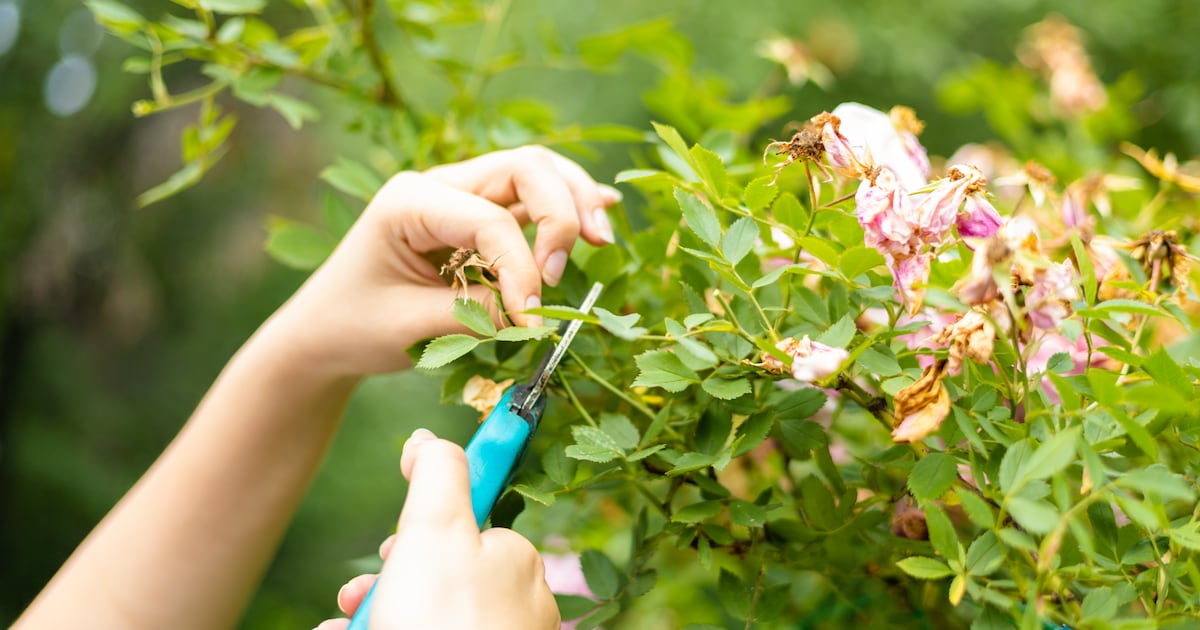
Some of my rose bushes are still in leaf as a result of the mild weather we’ve has this winter, while a couple are even flowering. Is it still okay to prune them, or will I damage them by doing so?
Siobhan H, Dublin
Prior to Christmas, when you sent this query, we had had an exceptionally mild, wet start to winter, with few frosty nights or chilly days. As a result, many roses have been slow to settle into their normal cycle of winter dormancy in milder parts of the country, while some are, as you say, even continuing to flower intermittently.
This makes traditional late winter pruning more challenging in terms of timing. Ideally, the plants should be pruned when they’re not in active growth to avoid encouraging the production of new, soft, sappy growth that would then be vulnerable to late frost damage. Common rose diseases such as blackspot are also less active in cold weather – another good reason to hold off pruning your plants until the temperature drops to more seasonal norms.
The good news is that there’s still plenty of time. Ideally aim to finish pruning by the middle of February (early March in colder parts of the country), using a sharp secateurs or loppers to remove all dead, damaged or diseased wood. The question of how much you should prune back any remaining healthy branches depends on the kind of rose.
[ Make the cut: the right way to prune rosesOpens in new window ]
For specific advice, see rhs.org.uk. Come mid-March, it’s also a very good idea to mulch around the base of the plant with a generous layer of homemade compost or well-rotted manure plus a few handfuls of a good quality, slow-release, organic pelleted fertiliser, keeping these out of direct contact with the stems.
In the meantime, I’d suggest nipping out and binning any flowers or flower buds to help support the health and vigour of your rose plants, until they become winter dormant. It’s also a good idea to handpick/collect and then bin or burn any fallen leaves as well as any remaining on the plants that look clearly diseased (examples include obvious blotching, dark marks or fungal growth).