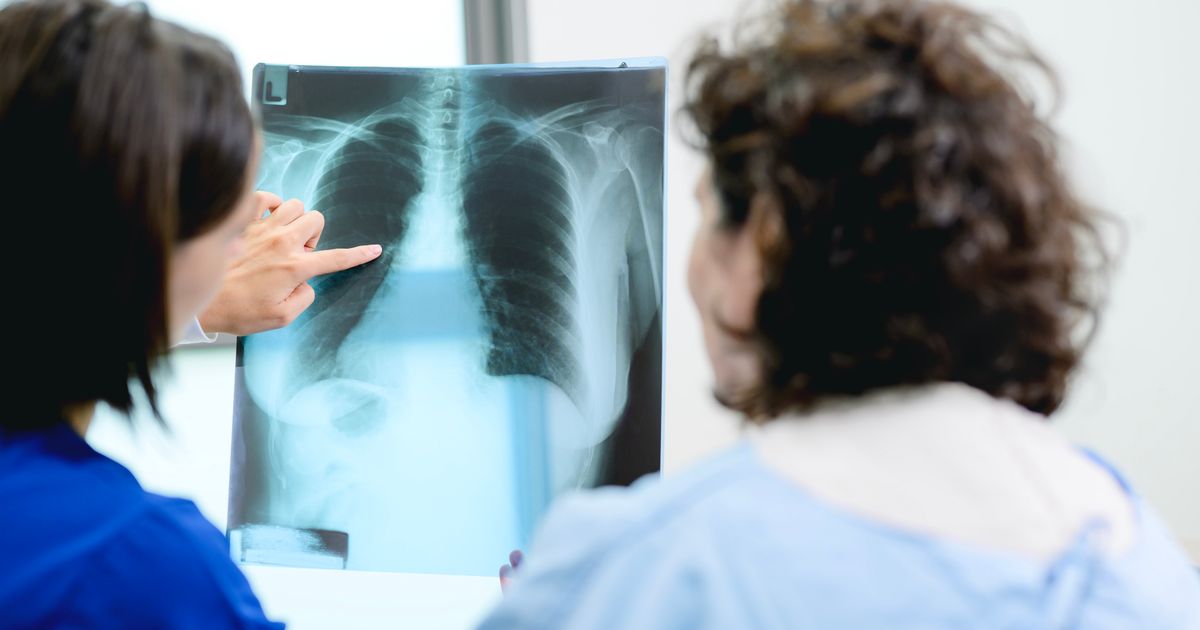
The pioneering intivie has been hailed as a major step forward for lung cancer care in Ireland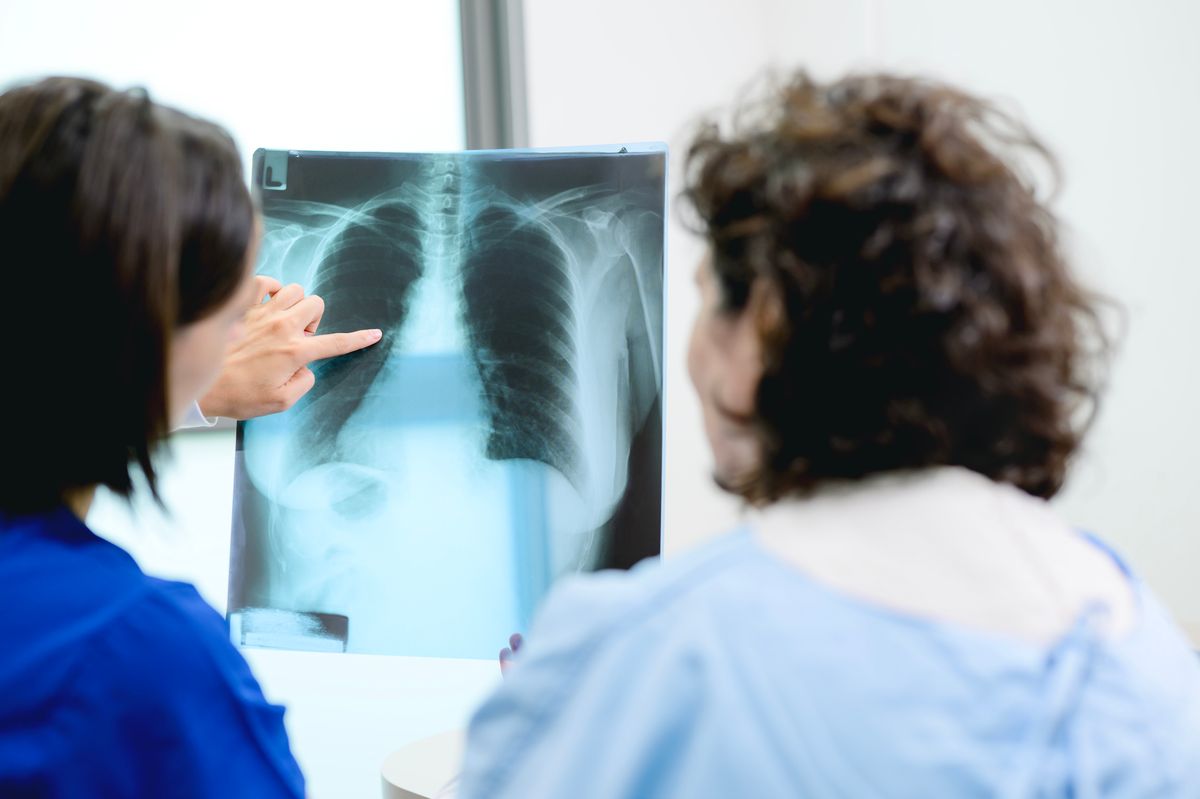
In Ireland, around 60 per cent of people diagnosed with lung cancer are detected at a later stage, when treatment options are more limited – stock photo(Image: )
The first curative surgeries have taken place connected to a groundbreaking new initiative which has led to patients with lung cancer being diagnosed at an earlier, treatable stage after having no symptoms.
The Beaumont RCSI Irish Cancer Society Lung Health Check is a first-of-its-kind pilot clinical trial in Ireland and involves the use of mobile scanning units with the aim of detecting lung cancer cases earlier and saving lives.
This clinical trial, which was conducted in collaboration with specific GP practices in North Dublin and the North East region, invited individuals at a high risk of developing lung cancer to attend community-based mobile scanning units for lung health checks.
This initiative is part of the €4.9 million Beaumont RCSI Irish Cancer Society Lung Outreach Programme, the largest single investment in lung cancer in Ireland’s history.
Lung cancer is the leading cause of cancer-related deaths in Ireland, claiming more lives than breast, prostate, and colorectal cancer combined. Early detection is key to improving survival rates, and this initiative is designed to identify lung cancer and other lung conditions before symptoms appear.
Currently, 6 in every 10 lung cancer diagnoses are detected at late stage, when it is harder to treat.
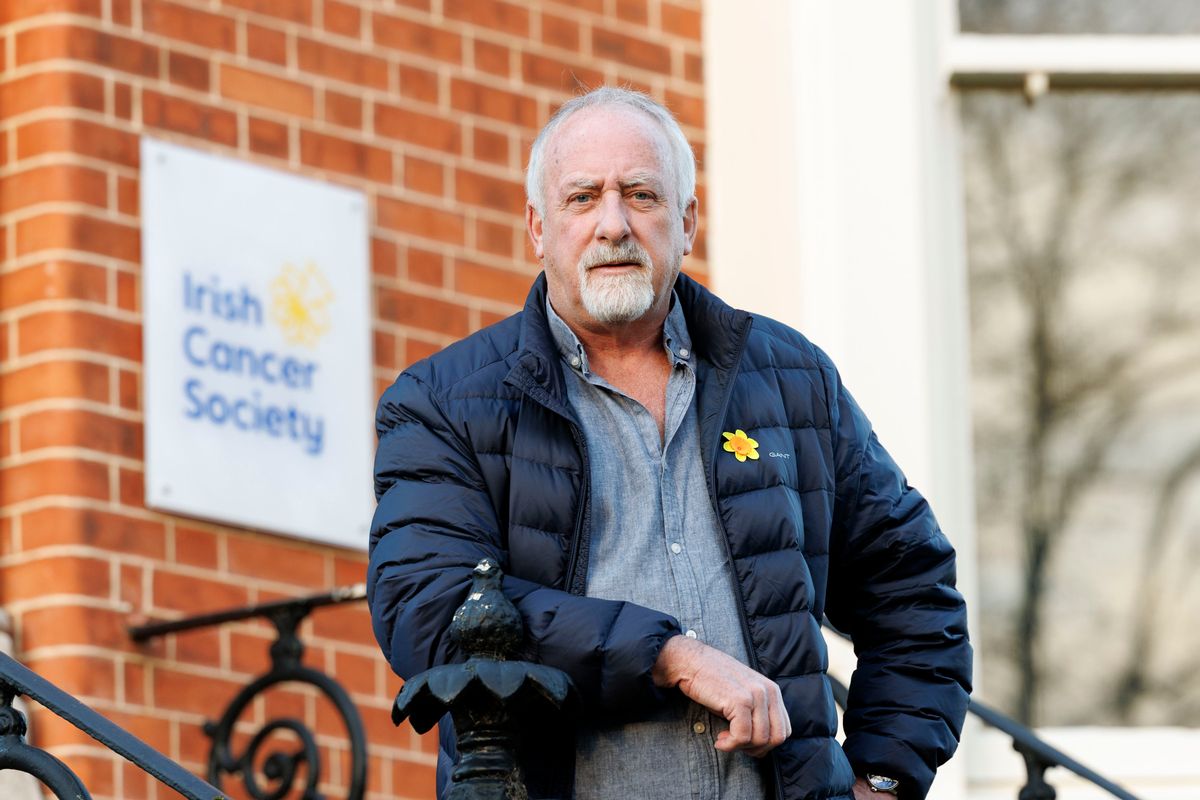
Paul Guinee (63) from Sutton, Dublin, underwent one of the first curative lung cancer surgeries connected to the groundbreaking €4.9 million Lung Health Check pilot programme(Image: Andres Poveda Photography)
The pilot clinical trial focused on high-risk individuals, particularly current or former smokers. One of those patients who underwent curative lung cancer surgery via the Lung Health Check pilot is Paul Guinee, 63, from Sutton, Dublin, who was invited to take part in the pilot earlier this year.
Paul, who recently retired, said he had “no issues” and “didn’t think there was anything wrong” before receiving an unexpected call inviting him for a CT scan.
“I had assumed it was because of my history of smoking, so I thought it was probably a good idea to attend,” said Paul.
Paul was told he would need surgery, and he went on to have a robotic operation on October 20, following a pre-assessment on October 17.
“It was a lengthy surgery — around seven hours — and very professional,” said Paul. “They were very happy with it. It hadn’t spread anywhere else. They got it at a stage where they could do something about it.”
Paul, who required no further treatment, said the process from first scan to surgery was “extremely positive” and praised the organisation of the pathway.
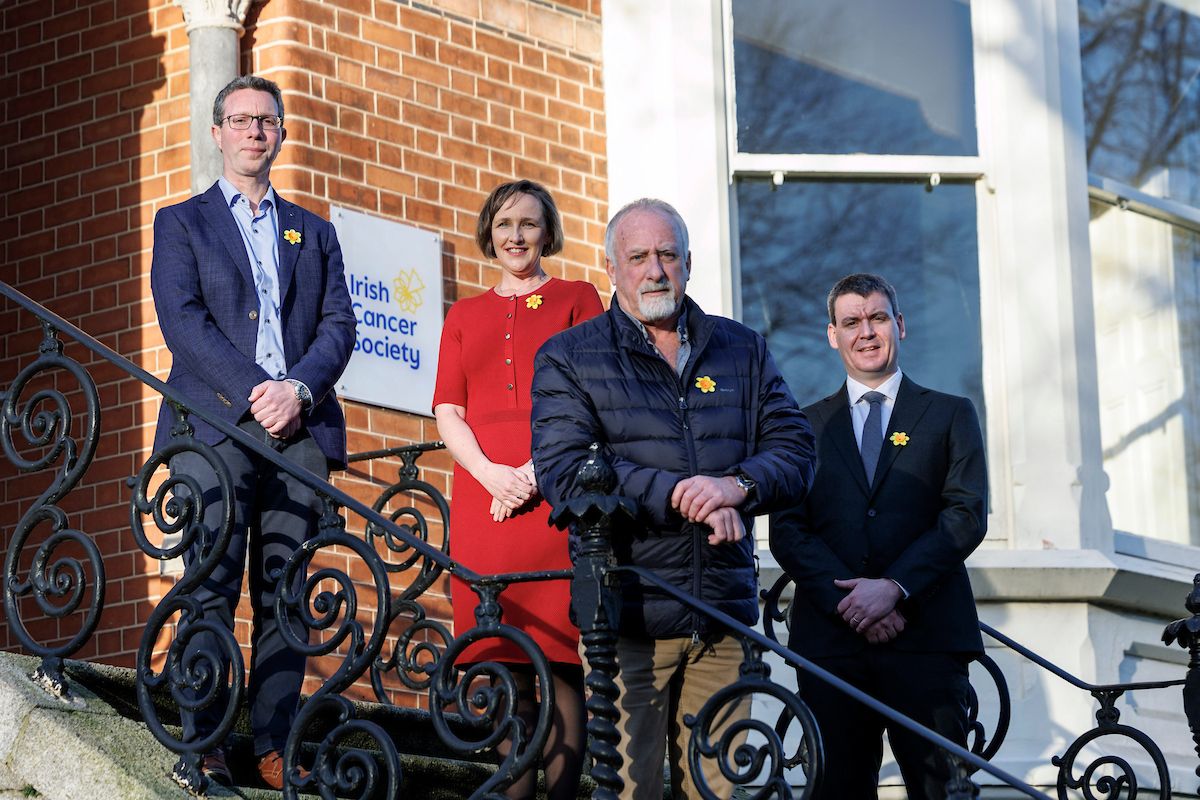
Paul Guinee (63) is pictured with thoracic surgeon at St James’s Hospital, Mr Gary Fitzmaurice, Amy Nolan, Director of Clinical Affairs at the Irish Cancer Society and Professor Daniel Ryan, Respiratory Consultant at the Beaumont RCSI Cancer Centre and Clinical Lead of the Lung Health Check Pilot(Image: Andres Poveda Photography)
“I couldn’t believe how efficient it was, and how enthusiastic they all seemed to be,” Paul added.
“From the very beginning until the very end, I couldn’t believe how quick they were. It sounds like they saved me a lot of trouble a year down the road — something I may not have recovered from.
“I was out and about walking two weeks after the operation and the lung is improving. I was told that after four to six weeks, the lung should be back to pre-operation stages.”
Thoracic surgeon at St James’s Hospital, Mr Gary Fitzmaurice, who operated on several of the patients identified through the Lung Health Check pilot, said the programme is already demonstrating its value by identifying cancers before symptoms appear, allowing patients to access curative treatment.
He explained that the major impact of the pilot is that cancers which would normally be detected at a late stage are instead found at a much earlier point.
Mr Fitzmaurice said: “We’re identifying people who have very early lung cancer who have absolutely no symptoms and without a CT scan would not have been detected.
“That gives them the big advantage of having all the potential options for curative intent treatment and the best chance of long-term cure.”
Mr Fitzmaurice said patients detected through the pilot are benefiting from minimally invasive approaches: “It’s much more likely they’ll be able to have a keyhole or minimally invasive operation, with reduced risks and complications, a short hospital stay, and faster recovery. It turns out to be a bump in the road, rather than a completely life-changing event.”
Mr Fitzmaurice said that, to date, based on figures still being collated, up to five such surgeries have taken place, with several more patients currently in the system.
He noted that, so far, those who have been diagnosed are predominantly men and women in their early 60s, who had no symptoms and no reason to undergo imaging outside of the pilot.
Professor Daniel Ryan, Respiratory Consultant at the Beaumont RCSI Cancer Centre and Clinical Lead of the Lung Health Check Pilot, said: “Lung cancer kills more Irish people every year than any other cancer, mainly because it is diagnosed late when it is difficult to treat. This pilot programme is saving lives by detecting cancer early.
“Leading a mobile lung health check in the community is a major step forward for lung cancer care in Ireland, and we are proud to have initiated this work in Beaumont RCSI Cancer Centre.
“This pilot is breaking down barriers that have long stood in the way of early detection of lung cancer, bringing together partners across the healthcare system. The support from the Irish Cancer Society, and our collaboration with Centric Health GP practices, Alliance Medical Diagnostic Imaging, and the GAA clubs in the region, is ultimately saving lives.”
Subscribe to our newsletter for the latest news from the Irish Mirror direct to your inbox: Sign up here.