
Celia Holman Lee is one of Ireland’s most photographed women, a defining presence in Limerick style who this year celebrates her 75th birthday with a lavishly illustrated book, Glamour and Grit. The title accurately sums up a long, hardworking modelling career and it is telling that, in a volume packed with hundreds of photos from childhood to the present day, some 50 photographers are among the many credits.
With nearly 250 glossy pages, the book is divided into the decades from the 1950s, with “top tips from Celia” interspersed. Her retrospective introduction covers her family origins and background in Limerick, and how she went from working in a factory to winning awards and decorating the covers of many Irish magazines.
We meet in the Savoy Hotel in Limerick the day after the book launch, “a brilliant success, huge crowds”, she says, reminiscing about how she and her mother Kathleen (to whom the book is dedicated) used to come there when it was a cinema “to see the pictures”. Elegant, slender and blessed with a flawless complexion, she is dressed in a black lace top and leather skirt, her floor-length teddy coat and large YSL bag hanging on the coat rail nearby. Everybody knows her in Limerick.
Like the famous 1960s British model Twiggy, whom she idolised, she is proud of her working-class background. Her parents split up when she was young, and she grew up not knowing her father, nor her two brothers, who lived separately. Her mother struggled with mental-health issues. Other strong women in the family were big influences on her, particularly her grandmother, from whom she inherited a love of Irish dancing.
“I started Irish dancing at six or seven, and continued until I left school at 14. The discipline was strict – you dared not get it wrong – but what I learned then has stood to me to this day, from posture to poise and timing,” she says, tossing back her long hair and straightening up, involuntary gestures she repeats throughout the meeting. In the book, she writes about how dancing “gave me my first taste of performing. Any nerves I had would disappear once I got on that stage.”
A picture of her aged around 11 shows her bedecked with medals holding a silver cup, a broad smile on her face. “That crochet collar was made by my grandmother,” she recalls, looking at the photo, “and my mother documented every single medal I won and kept clippings from newspapers and magazines throughout the years.” That archive lay in boxes until Covid, when she decided to do something with them and the idea of the book took root.
She started working in the Danus clothing factory in the 1960s in Limerick, where her knowledge of clothing began to grow. “I loved to get dressed up for work,” she says. In her early teens she was approached on the street and asked to model, her first show being in Cannock’s department store, a mecca for Limerick shoppers at the time. Modelling seemed to come naturally.
Her first big break was an assignment in Shannon where she was photographed in hot pants and white boots inside the engine of the first jumbo jet to land at the airport. That image generated huge publicity nationwide, and propelled a burgeoning career.
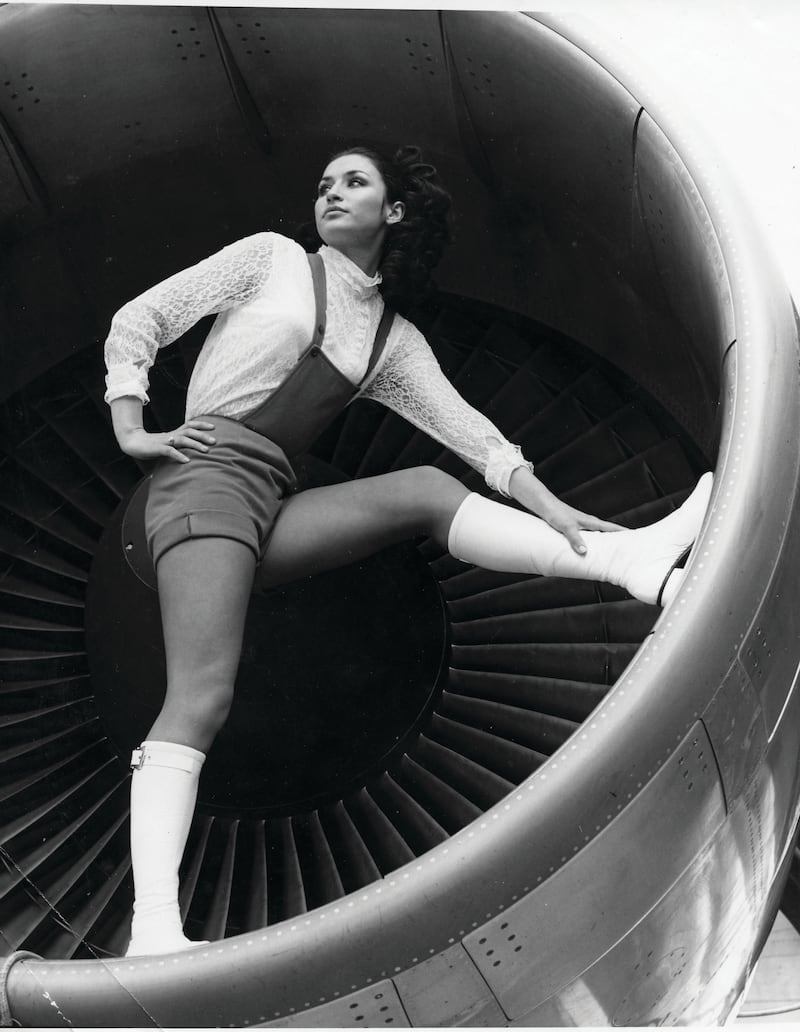 Celia modelling in an engine of the first jumbo jet to land in Shannon Airport
In 1973, at the age of 22, she founded her modelling agency Holman Lee (with husband Ger Lee), now Ireland’s longest-running modelling agency. Their first boutique lasted 18 years until recession hit. By then, television appearances had become a big part of her career. Over 40 years her agency staged shows all over Ireland, and she remains a regular judge of Best Dressed competitions.
Other career highlights include staging fashion shows in Belfast and Derry for Cooperation North in the 1970s, from an idea initiated by Brendan O’Regan, the visionary developer of Shannon Airport and the Duty-Free concept, and colleague Dorothy Cantrell. Now in her 90s, Cantrell remains a friend. Those shows in the North resulted in coverage from the BBC’s Clothes Show, which had around nine million viewers every Sunday.
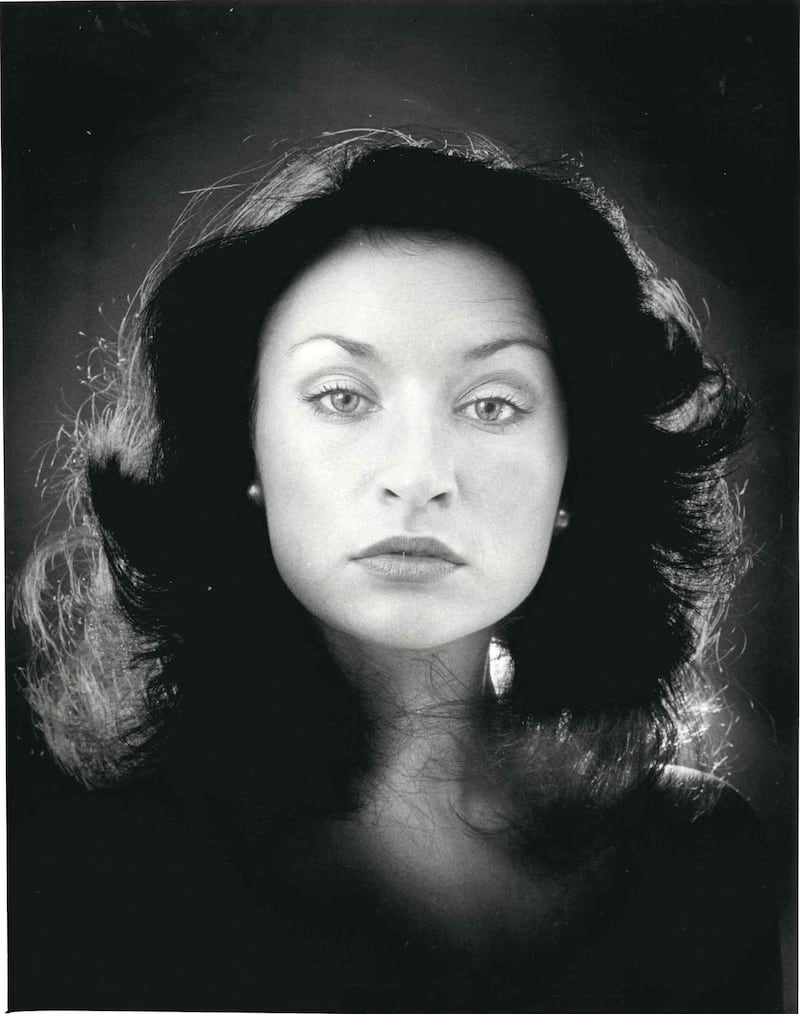 Celia Holman Lee. Photograph: Dermot Lynch
 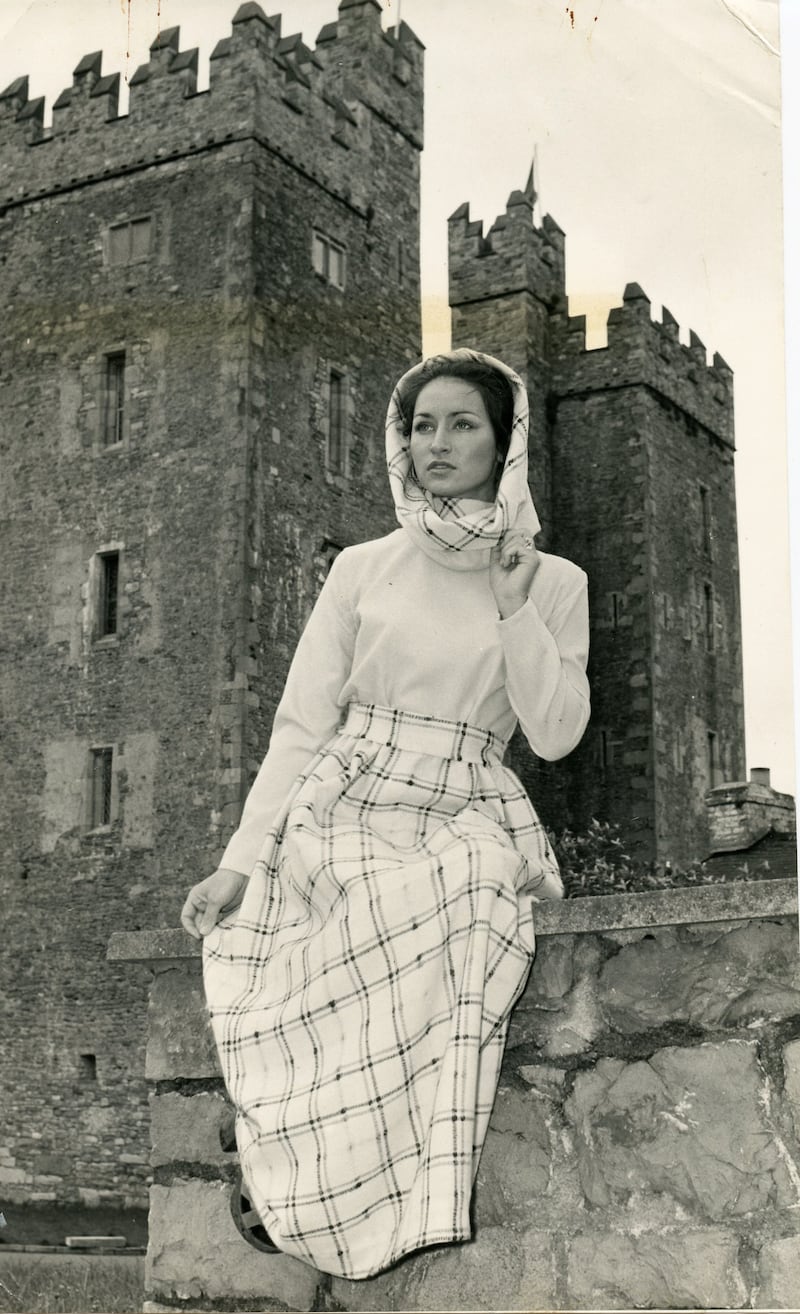 Celia modelling an outfit from designer Vonnie Reynolds at Bunratty Castle in the 1960s
 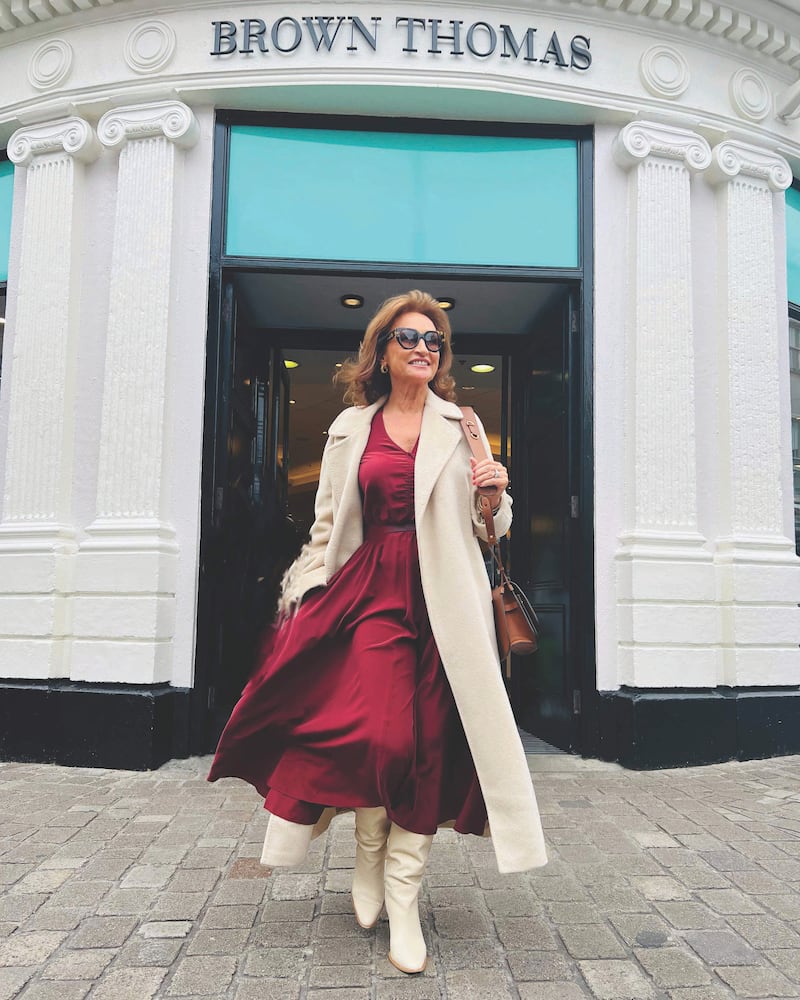 Modelling an outfit in a photo shoot for Brown Thomas
 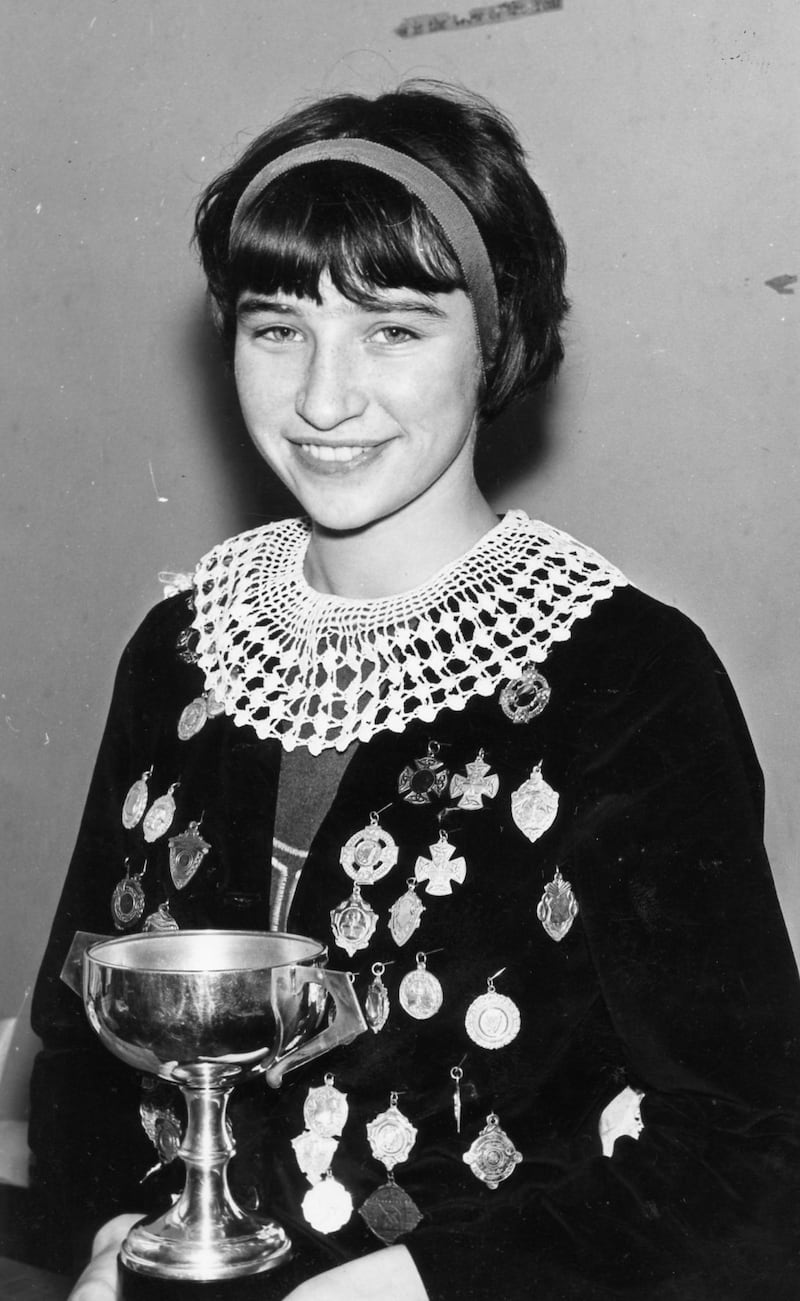 Celia aged 11, an award-winning Irish dancer. ‘That crochet collar was made by my grandmother’
Another standout memory was learning to skate for Skating on Ice, part of The Late Late Show, in 2008. Her Rose of Tralee fashion show for an audience of around 2,000 people she reckons would have been the biggest of its kind in Europe. “But Covid took all that away and changed a lot. All of us went over the edge and into the ocean. My finances were fine, but business never came back to what it was before,” she says. Being resilient and practical, she started using social media for deportment lessons “which stressed me out”, but she now has more than 60,000 followers, aided by her daughter-in-law Asta, “who has the flair to choreograph”.
[ The future of Irish fashion: rising stars of design and modellingOpens in new window ]
Chatty and sociable with a sense of fun, she argues that ramp modelling is entertainment. “I used to have around 30 to 40 models, and taught them how to walk and present themselves on the ramp and work the clothes. Today the walk is not as pronounced as it used to be – it is more relaxed.”
She demonstrates how to straighten up and shake the shoulders back, advising “never to put your hands on your hips because it widens the body, but on your waist because that gives your body shape”. On the catwalk, “you thrust yourself a little forward and throw the leg out as far as you can – that gives movement to the hip. Your greatest gift is your posture.”
[ Beauty queens: the women behind Ireland’s booming make-up, skin and hair brandsOpens in new window ]
Being photographed so often gives her a particular perspective on creating an image. “I notice attention to detail, background and getting an atmosphere around the picture. I always like to create an ambience as the background tells a story and must take your vision. You need to define the eyes – baldy eyes don’t work. Eyebrows frame the face.” Her go-to skincare brands include Shiseido, Clarins and Skin Doctor. “I do my best, but I am not that precious. I don’t like gyms and don’t like people looking at me in gyms.”
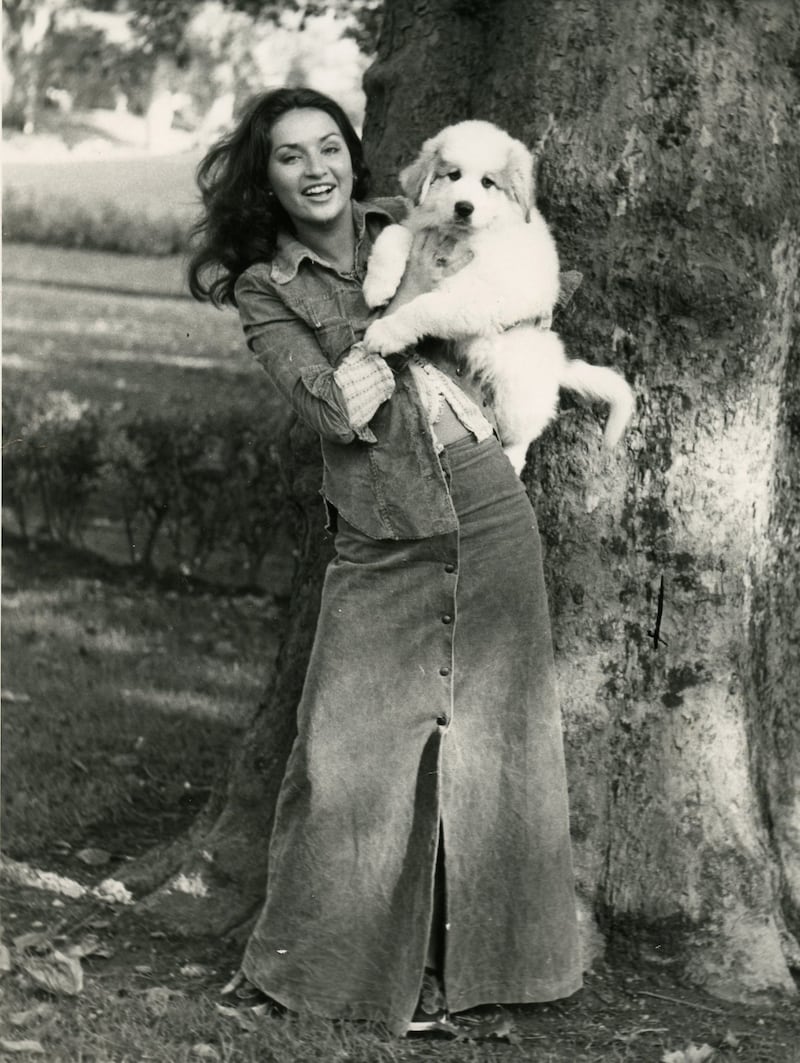 Aged around 28 in the People’s Park in Limerick
Her latest project is a new fashion museum in Limerick, due to open in a few years’ time in a former barracks in the old part of the city. “It will celebrate Limerick’s history of manufacturing – factories like Danus, Crescent Clothing and Taits, which employed over a thousand workers making uniforms for the Confederate army”, in the American civil war, says Holman
“The museum will be a fashion hub for both established and young designers, and our mayor John Moran is behind it as he is interested in everything to do with the arts.”
 Celia in Abu Dhabi
She believes the timing is right now for young designers “because they are embedded in the idea of sustainability and using natural fabrics, like Mary O’Sullivan whose toile de Jouy prints use Limerick motifs.”
Admitting that she “likes a bit of bling”, Holman Lee says she loves clothes because “they project your image and give you self-worth and self-confidence. I love dressing up.”
She was also the first to stage street fashion shows in Limerick. “We did it in the summer with 10 models and between the rain did the same in Ennis last week – right under Daniel O’Connell,” she says with a laugh.
Ever resilient and positive, she has no regrets. “There have been good times, difficult times and fantastic times. But would I change anything? I wouldn’t change a single thing,” she says firmly with a defiant flick of the hair.
Glamour and Grit by Celia Holman Lee is published by No 1 Books. glamourandgrit.ie