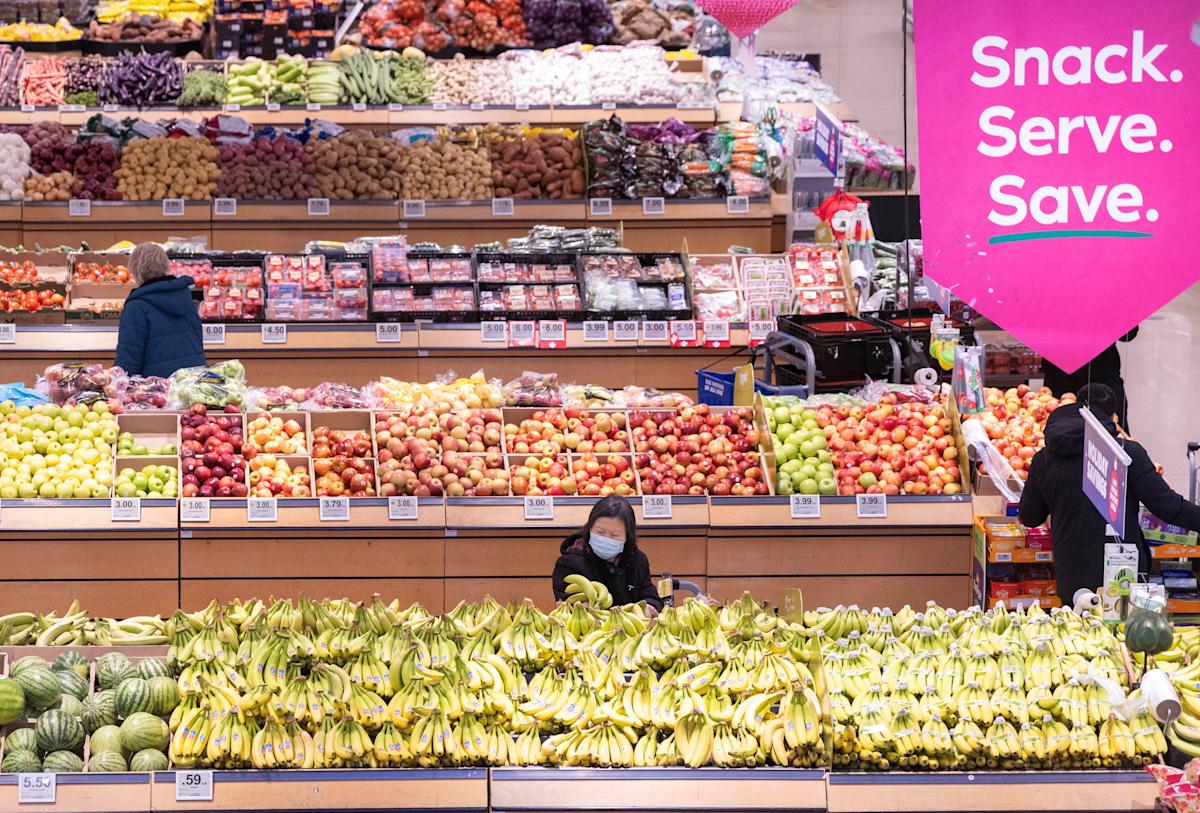
 Food prices were expected to rise on a year-over-year basis because December 2024 restaurant prices had been lowered by the temporary GST holiday that ended in early 2025. (Photo by Zou Zheng/Xinhua via Getty Images) · Xinhua News Agency via Getty Images
Canada’s annual inflation rate picked up steam to 2.4 per cent in December, according to Statistics Canada data published Monday. Financial industry observers had expected the inflation rate to remain in line with the 2.2 per cent rise recorded in November, according to consensus estimates published by BMO.
The GST/HST holiday, which was introduced in December 2024 and brought prices down, was a key factor in the comparative rise, the agency said.
Economists widely pointed out that although the headline number rose, various core measures have slowed considerably, which the Bank of Canada (BoC) may find more noteworthy given the tax holiday’s impact.
“While the headline rate was above expected, the details were somewhat softer, and the Bank will likely be encouraged by the pullback in most core CPI measures,” BMO chief economist Douglas Porter wrote in a note to clients.
“However, there certainly is not enough here to push the BoC towards more cuts. It would take a serious deterioration in the economy and some further signs of core inflation decelerating to again open the door for renewed policy easing — we’re simply not there yet.”
TD economist Leslie Preston had a similar view, noting that while the BoC has said it is reviewing how it evaluates underlying inflation, the central bank’s official core inflation metrics (CPI-median and CPI-trim) both cooled further in December.
“Zeroing in on trends over the past three months, trim and median inflation were running at only 1.5 per cent and 1.9 per cent (annualized), now below the Bank of Canada’s two per cent target.”
With the current, subdued state of underlying inflation, the BoC’s policy rate is unlikely to change this year, CIBC economist Andrew Grantham wrote.
On a monthly basis, CPI fell 0.2 per cent in December. Seasonally adjusted, CPI rose 0.3 per cent.
Lower gasoline prices versus a year ago put the most downward pressure on the headline inflation rate. Gas prices fell 7.1 per cent from November and 13.8 per cent compared to December 2024. CPI excluding gas rose three per cent from a year ago.
“Crude oil prices have declined to their lowest point in over four years amid a continued oversupply in global markets, among other factors,” Statistics Canada noted.
In addition to higher restaurant prices — which rose 8.5 per cent — caused by the absence of the GST/HST holiday, prices for food purchased from stores gained five per cent from a year earlier, with coffee and beef prices up significantly. Other categories affected by the previous year’s tax holiday include alcoholic beverages, toys, games and hobby supplies, children’s clothing and select grocery items, such as potato chips and candy.
Meanwhile, other aspects of the December report were mixed. Airfares, which reliably spike during the holiday travel season, were up 34.5 per cent from the previous month, but were down 0.8 per cent compared to December 2024. Hotel charges, however, fell 10.8 per cent year-over-year.
In shelter, rents were up 4.9 per cent from a year ago, but mortgage interest costs rose just 1.7 per cent. Telephone services were up 13 per cent since December 2024, the largest annual increase since 1982, BMO’s Porter said.
Annual inflation rose compared to November in nine of 10 provinces, Statistics Canada said, with a deceleration in B.C. recorded because traveller accommodation prices fell dramatically compared to December 2024, when a series of Taylor Swift concerts drove up room rates.
John MacFarlane is a senior reporter at Yahoo Finance Canada. Follow him on X @jmacf.
Download the Yahoo Finance app, available for Apple and Android.