The EU warns that rising global tensions could trigger crises
09:09, 19 Jan 2026Updated 09:10, 19 Jan 2026
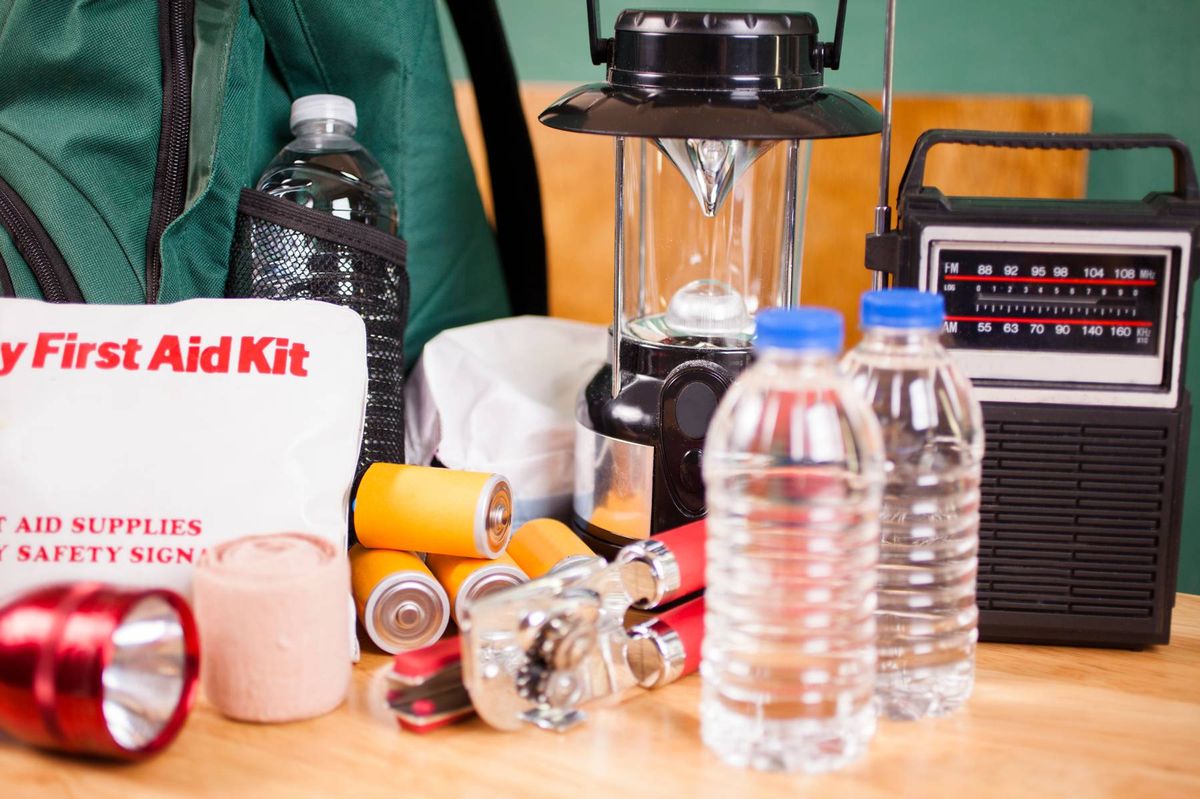
(Image: Getty Images/iStockphoto)
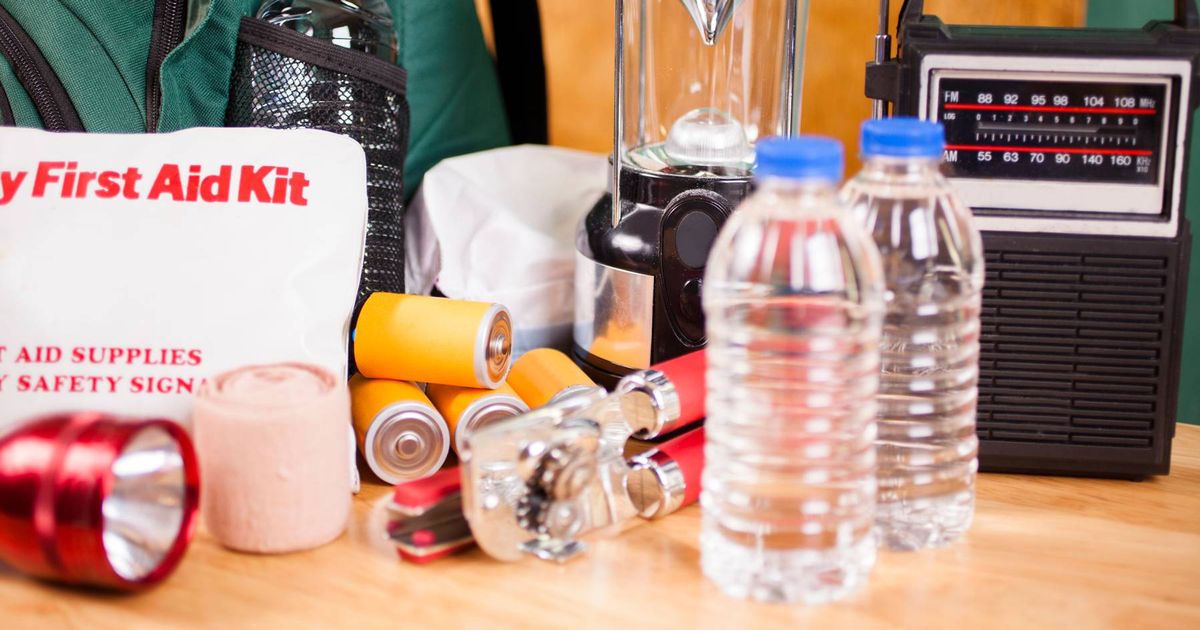
Irish households are being urged to stockpile at least 72 hours’ worth of essentials as concerns over global instability continue to rise. The European Union‘s advises an emergency list of 6 items to have in your house at all times.
The EU first issued this call to action in March 2025, and the advice is just as relevant today, amid mounting tensions between Russia, the United States and other global powers. Preparedness and Crisis Management Commissioner Hadja Lahbib outlined the EU’s new strategy for dealing with future disasters, stating: “Today’s threats facing Europe are more complex than ever, and they are all interconnected.”
Lahbib advised households to stockpile six essential items in case of a Europe-wide emergency
- Food
- water
- flashlights
- ID papers
- medicine
- shortwave radios.
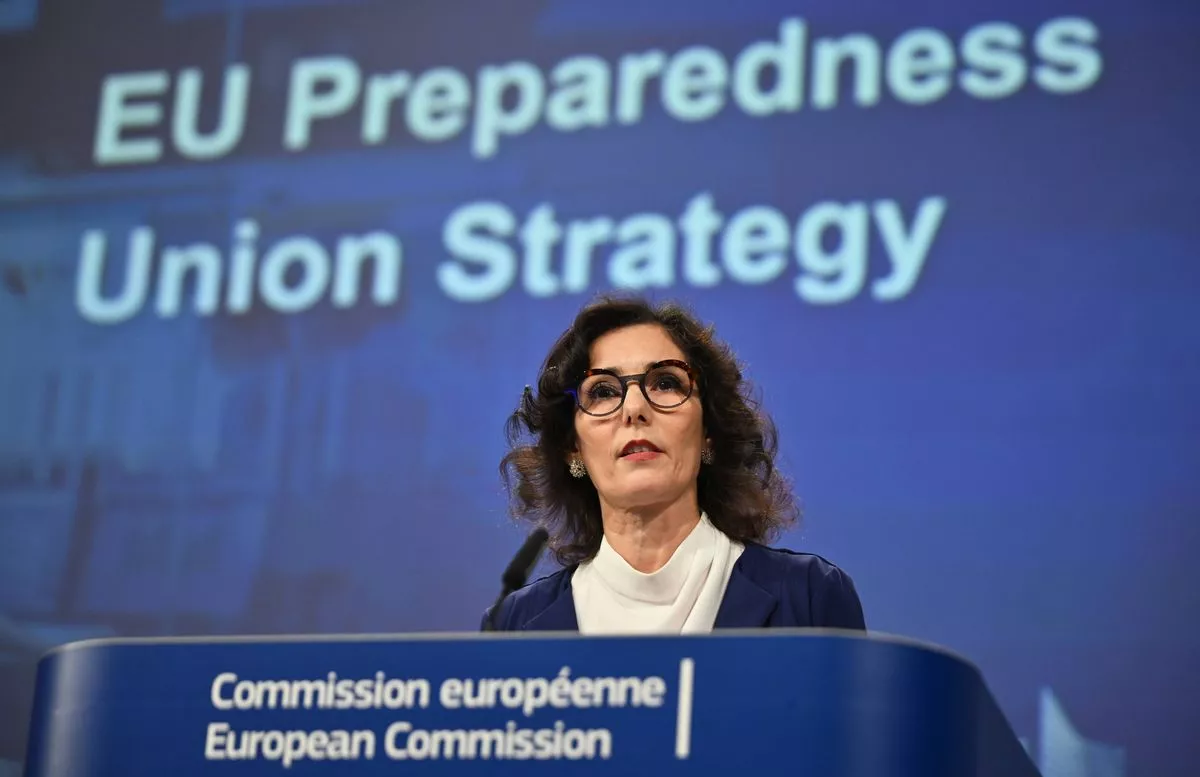
March 26, 2025 – European Commissioner for Preparedness and Crisis Management Hadja Lahbib hold a press conference in Brussels, Belgium urging all EU citizens to start stockpiling essentials(Image: Dursun Aydemir/Anadolu via Getty Images)
NATO Secretary General Mark Rutte warned last year that Russia could be capable of launching another attack in Europe by 2030. Citizens have been told to ensure they have basic supplies like food, water and medicine in case of any unforeseen crisis – from wars and cyberattacks to energy disruptions or disease outbreaks.
Currently, there are ongoing geopolitical tensions, including renewed clashes in Ukraine, escalating rhetoric between Russian President Vladimir Putin and NATO and the continued influence of US President Donald Trump on global politics.
While not wanting to sound alarmist, Lahbib said it’s important “to make sure people have essential supplies for at least 72 hours in a crisis”.
Lahbib also stressed the importance of EU-level planning, calling for a “strategic reserve” of critical resources such as firefighting planes; medical, energy and transport equipment; and specialised assets against chemical, biological, radiological and nuclear threats.
The EU’s approach mirrors systems already in place in countries like France, Finland and Sweden. In 2024, Sweden updated its Cold War-era civil emergency advice “to better reflect today’s security policy reality”, including preparations for a potential nuclear attack.
However, the level of crisis preparedness varies across EU countries, and the commission is urging better coordination to ensure a rapid, effective response to any crisis. Lahbib added: “We can no longer rely on ad hoc reactions.”