Denmark is measured globally as an “easy place to do business”, attracting investments and entrepreneurs from around the world.
One element in many international rankings is that Denmark is a high-trust culture where good ideas are met with objective evaluations of their potential, bypassing lengthy relationship-building activities before being trusted to showcase competences or products.
The issue for internationals is that this instantaneous trust is not felt or perceived by all. What, in my view, is often misunderstood is that internationals are not denied this trust – but rather that trust-building processes are so different, that internationals often fail to benefit from it, losing access to markets and networks.
Trust without warmth: why “being nice” can backfire
Danish trust is tricky, working oppositely to many other cultures. As you have probably noticed, Danes do not use much warmth or small talk with new acquaintances. For years, Denmark has been ranked as one of the “least friendly” countries for expats, largely because we don’t initiate a welcoming atmosphere by asking personal questions or finding common ground. We see little reason to discuss hobbies or weekend plans before – and never (ever) during – a business interaction.
A well-timed “Nå!” will abruptly end your coffee mid-sip and signal that it’s time to get to the point. A polite reminder that the meeting is scheduled for exactly one hour will follow if you try steering the conversation towards your children or Sunday’s trip to Frederiksberg Have.
On the surface, this can feel unsympathetic. But there is a “hyggelig” explanation behind it: trust is assumed as a baseline. Especially between Danes, trust is not something you build through personal chemistry first, we expect immediate openness, clarity and collaboration. We don’t have much interest in – or skill for – relationship-building rituals before getting to work.
Here lies a major disconnect. Internationals often arrive with a polite, enthusiastic and relationship-oriented approach, holding back ideas until mutual interest is established. In a culture where trust is assumed, this caution can be misread as lack of commitment, and Danes may even see attempts to build rapport as strategic manipulation.
The follow-up trap: when persistence becomes pressure
This misalignment is often reinforced by the well-meaning, ambitious follow-up.
In many cultures, polite persistence after an introductory meeting signals professionalism. In Denmark, frequent or quick follow-ups are more likely to be read as pressure – an attempt to force a process that should be allowed to unfold on its own.
It can feel like being asked to do something for you. Or worse: that you are trying to sell something (say that last sentence with a look of mild disgust for the full Danish experience).
Typical responses include unanswered emails, unreplied LinkedIn messages, or your calls ending quickly with “Yes yes, det finder vi lige ud af” (“Yes, yes, we’ll sort that out”, ed). All polite ways of saying “no thank you”. Giving space, in this context, is a sign of respect for autonomy. Trust grows when people feel free to come back in their own time.
Networking over selling
Danish trust is task- and content-based, not relational. Danes are used to evaluating input directly, assuming openness and shared intent from the outset. Internationals often describe feeling that this trust is not extended to them, which of course might be the case sometimes – but sometimes it may also be offered earlier in the process, but not activated.
Either way, it feels like a catch-22: trust is not felt, so relationship-building feels necessary, which creates further distance. The way forward is often to reverse the sequence.
Starting with sharing value openly – ideas, knowledge, contacts – without expecting immediate return tends to resonate more strongly with the Danes. Openness signals that you accept the baseline trust being offered, and that you are willing to reciprocate.
International entrepreneurs describe realising that holding back ideas to protect them was interpreted as reluctance rather than good business sense. Sharing, on the other hand, led to introductions, collaborations and, over time, even a bit of personal interest – provided expectations were met, meeting times respected and overselling avoided.
Konkollega: competing while sharing it all
This brings me to a word that I am still getting used to using, and now am spelling for the first time: konkollega – a blend of the Danish words for competitor and colleague.
Danish entrepreneurial ecosystems often expect proximity between competitors. Keeping a defensive distance initially can signal, and therefore create, mistrust.
A konkollega is someone you may compete with, yet still exchange insights, customer frustrations and even contacts with. This is however not naïve openness; exploit it once for short-term gain, and you are likely out for good.
Build networks before business
A recurring – if slightly impractical – piece of advice is this: build a network before you build a business. Show up voluntarily, contribute without strings attached, share half-formed ideas and invite others to refine them. Trust accumulates quietly. Opportunities tend to follow later.
Conclusion: the slow and quiet economy of trust
Succeeding in Denmark often means adjusting expectations around when trust is built. However, in my perspective, not whether it is possible to attain, even though this is how it often feels.
Danish trust is unspectacular and deeply consequential. It does not reward visible effort or persuasion. It assumes openness first and grows through consistency and restraint in asking for returns.
The reward is not instant access. But once trust is activated, doors tend to stay open.
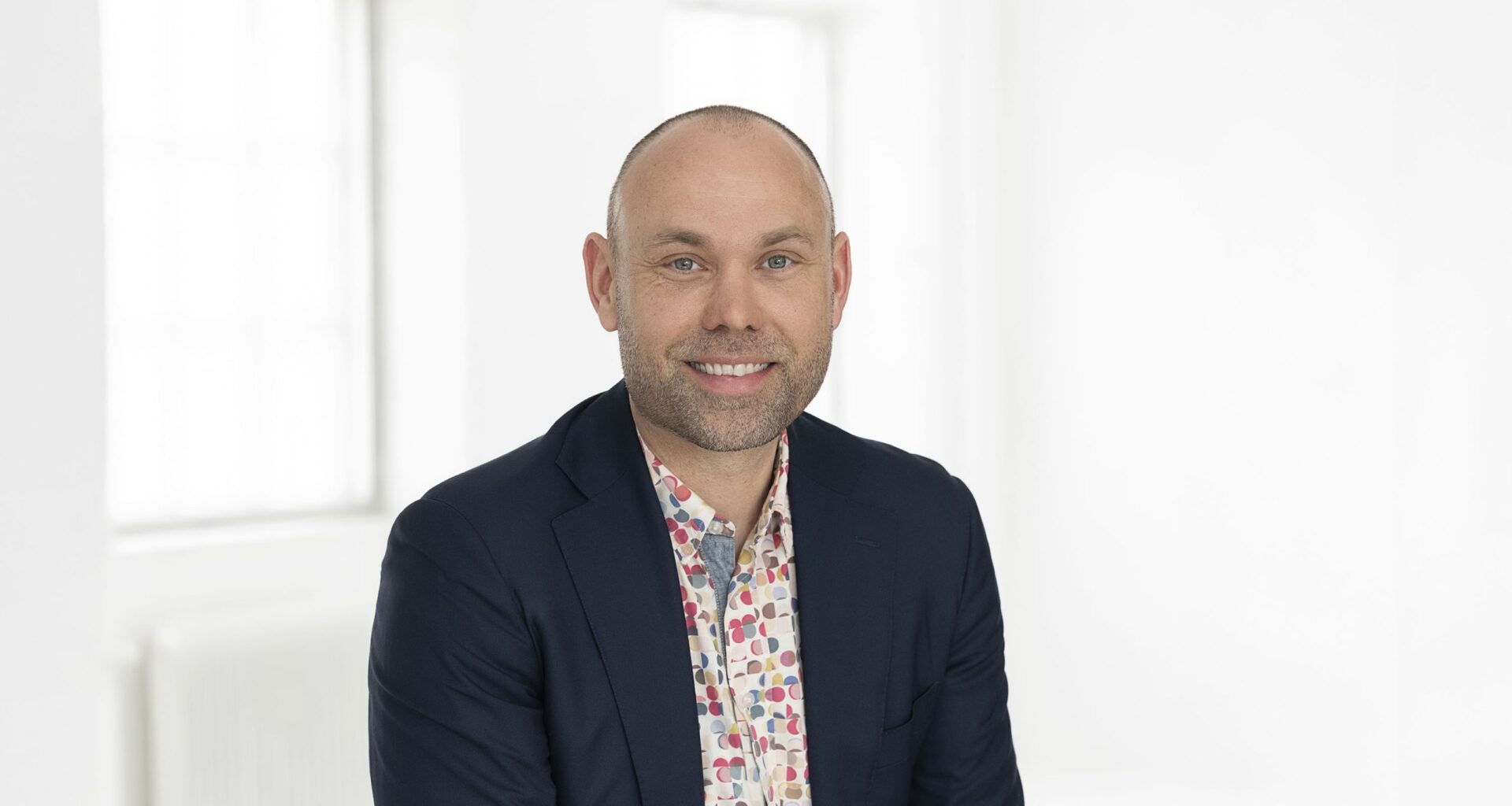
The author: Mikkel Hougaard Orlovski is a Danish business consultant and associate partner in ConnectingCultures. He specialises in cultural intelligence, DEI, and cross-cultural collaboration in international organisations of all sizes, with a special interest in entrepreneurship having been owner/founder/independent for three-quarters of his career.