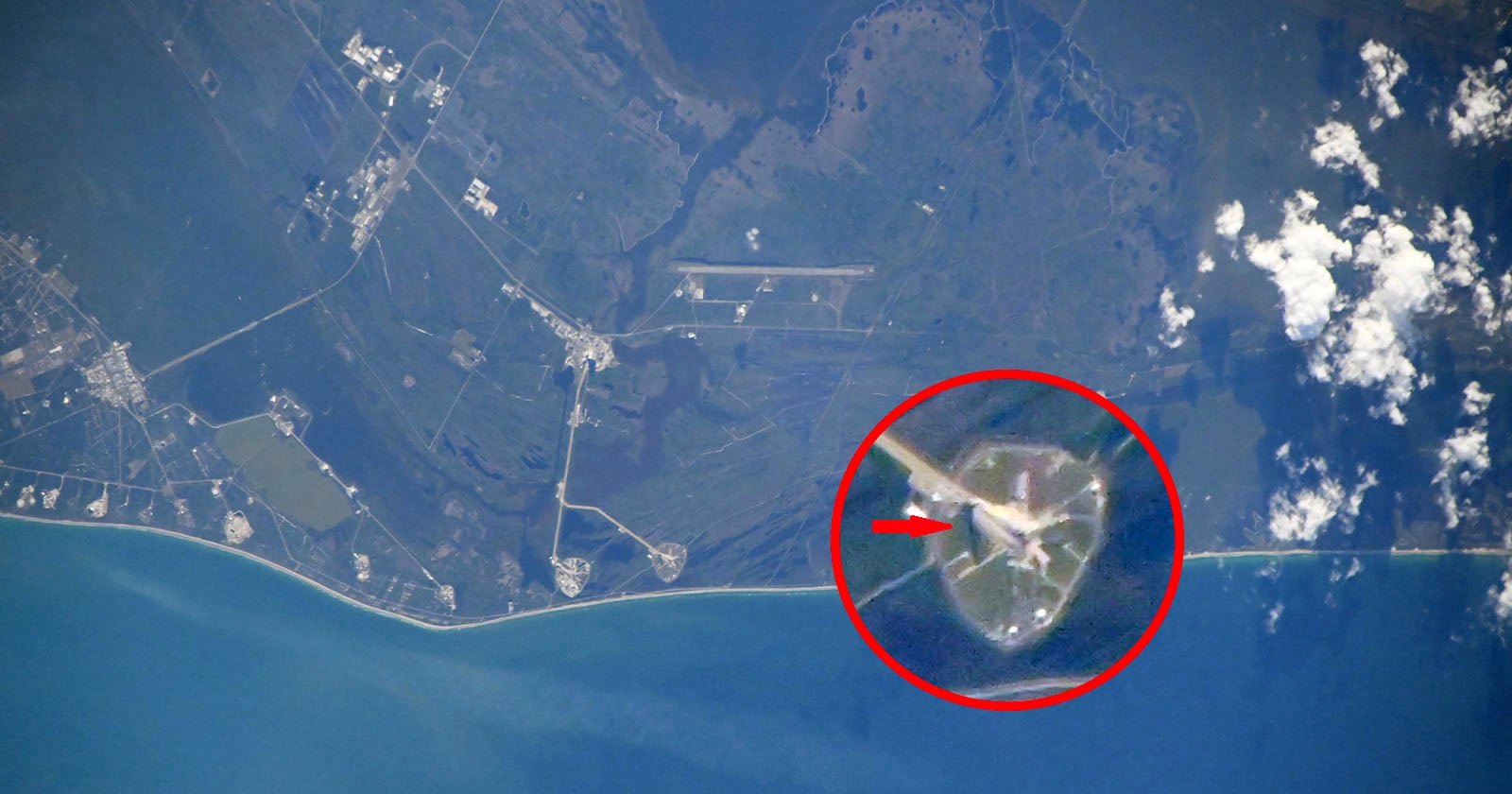
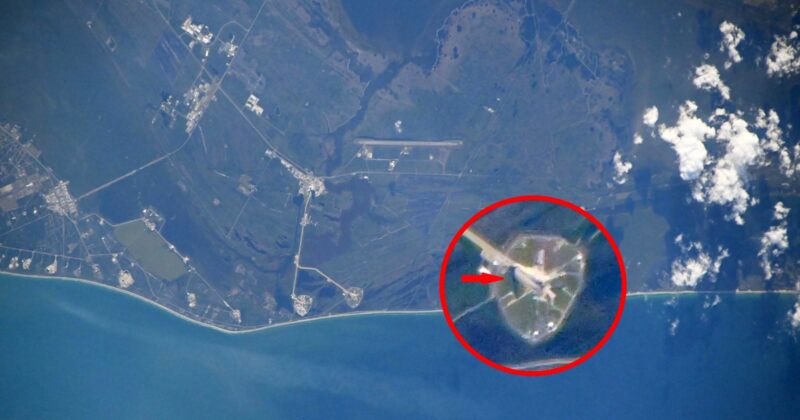
 Chris Williams spotted Artemis II sitting on its launch pad in Florida. It will take astronauts to the vicinity of the Moon, possibly as soon as February.
An astronaut onboard the International Space Station lamented he “should have grabbed a different lens” as he flew over the Artemis launch pad in Florida.
Chris Williams is currently the only U.S. astronaut in space after NASA’s Crew-11 was evacuated last week on medical grounds.
Last weekend, as the ISS flew over the Kennedy Space Center, Williams snapped a photo of Artemis II — a historic spaceflight mission that is set to take humans to the Moon for the first time in 50 years.
The 322-foot (98-meter) rocket traveled at a snail’s pace from Kennedy Space Center’s Vehicle Assembly Building. Starting at daybreak, the four-mile (six-kilometer) journey took until nightfall.
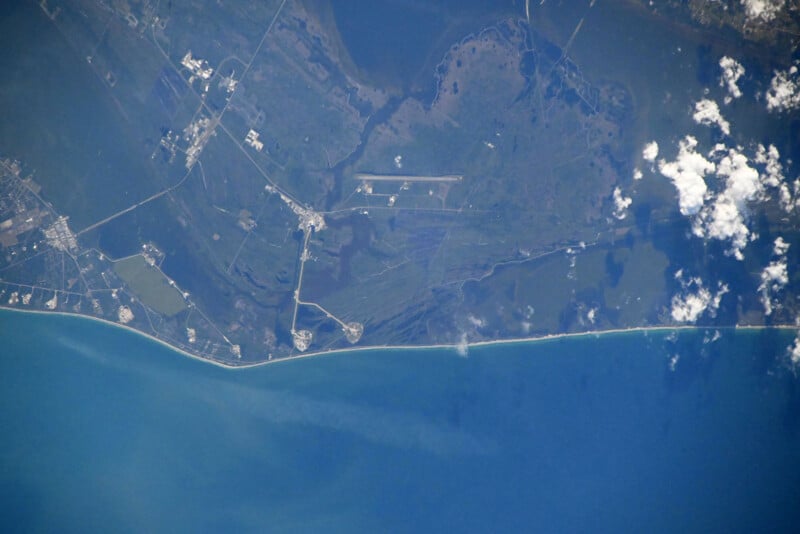 On the right launch pad sits Artemis.
“I took this photo of NASA’s Kennedy Space Center this weekend,” Williams says on X. “It is not my best photo (should have grabbed a different lens) but it is special – if you zoom in on the rightmost launch pad, you can see a shadow just to the left of the center of the pad. That shadow is from the rocket (and launch tower) that will soon take four of my friends on a trip around the Moon as part of the NASA’s Artemis program. This weekend was the rollout of the rocket, and we passed over Florida just as it was arriving to the pad.”
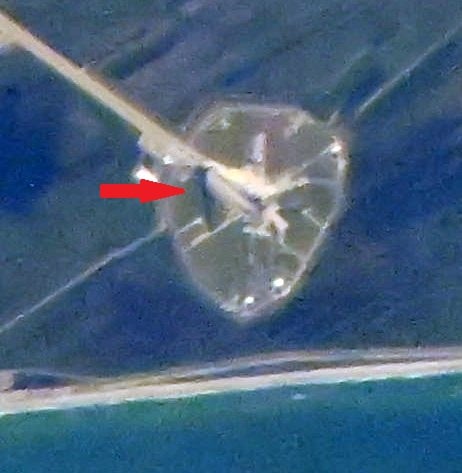
Artemis II’s rocket is the Space Launch System, which reached the launch pad on Saturday. It could lift off for the Moon as early as February 6. Four astronauts, NASA’s Reid Williams, Victor Glover, and Christina Koch, along with Jeremy Hansen from the Canadian space agency, will become the first people to travel around the Moon since Apollo 17 in 1972. Glover will become the first person of color, Koch the first woman, and Hansen the first non-American to leave low-Earth orbit.
The flight will take the crew farther from Earth than any previous human mission before reentering Earth’s atmosphere at a record speed of approximately 25,000 miles per hour (40,000 kilometers per hour).
Image credits: NASA / Chris Williams