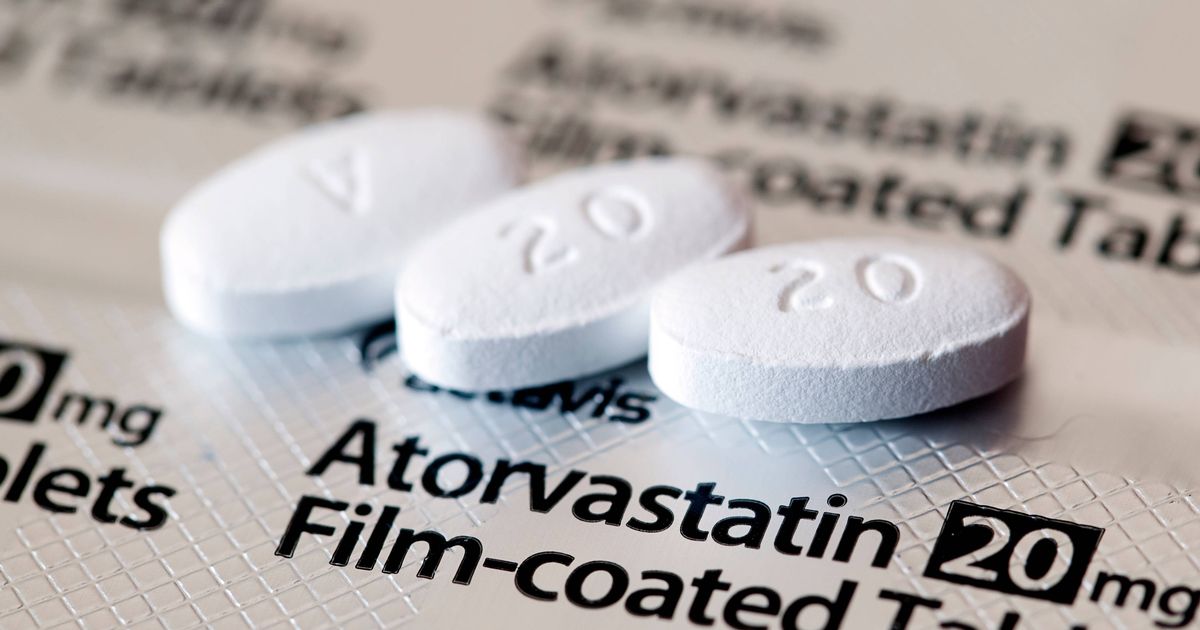
Pharmacist Anum has issued a health alert to the millions of people who take statins. The medication is common, but there are some things you need to know about using it
Katie-Ann Gupwell Acting Content Editor
14:18, 23 Jan 2026
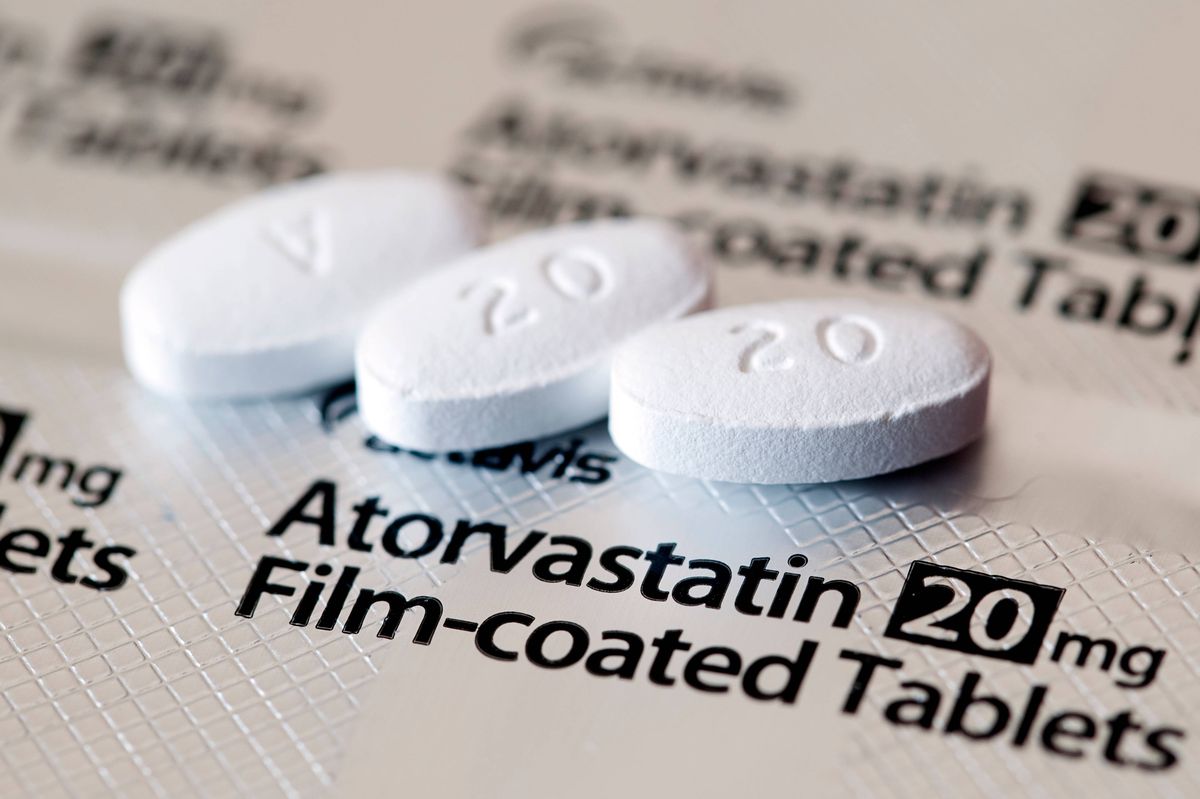
The pharmacist issued advice about statins (stock image)(Image: Gannet77 via Getty Images)
Many individuals take statins in an effort to lower cholesterol, but a pharmacist has recently provided crucial advice about the medication. Typically, people take statins to try and decrease “bad” LDL cholesterol and minimise their risk of serious cardiovascular events like heart attacks, strokes, angina and coronary heart disease.
The medication is prescribed by a doctor if someone has cardiovascular disease (CVD) or a high risk (10% or more over 10 years) of developing it, as it can help prevent problems in the future. However, if you take the medication to try and improve your health, there’s some expert advice you need to be aware of.
Pharmacist Anum recently outlined what people need to know in a straightforward TikTok video, and it’s extremely important to pay attention to. This follows another warning that was issued just a few months ago.
In the video, she stated: “If you, or somebody you know, takes any of these commonly prescribed medications, did you know that you have to be having regular blood tests to ensure that they are safe and appropriate for you?
“The first class of medications are statins, so things like atorvastatin, simvastatin [and] rosuvastatin. You actually need to be having your liver function tests and your cholesterol tested before starting at three months, and then at 12 months and then, once stable, every 12 months thereafter.
“So, if you’ve been on these medications for a while, and you haven’t had a blood test, be sure to speak to your GP. Secondly, blood pressure medication such as ramipril, lisinopril, losartan [and] indapamide.
“If you take any of these, you need to have your kidney function, which will include electrolyte levels, such as potassium, to be checked at baseline, after any dose change and then annually once stable. So again, if you’ve been on these medications for a while, and you’re thinking ‘hang on a minute, I haven’t had my blood test done in the last year’, be sure to speak with your pharmacist or GP because it’s very important.”
Content cannot be displayed without consent
Following the video’s release, numerous questions flooded in, making it evident that many people were unaware of these requirements. Even Pharmacist Anum acknowledged that medication monitoring can sometimes be “overlooked”.
What you need to know
What many may not realise is that regular blood tests are recommended whilst taking statins. This is essential to check liver function and monitor cholesterol levels.
Standard monitoring usually involves a baseline test, a follow-up three months after commencing treatment and another at 12 months. Annual check-ups are then recommended going forward.
The NHS website explains: “Statins should not be taken if you have liver disease or if blood tests suggest that your liver may not be working properly. This is because statins can affect your liver, and this is more likely to cause serious problems if you already have a damaged liver.
“Before starting to take statins, you should have a blood test to check how well your liver and kidneys are working. You should also have a routine blood test to check the health of your liver three months after treatment begins, and again after 12 months.
“For full details of cautions and interactions relating to your specific medicine, check the patient information leaflet that comes with it. If in doubt, contact a GP or pharmacist for advice.”
Additionally, regular blood tests are necessary if you’re on blood pressure medication to monitor kidney function, electrolyte levels (particularly potassium) and medication safety. Kidney function tests (U&Es), in particular, are also frequently needed, especially for ACE inhibitors or ARBs, to identify potential side effects.
If you have any worries about your health, or the medication you’re on, contact a GP for further guidance. Support is also available on the NHS website.