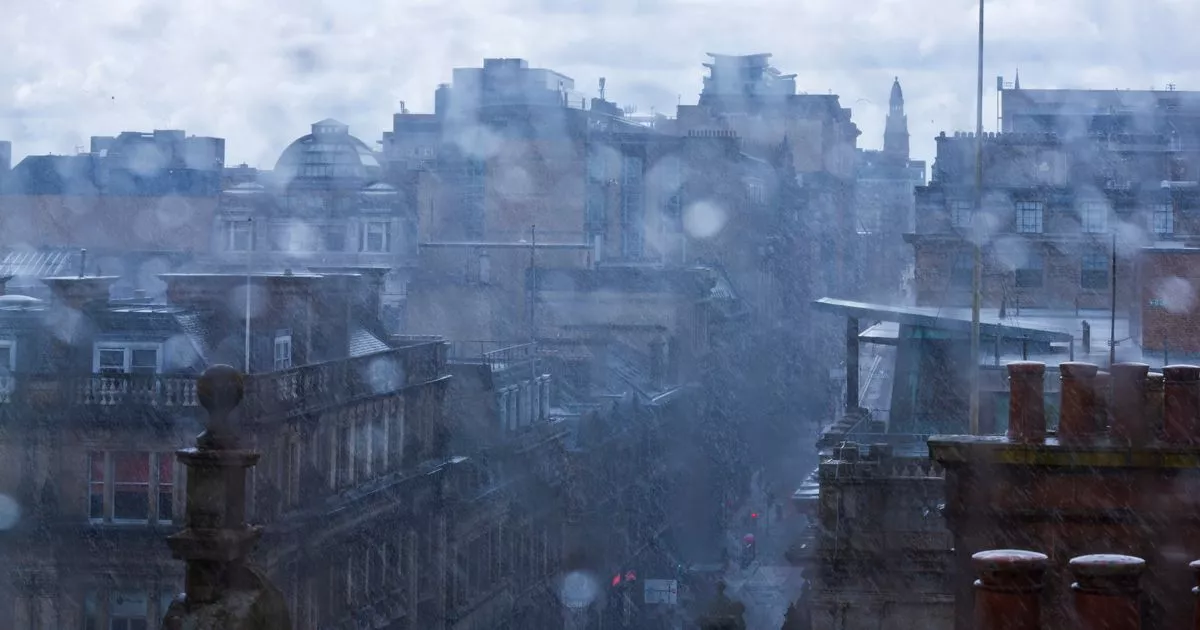
Here are the parts of the country that are hit worst by January blues.
11:40, 22 Jan 2026Updated 11:44, 22 Jan 2026
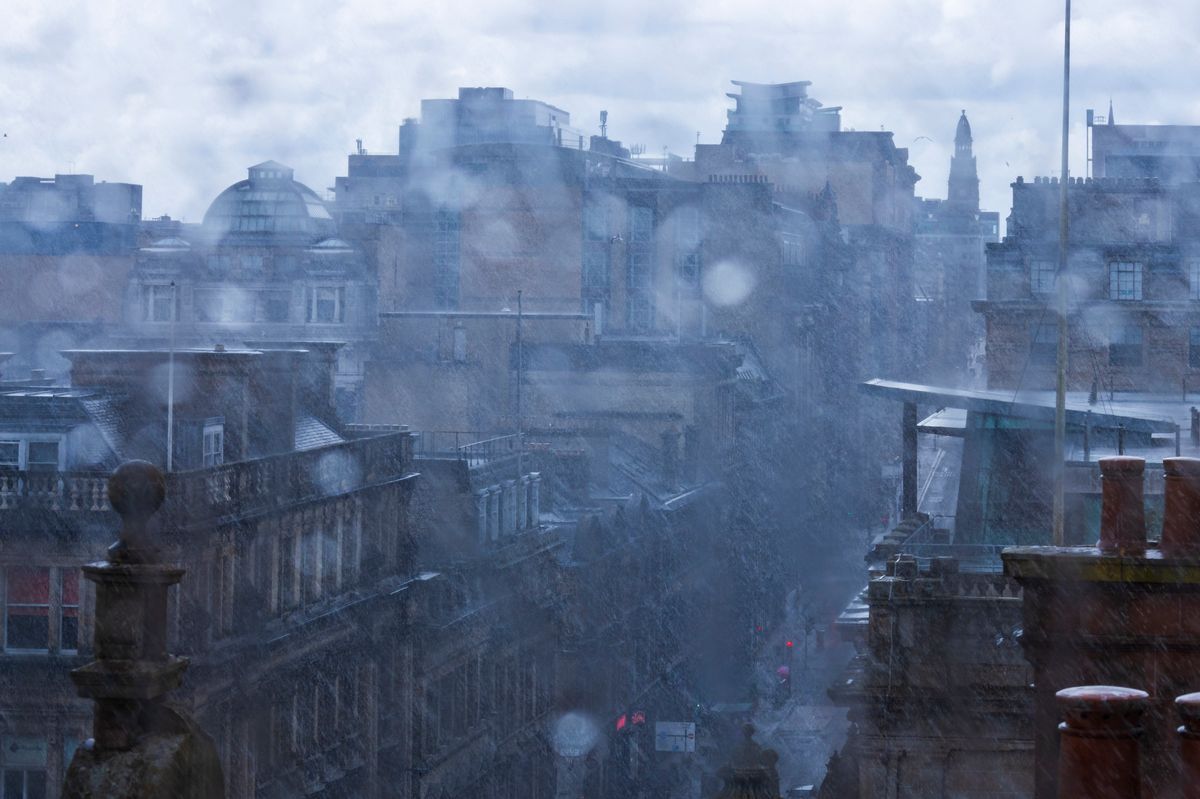
The “saddest” places in Scotland have been named(Image: David Madison / Getty Images)
Scotland’s “saddest” places where most people struggle with the ‘winter blues’ have been named as part of a new study. Two Scottish cities have been singled out for being home to the highest numbers of residents that feel “depressed” in January.
On Thursday, January 22, British Gas shared the results of a nationwide study investigating where in Britain most people say they “feel genuinely depressed” during the period of mid-to-late January. This time of year can have a significant impact on mental health due to long stretches of overcast days and limited midwinter sunlight.
According to British Gas, Edinburgh is the place in Scotland where most people feel the saddest in January. The study revealed that 16 per cent of those living in the capital struggle to feel positive in January during the midpoint of winter.
Meanwhile, the second and final Scottish destination to appear on British Gas’ list of the parts of the UK where people feel “saddest” in January is Glasgow. The research revealed that, like Edinburgh, 16 per cent of those living in Scotland’s largest city feel depressed.
Topping the nationwide list as the “saddest” place according to the experts at British Gas is Norwich in England. The research reveals that 25 per cent of people in the Norfolk city, equating to one in four residents, said that they feel “genuinely depressed” in January.
Overall, British Gas found that 42 per cent of Brits said they feel more depressed in January than any other month of the year, driven by factors such as cold weather and a lack of natural sunlight. Meanwhile, 54 per cent said that they wished January was a cheerier month and 57 per cent revealed they crave more light.
The study also found that many people retreat indoors when winter blues hit, with 41 per cent confessing they have ended up sitting on the sofa for hours. Additionally, 34 per cent of respondents stated that they avoid social situations and 24 per cent ignore phone calls in the midst of their low mood.
Operational Heritage Manager at British Gas David Moody said: “For more than two centuries, British Gas has helped light and heat homes across the country—from maintaining London’s iconic gas lamps to powering homes nationwide.
“Today, research shows just how tough the darker months can be on people’s mood and motivation. From getting outside during daylight hours to creating a warm, cosy home, Brits are actively looking for ways to feel better through winter.”
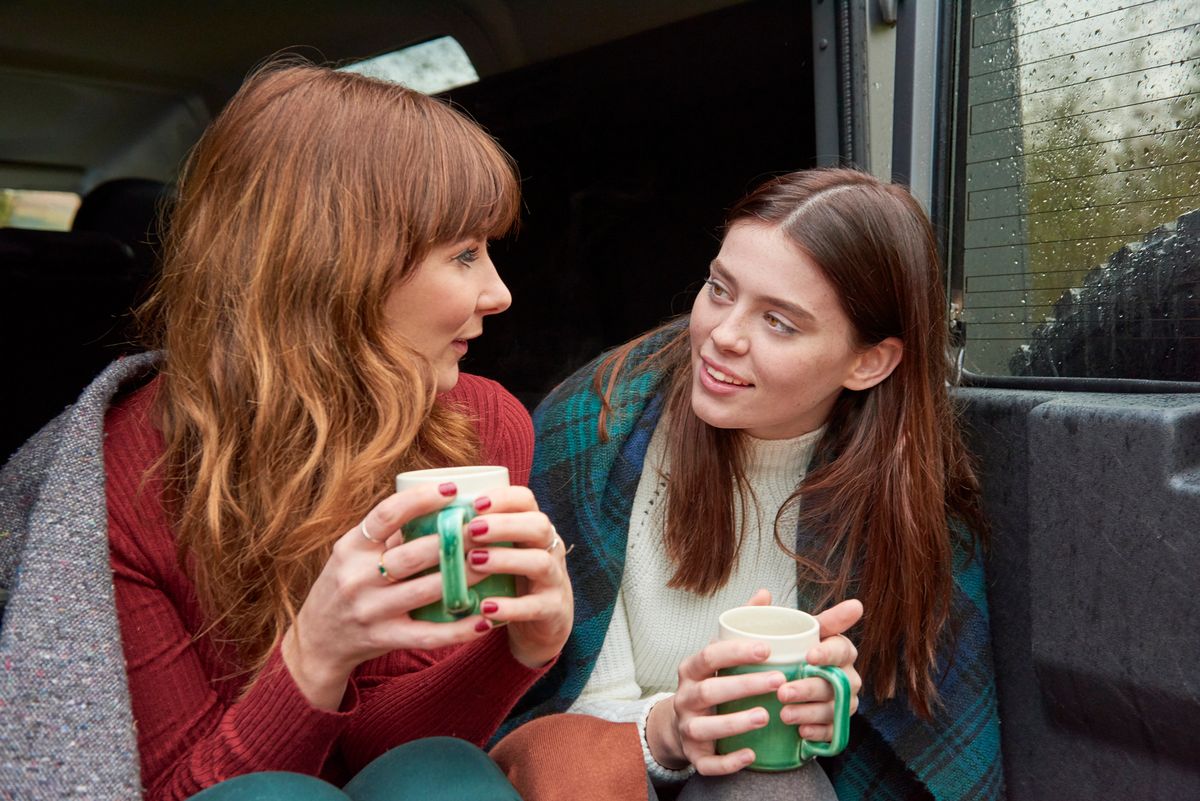
According to the experts, many people wrap themselves up in blankets to help lift their mood(Image: Plume Creative / Getty Images)
British Gas investigated methods that people use to help lift their mood amidst the January blues. According to the research, 45 per cent of respondents stated that they try and see friends and family, while 56 per cent make sure their home is cosy, 59 per cent snuggle in comfy clothes, and 34 per cent light candles.
The experts also spoke with psychologist Dr Becky Spelman to ask about how people can best manage the winter months. The mental health specialist stated that she recommends using a SAD lamp in the morning to boost light exposure, getting outside during daylight hours whenever possible, and eating regular and nourishing meals.
Dr Spelman commented: “January is often one of the hardest months of the year for many people across the UK. The festive period is over, routines feel disrupted, and the days are cold, dark and short.
READ MORE: The leafy Scottish village where Robert Burns was born perfect for Burns Night visit
“After weeks of reduced daylight and increased pressure around the end of the year, it is very common for mood, energy and motivation to dip. For many people, this can show up as tiredness, low mood, irritability or a desire to withdraw socially.
“Seasonal Affective Disorder is linked to reduced exposure to natural light, which can affect the body’s internal clock and the hormones that regulate mood and sleep. Even people who do not meet the criteria for SAD, often experience a milder version of the winter blues.
“This is not a sign of weakness. It is a very human response to environmental changes that are largely outside our control.”
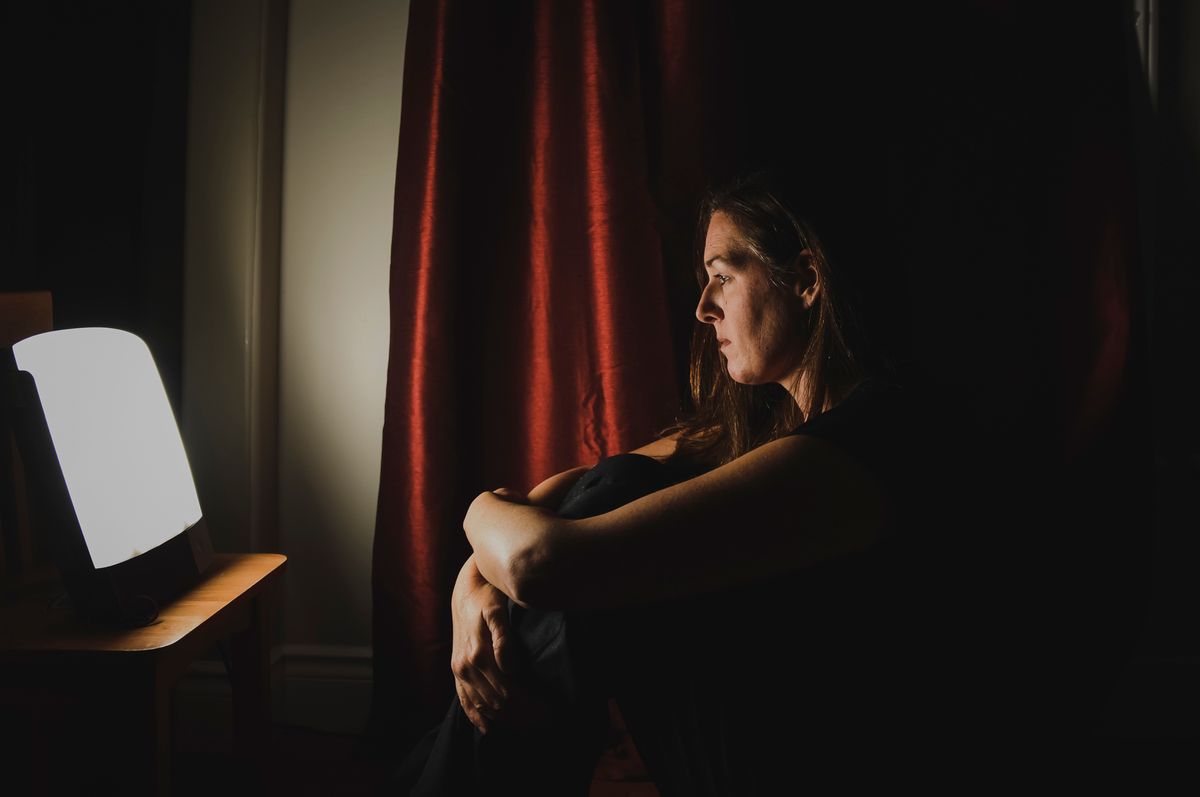
Seasonal Affective Disorder is thought to be linked to reduced exposure to natural light(Image: Cavan Images / Getty Images)
She added: “One of the most important things I encourage people to do in January is to be kinder to themselves. Winter is not the time for unrealistic expectations or pushing yourself to feel upbeat all the time. Instead, focusing on comfort, routine and gentle support can make a meaningful difference.”
See below for the full list of the top 10 places in Britain where January blues are hitting the hardest according to British Gas.
Britain’s 10 ‘saddest’ towns
- Norwich
- Stoke
- Swansea
- Manchester
- Edinburgh
- Glasgow
- Oxford
- Bristol
- Plymouth
- Cambridge