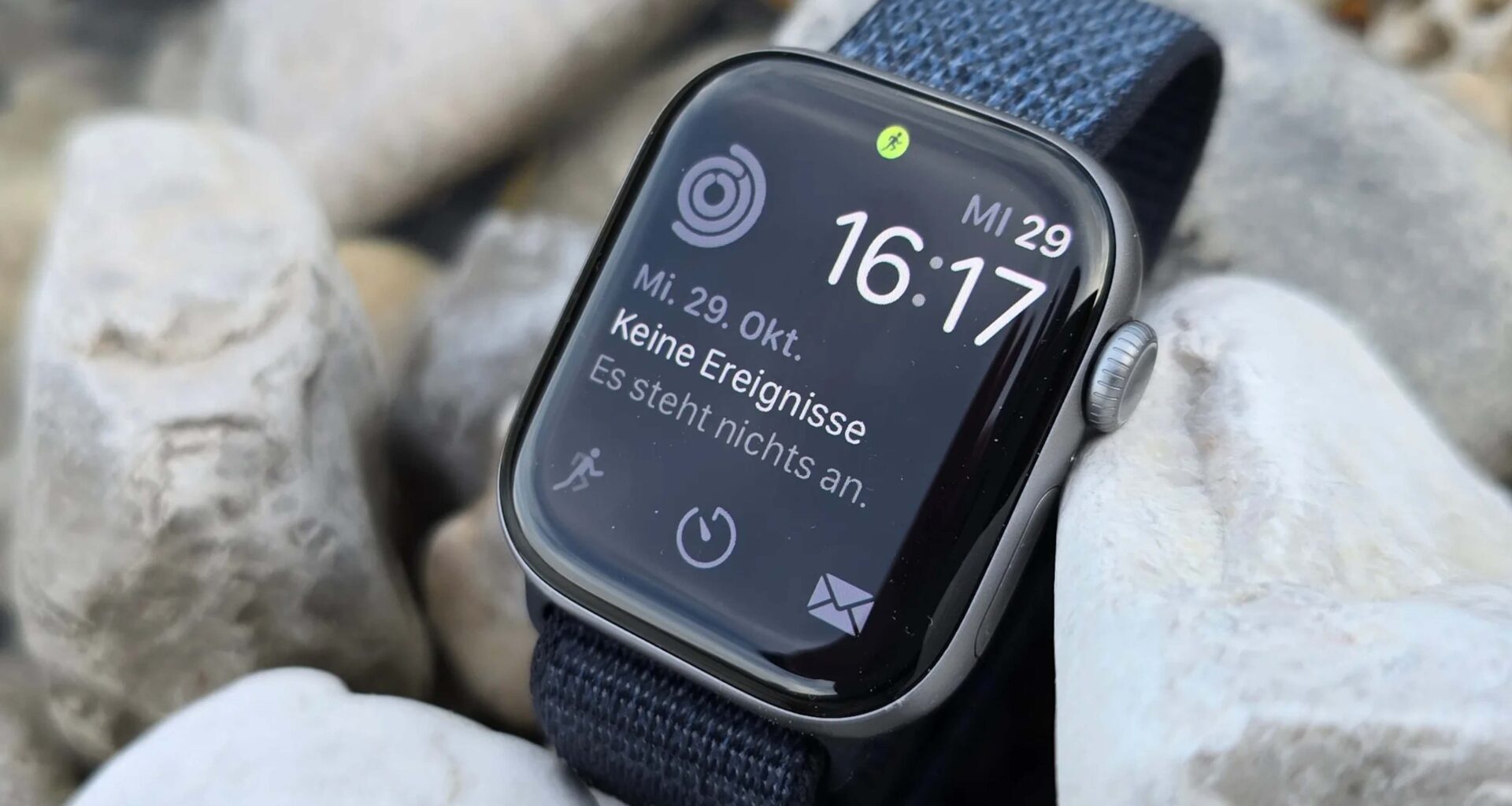
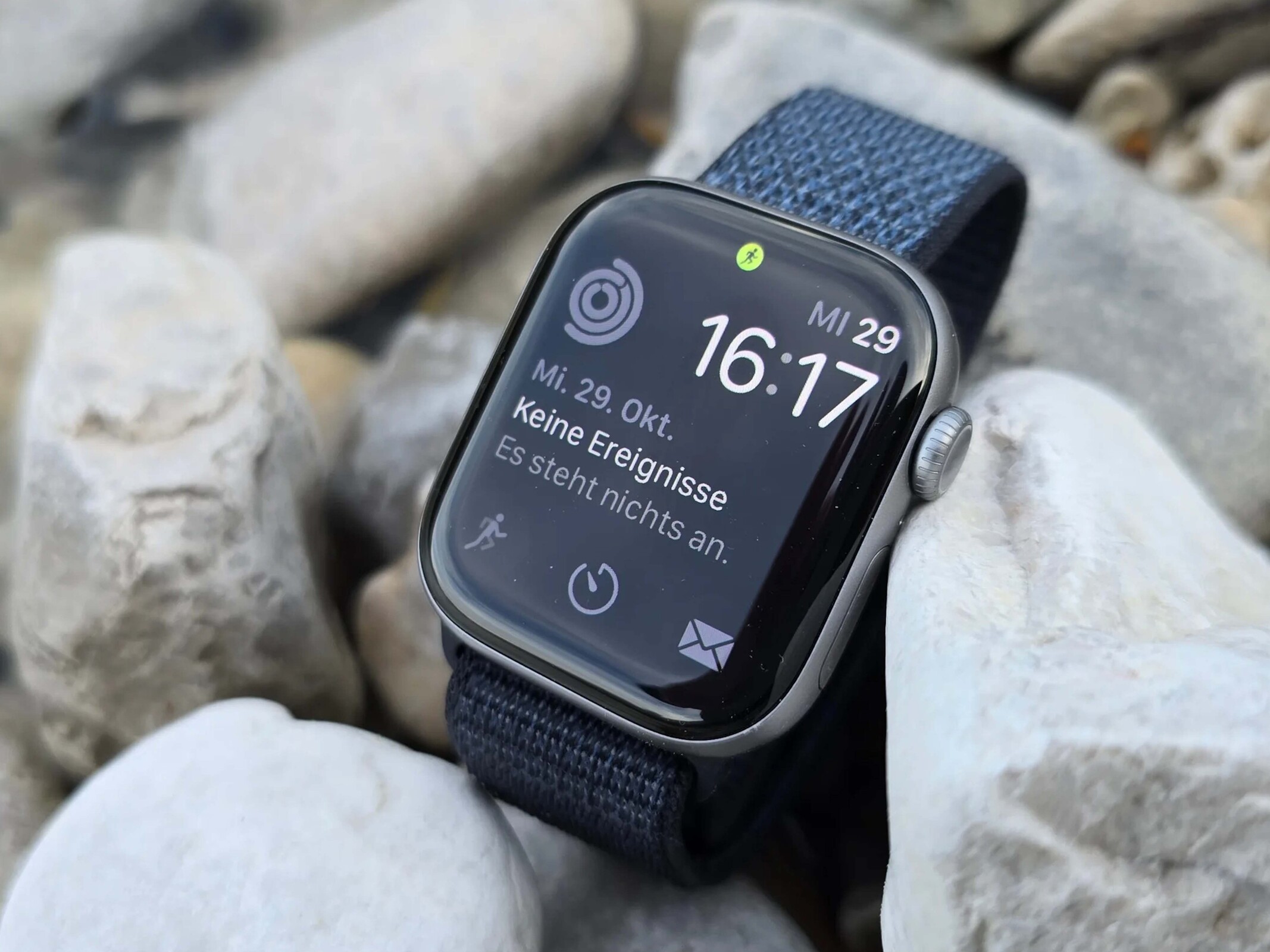
 The Apple Watch can detect atrial fibrillation. (Image source: Benedikt Winkel, Notebookcheck)
A new study shows that the Apple Watch can warn of heart problems and thus potentially save lives. Using a wearable device even offers advantages over routine checkups with the doctor.
A new study shows that the Apple Watch can reliably detect atrial fibrillation. The randomized study included patients over 65 years of age with an increased risk of stroke and compared standard treatment in the Netherlands with wearing an Apple Watch. It’s important to note the limited sample size of 437 participants, with a median age of 75. A differently structured cohort could yield different results, but the core findings would likely remain the same.
The study examined the detection of atrial fibrillation over a six-month period. The Apple Watch was essentially pitted against standard treatment in the Netherlands, namely a visit to the doctor or GP. The results showed that after six months, atrial fibrillation was detected in 9.6% of patients using the Apple Watch, compared to 2.3% in the control group, a statistically significant difference.
The ECG function and the PPG sensor of the smartwatch were used. The results are hardly surprising, as atrial fibrillation does not always occur continuously and may not even be noticed by those affected. Even if a smartwatch is less likely to detect a single episode than a doctor, the probability of correctly identifying a single episode over a long period is greatly enhanced by the fact that a wearable device is typically worn for many hours a day. Hence, the probability of atrial fibrillation being detected during a routine medical examination can be quite low. The Apple Watch was also able to detect asymptomatic atrial fibrillation.
However, the results also show that the Apple Watch isn’t always accurate: almost half of the warnings generated turned out to be false positives. As explained in a previous article about the Apple Watch’s high blood pressure feature, such a warning is not associated with any negative consequences, apart from possible uncertainty and wasted time at the doctor’s office.

I have been active as a journalist for over 10 years, most of it in the field of technology. I worked for Tom’s Hardware and ComputerBase, among others, and have been working for Notebookcheck since 2017. My current focus is particularly on mini PCs and single-board computers such as the Raspberry Pi – so in other words, compact systems with a lot of potential. In addition, I have a soft spot for all kinds of wearables, especially smartwatches. My main profession is as a laboratory engineer, which is why neither scientific contexts nor the interpretation of complex measurements are foreign to me.
 Translator: Jacob Fisher – Translator – 2735 articles published on Notebookcheck since 2022
Growing up in regional Australia, I first became acquainted with computers in my early teens after a broken leg from a football (soccer) match temporarily condemned me to a predominately indoor lifestyle. Soon afterwards I was building my own systems. Now I live in Germany, having moved here in 2014, where I study philosophy and anthropology. I am particularly fascinated by how computer technology has fundamentally and dramatically reshaped human culture, and how it continues to do so.