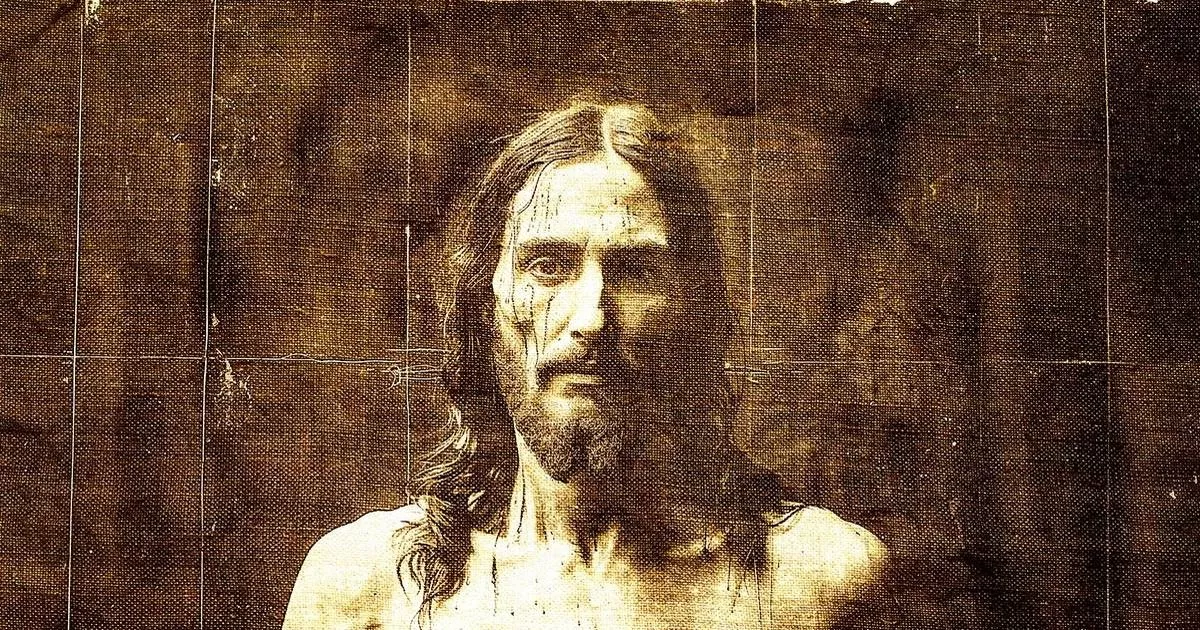
A new 3D digital analysis suggests the Turin Shroud was likely created by a medieval artist using a shallow sculpture method, rather than being the actual burial cloth of Jesus Christ
Emilia Randall GAU Writer
13:00, 23 Jan 2026
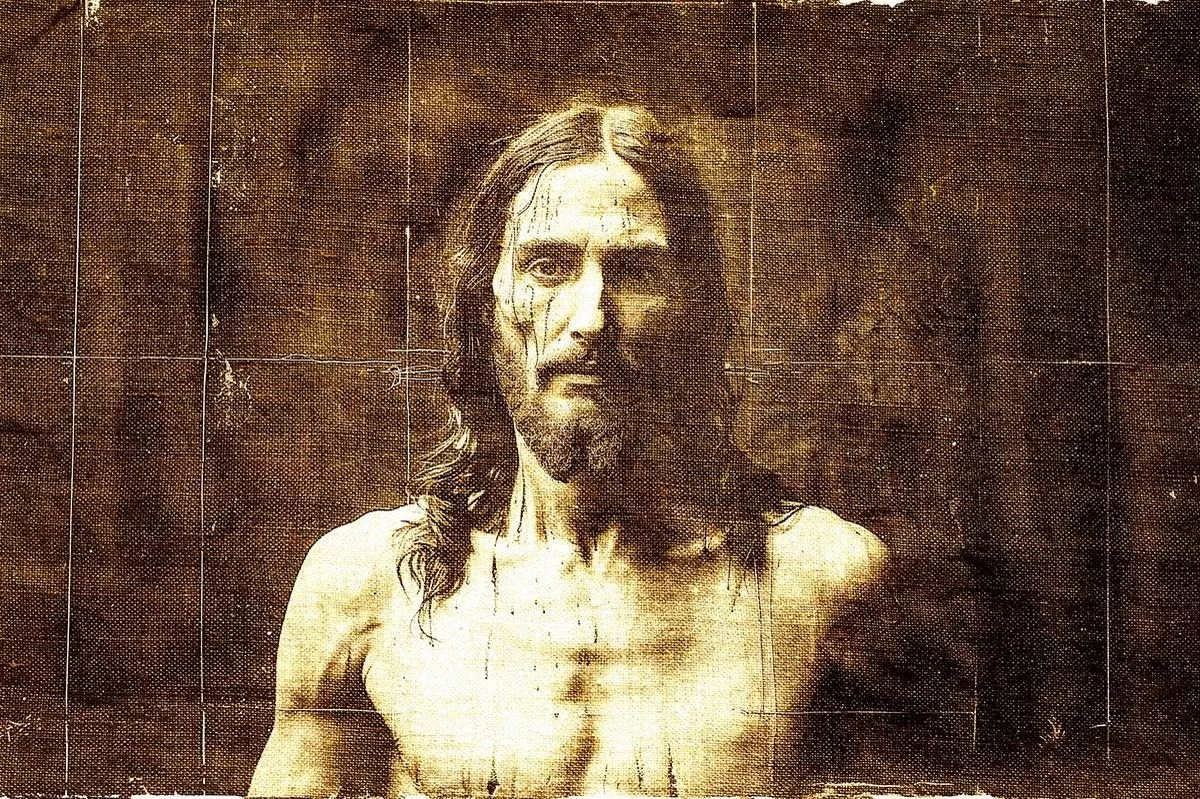
Michael Moran used AI to reveal more of the cloth’s history(Image: )
In a startling revelation, researchers have employed AI technology to expose a glaring impossibility regarding the Shroud of Turin – long believed to be Christ’s burial cloth.
A groundbreaking new 3D digital examination suggests the ancient fabric was probably not marked by Jesus Christ’s face, but rather crafted by a medieval artisan as homage to the sacred occurrence.
Previously, it was believed the shroud bore Jesus’ facial impression following his crucifixion and entombment.
Nevertheless, a Brazilian digital graphics specialist has now challenged this hypothesis, as reported in Archaeometry.
Cicero Moraes utilised free modelling software including MakeHuman, Blender, and Cloud Compare to illustrate how fabric would react when positioned over both a human form and a sculpture created on a level surface with shallow, elevated sections.
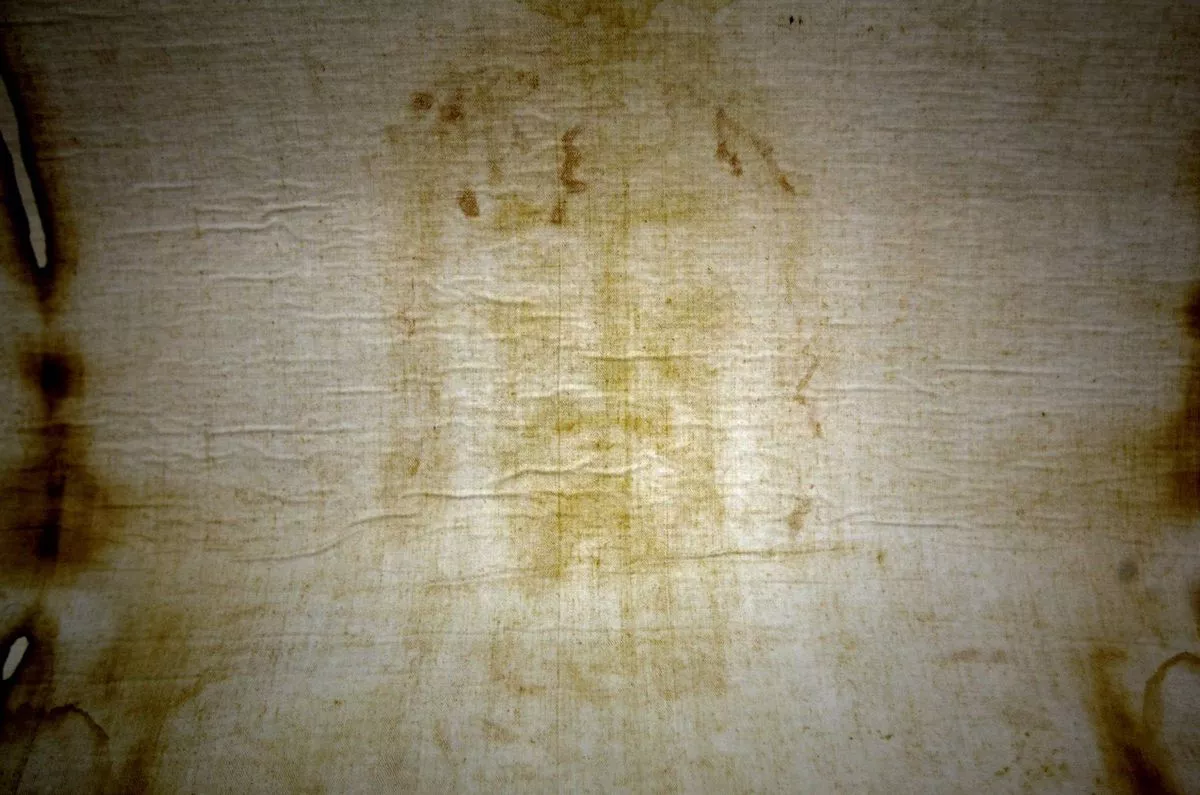
The linen cloth was thought to have wrapped the body of Jesus Christ(Image: AFP via Getty Images)
The Turin Shroud, spanning 14.5 feet by 3.7 feet, displays a faint outline of a male figure bearing injuries compatible with crucifixion death, reports the Mirror US.
For generations, the cloth was considered a sacred artefact from over 2,000 years past.
Despite doubts concerning the authenticity of this account – the story has endured through time – since the artefact first emerged in the 14th century.
In 1989, radiocarbon dating analysis dated the shroud’s creation to the medieval era between 1260 and 1390 CE.
Though subsequent studies challenged these conclusions, proposing that the specimen may have originated from a mended portion of the material, the initial narrative persisted as accepted fact.
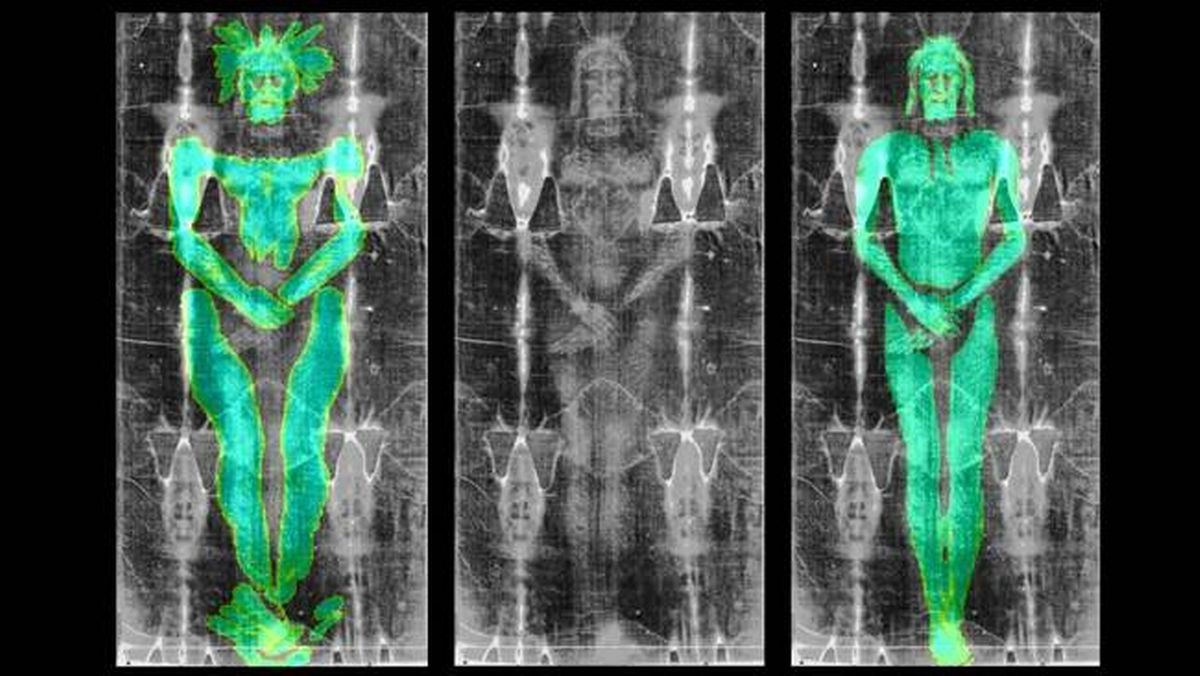
Moraes used specialised 3D imaging to dissect the material(Image: Cicero Moraes)
In Moraes’ latest digital examination, the image produced when fabric was digitally placed over a 3D human figure differed dramatically from the shroud itself.
The figure appeared distorted, broader and deformed due to what would occur when material rests upon an actual body.
This distortion is termed the “Agamemnon Mask effect,” taking its name from the broad golden burial mask unearthed at Mycenae, an ancient Greek archaeological location. Conversely, the impression from a shallow-relief carving closely corresponded with the shape and measurements of that found on the Turin Shroud.
Moraes noted: “The contact pattern generated by the low-relief model is more compatible with the Shroud’s image. It shows less anatomical distortion and greater fidelity to the observed contours.”
He explained how a shallow carving, perhaps crafted from timber, stone, or metal, would probably have functioned as a template to achieve the required result.
Subsequently, heat or pigment may have been applied solely to the raised portions of the surface to form the outline of Jesus’s likeness.
Moraes stated that this technique would account for the smooth, level image of the Shroud, contrasting with the warped outcome one might expect from wrapping material around an actual human form.
Moraes proposed there was a slight possibility the cloth may have been taken from an authentic corpse covering – his findings support the carbon dating of 1989.
Moraes did not examine the material itself nor the potential process employed, but concluded the artefact should be interpreted as a “masterwork of Christian art.”
This artistic representation is consistent with the era. During the medieval period, subtle depictions of religious figures were commonplace across Europe and shallow carvings were frequently used by Medieval artists.