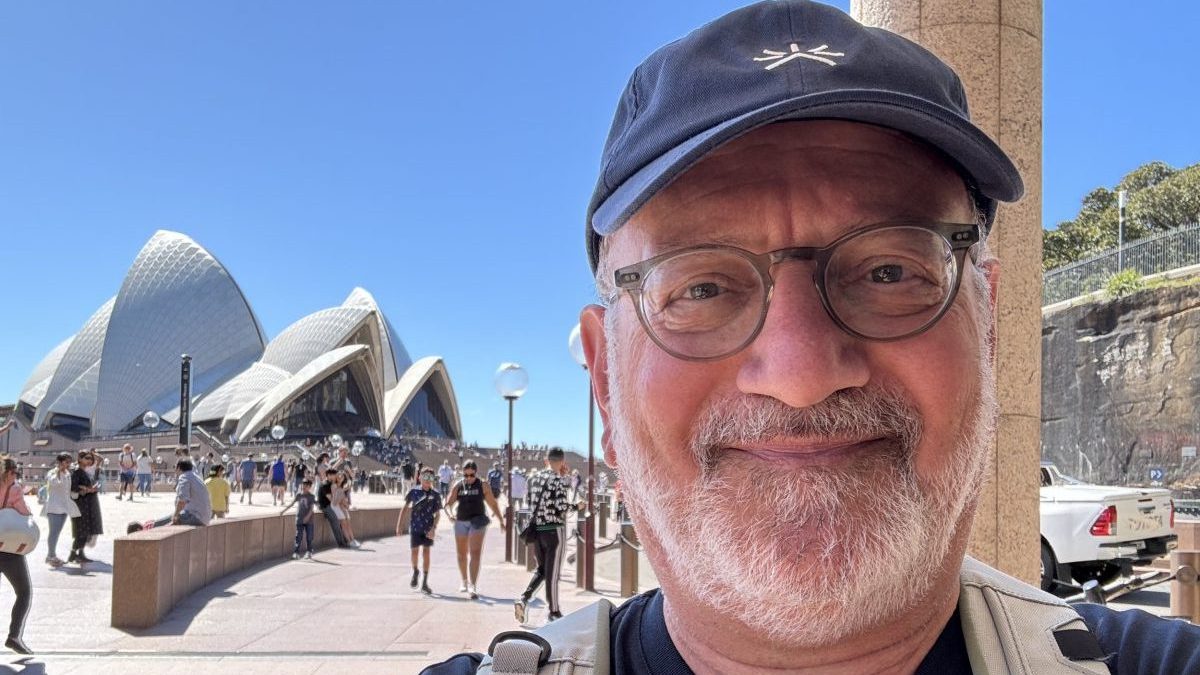
George Jerjian, now 70, took a ‘retirement gap year’ after he was given six months to live at the age of 52
George Jerjian chose to spend over £50,000 travelling around the world for 80 days of his retirement, instead of saving into his pension.
The now 70-year-old author and former businessman took the trip in 2018, a decade after stepping away from full-time work, and says it was one of the most deliberate money decisions he has made since retiring.
In total, he splashed out around £40,000 in travel and accommodation, with a further £8,000 on food and other expenses during his trip where he visited countries including New Zealand, Australia and Canada.
New FeatureIn ShortQuick Stories. Same trusted journalism.
The biggest costs were not the flights, but the time and distance, he said. His round-the-world ticket, covering all destinations, came in at around £5,000 for economy class – far lower than he expected.
He decided to take what he calls a “retirement gap year” after he was forced into retirement when he was diagnosed with a bone tumor in 2007 at the age of 52.
He said: “I was given just six months to live. Thankfully, further investigation revealed that the tumor was benign and local.
“Nevertheless, it required two operations followed by six months of rehabilitation as I learnt to walk again.
“As you can imagine, an experience like this can’t help but teach one things, and for me, the lesson was that time is more important than money.”
Rather than treating it as a blow-out, George, who has since “unretired”, managed his day-to-day spending carefully, keeping costs down by avoiding high-end hotels and restaurants.
In countries with a lower cost of living, particularly South Africa, that approach meant his money went further than it would have at home, while occasional indulgences were planned rather than impulsive.
He treated himself to a meal at a fancy French restaurant in Quebec, and a flight over the Southern Alps in New Zealand, which he said was “worth every penny”.
The funding for the trip arrived unexpectedly as years earlier, George, who studied at Bradford University, had sold a share in a US property investment and unknowingly overpaid tax, a mistake that took several years to resolve.
He added: “Then one day, [as] I was doubting my trip, the money turned up in my account. $50,000 (roughly £37,000) with three years’ worth of interest included at 8 per cent. I suddenly had all the funds I need for my trip.”
From a financial point of view, George had options. He had a personal pension and savings and did not need to draw down his pension immediately, preserving long-term income.
As it became clear he would live much longer than expected, full retirement turned into semi-retirement, allowing him to balance income with recovery.
10 years on, he concluded that semi-retirement without purpose was not sustainable, either emotionally or financially. He described that period of his life as a “recipe for misery” due to boredom.
Instead of carrying cash whilst he was abroad, George relied on a prepaid Caxton travel card loaded with multiple currencies. He kept around £10,000 split across five currencies which helped him avoid fees and keep spending predictable across borders.
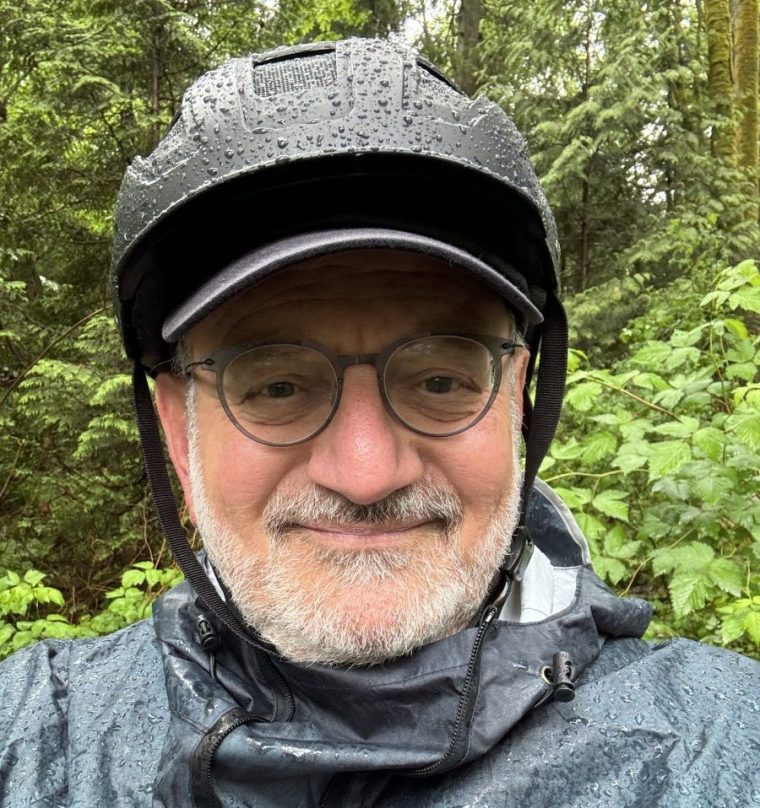 During his trip, George managed his day-to-day spending carefully, keeping costs down by avoiding high-end hotels and restaurants
He believes his experience highlights a wider problem facing many retirees, particularly as people live longer and pension pots are stretched further.
George, who now works as a consultant for other retirees, said: “If more people thought about retirement planning, they’d realise it’s a broken system. Most people don’t have enough money for a full retirement.
“I realised this and that I needed to use retirement funds to upgrade myself and learn new skills. As we get older, we need to be inventive and creative.
“Most people will outlive their savings but there are always options if you’re worried about this, like using part of a pension pot to see who you want to be in this new stage of life.
“The thing about retirement is that your old identity is gone. You’re not a retired doctor or a retired lawyer or something else, you’re just retired.
“Some people might be hesitant to do this but, for most people, if you stay where you are, you will outlive your savings, so there’s a problem guaranteed with that option.
“If you invest in yourself however, and remake yourself, who knows where it could lead? I know it’s led me to building an audience and authoring 12 books.”
Looking back, he says he would not change how he funded the trip. His advice to others considering something similar is focused on cost control and planning.
He explained: “Don’t rely on your own knowledge alone. Use a travel agent to minimise the odds of things going wrong, set a budget and use a travel card for frictionless travel.”