
Around two million people take the prescription and over-the counter painkiller dailyNeil Shaw Assistant Editor (Money and Lifestyle)
10:56, 25 Jan 2026

The pill was prescribed for years until the advice changed(Image: )
Anyone taking a daily dose of aspirin has been warned that there can be serious side effects, and the benefits may be outweighed by the dangers. Aspirin, invented in the 1890s and sold over the counter as a painkiller, was prescribed by doctors for years as a preventative for heart disease.
According to MailOnline, more than two million people in the UK take aspirin every day to protect their hearts. The painkiller also works as a blood thinner, reducing the risk of heart attacks and strokes. But more recent research shows it has little benefit for people who do not have existing cardiac or circulatory problems.
The potential side effects of taking a low dose of aspirin could outweigh the benefits if you haven’t previously had a stroke or heart attack. According to the NHS, common side effects include indigestion and bleeding more easily.

Millions take a daily dose as a preventative measure(Image: )
More serious side effects, which mean you need to contact a doctor immediately, include coughing up blood, blood in the toilet, skin or eyes turning yellow as a sign of liver problems, painful joints as a sign of high levels of uric acid in the blood and swollen hands or feet indicating water retention.
You can also get stomach ulcers and some people will suffer an a;l;ergic reaction. The Mail says that in the early 2000s – when aspirin prescriptions were at an all-time high – the drug may have contributed to 7,000 deaths a year in the UK. There are fears it could increase the risk of brain bleeds.
In 2021 the official guidance was updated to say people should only take aspirin daily if a doctor recommends it, and in 2023 GPs were told not to routinely prescribe aspirin if someone has never had a heart attack.
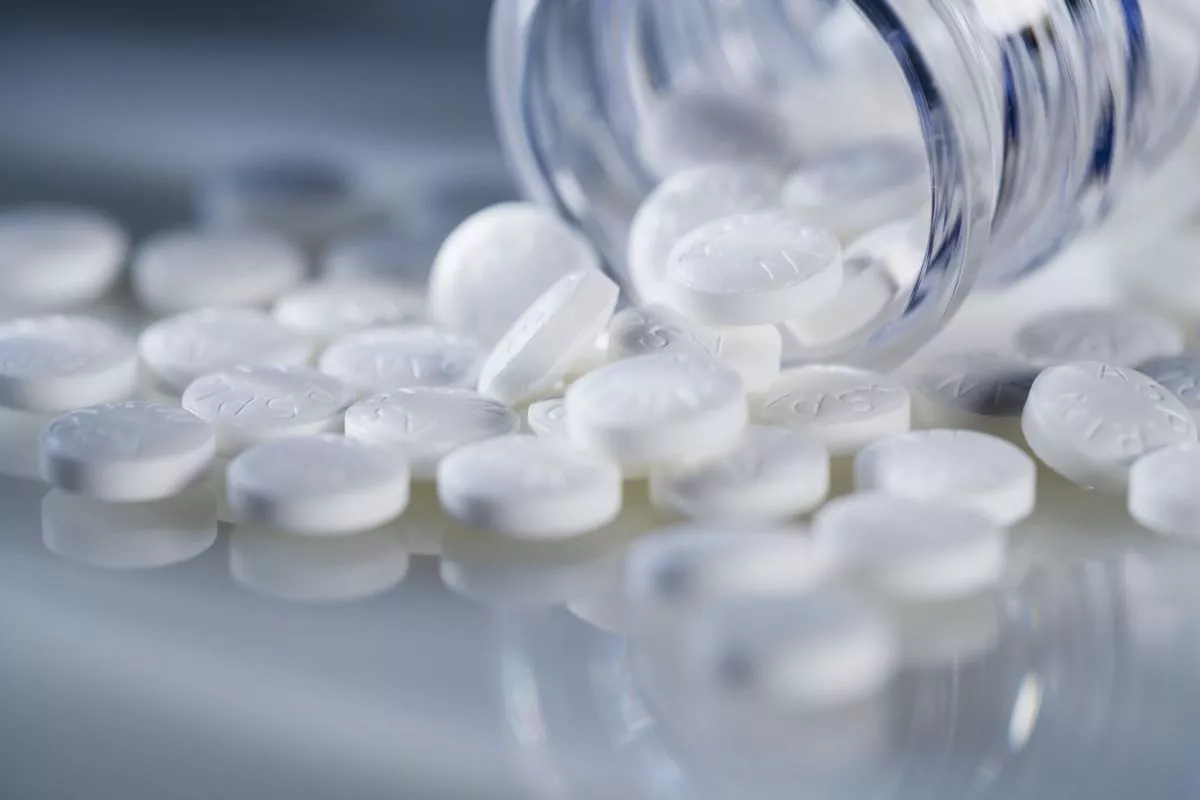
The pills are easily available on the high street(Image: )
The NHS still recommends daily aspirin for those who have had a stroke or heart attack – and anyone advised to take it by a doctor should not stop without seeking medical advice.
A 2019 study by the UK’s National Heart and Lung Institute found that the benefits of daily aspirin are ‘limited’ for people with no underlying heart problems, while it increased the risk of serious internal bleeding.
Professor Malcolm Finlay, consultant cardiologist at Barts Heart Centre in Central London, told the Mail: “For patients who’ve suffered a heart attack or stroke in the past, then there’s still a good argument for taking daily aspirin. But, for everyone else, there’s very little benefit.”

Aspirin is derived from willow(Image: )
He said the side effects of aspirin are serious, adding “These side effects are no joke. You could have a bleed in the stomach, which can be a horrid few days of pain. Or, if the bleed happens in the brain, that could be life-threatening.”
Professor Finlay says he himself suffered a major stomach bleed while taking aspirin for a back injury.
GPs who prescribe aspirin often also prescribe omeprazole or lansoprazole to guard against the side effects. But Prof Finlay said: “Aspirin and anti-acid drugs like omeprazole should not be taken long term. There’s a reason why the NHS doesn’t recommend using aspirin in this way any more. We have much better cardiovascular treatments that don’t have these negative effects.”
Common side effects of aspirin
These affect more than 1 in 100 people. The NHS suggests taking aspirin with food to help minimise stomach-related issues.
- Indigestion and stomach aches: This is the most frequent complaint.
- Bleeding more easily: You may notice more frequent nosebleeds, bruising, or that cuts take longer than usual to stop bleeding.
- Nausea or vomiting: Feeling or being sick.
Serious Side Effects
While rare, these require medical attention. You should contact a doctor or call 111 immediately if you experience:
- Signs of internal bleeding: Coughing up blood, or blood in your urine, vomit, or stools (which may look black or tarry).
- Liver problems: Yellowing of the skin or the whites of the eyes (jaundice).
- Joint pain: Specifically in the hands and feet, which can indicate high levels of uric acid (potentially triggering gout).
- Swollen hands or feet: This can be a sign of water retention.
Immediate Emergency Symptoms
Call 999 or go to A&E immediately if you have:
- Anaphylaxis (Serious Allergic Reaction): Swelling of the lips, mouth, throat, or tongue; difficulty breathing; or a skin rash that is swollen, itchy, or blistered.
- Severe wheezing: Especially if you have asthma, as aspirin can trigger an attack.
Important Safety Warning
- Under 16s: The NHS strongly advises never giving aspirin to children under 16 (unless specifically prescribed by a doctor) due to the risk of Reye’s syndrome, a rare but life-threatening condition that causes serious liver and brain damage.