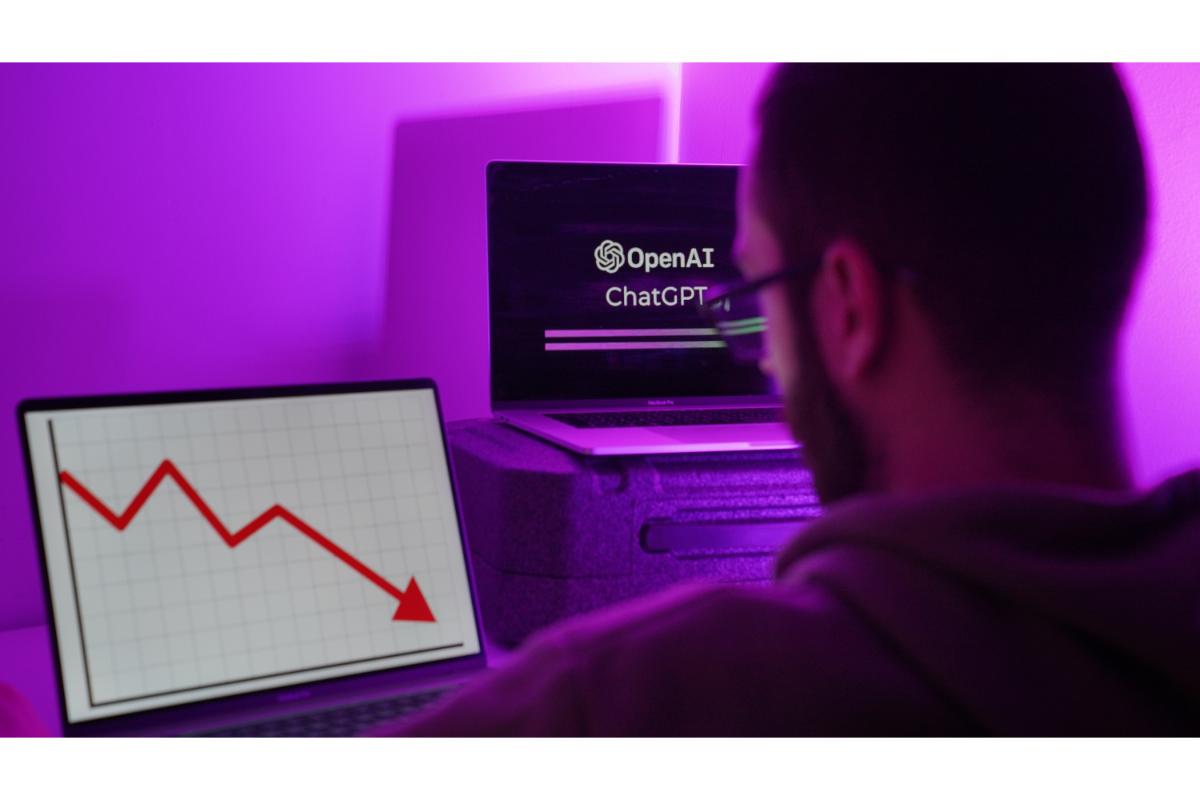
It rewired offices and classrooms, yet a leading expert says the countdown on ChatGPT has already begun. When the world’s most talked-about bot meets a bill it cannot dodge, who decides its fate?
ChatGPT reset expectations for what software can do, yet the lab behind it is wrestling with arithmetic that’s hard to make work. Sebastian Mallaby warns that OpenAI’s cash burn could force a reckoning within roughly 18 months, as compute costs outrun revenue. Rivals like Google and Meta can subsidize AI with sturdy cash engines, while OpenAI leans on subscriptions and fresh capital, leaving a tie-up with a heavyweight such as Microsoft or Amazon on the table. Even so, businesses are already seeing returns from AI, and the question now is whether the economics catch up before independence slips away.
Is the end of ChatGPT near?
ChatGPT stormed onto the tech scene over the past three years, becoming one of the most talked-about AI tools in recent memory. Its ability to generate human-like text brought AI mainstream attention and placed OpenAI, its creator, at the forefront of artificial intelligence innovation. Yet, behind this success sits a mounting financial strain. Analysts warn that OpenAI might not remain independent for much longer, as its current resources may not cover the costs required to sustain its ambitions.
A widening gap: OpenAI’s financial predicament
Few grasp the staggering costs behind ChatGPT’s smooth operations. According to Sebastian Mallaby, a senior fellow at the Council on Foreign Relations, OpenAI’s spending already exceeds its income. He estimates the organization could face a major financial shortfall within the next 18 months if current trends persist. The core issue lies in the expense of massive computational systems. Even substantial investment rounds and subscription revenue have not fully bridged this gap.
Cutting-edge algorithms and rapid adoption may still fall short against the relentless costs of running frontier models. Without a material shift in the business model, OpenAI risks echoing cases like WeWork, where aggressive scaling without durable financial footing led to severe setbacks.
A tough landscape and tougher competition
OpenAI faces rivals with broader buffers. Tech giants such as Google and Meta can finance AI through diversified, stable income streams, while OpenAI leans heavily on user subscriptions and ongoing fundraising. At the same time, cloud infrastructure and research expenses remain elevated, tightening the vise.
These pressures heighten the likelihood of strategic outcomes beyond organic independence. Observers suggest that an acquisition or merger could emerge, with companies like Microsoft or Amazon well positioned to absorb OpenAI. Such a move could secure ChatGPT’s continuity but would likely end OpenAI’s autonomy as a standalone entity.
What happens to the AI revolution?
The situation underscores a broader question about the sustainability of current AI growth models. Critics often argue that the tech sector chases short-term hype rather than long-term stability. Yet tools like ChatGPT continue to deliver value, supported by research from the Wharton School indicating strong ROI for businesses adopting AI solutions. The relevance of AI is clear, while the path to operating it sustainably at scale remains unsettled.
As this financial timeline advances, OpenAI’s fate could shape industry norms, either reinforcing caution around capital-intensive AI or catalyzing new approaches to funding and deployment.