I’m often mocked by my family as being a sucker for new technology. If there’s a gadget that looks fun, let alone might actually be useful, I want it. I am one of those saddos who counts down the days until the latest iPhone comes out, which I have — of course — already ordered. And I get ludicrously excited when there’s an updated operating system for my Apple Watch.
Mock all you like — it’s water off a duck’s back because my Apple Watch just saved my life.
Specifically, the heart monitor may have saved my life. At the very least, it prevented big trouble — my euphemism for a heart attack — by alerting me to my heart racing to a dangerous 120 beats per minute (bpm) while I was in bed, suffering from extreme dizziness. As the doctor who ended up treating me put it, “You need to say a very big thank you to your watch. You might not have been here without it.”
A week or so ago I started to cough. Within a couple of days it became one of those dreadful affairs that drains your whole body when you heave and makes it difficult to catch your breath. Eventually, when it stopped me working, I realised I should see the GP. I have a private GP nearby and booked an appointment for that same morning.
• Apple Watch or Oura ring? What your wellness wearable says about you
The medical centre is nothing if not thorough and I first saw a nurse who did the usual blood pressure and oxygen tests. Crucially — this is the plot twist — he asked me if I was taking any medications. I am: I have leukaemia and am on a form of targeted chemo that involves me taking what I call my miracle pill every evening, along with three other medicines to tackle the side-effects. It’s a bog-standard form of leukaemia, which means there is lots of research into it, and the pill means my bloods are almost normal while the side-effects are paltry compared with other forms of chemo. Perhaps the life-changing benefit I’ve had from this form of medical technology is one reason why I love other forms of technology.
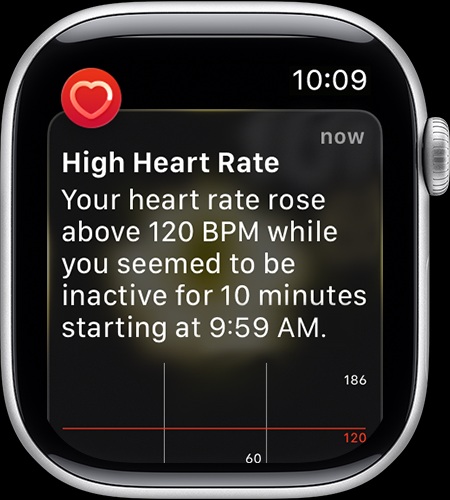
An Apple Watch can detect abnormally high heart rates
On to the GP, who as I expected diagnosed a chest infection and prescribed some antibiotics. The surgery has the details of what meds I’m on but I am always hypervigilant about these things for obvious reasons and so repeated the list. Antibiotics in hand, I went home and rested.
That evening I started to get a bad headache, which I assumed was the result of the heaving and shaking from the cough. Hopefully a good night’s sleep would put paid to it.
I didn’t get a good night’s sleep. The headache went but instead I developed extreme nausea. It felt as if my brain was floating but being pushed around, like the worst seasickness imaginable, made worse by the heaving when I coughed. If I tried to get up (I am a man in my sixties and night-time peeing is a thing) it felt 20 times worse. I just couldn’t do it.
I’m used to various ailments and most of the time find the real solution is time. Sleep it off. Wait for it to pass. So that’s what I tried to do. But the hours passed and it didn’t ease — it got worse.
I now know that lying there waiting for it to pass was a big mistake. The nausea would not have passed: it was a product of my heart rate having soared to over 120bpm. I live on my own and a heart attack in bed could have killed me.
At about 5pm my sister called. I managed to blurt out some words and she swung into action. A quick search showed that there is a red flag right at the top of pretty much all info about the antibiotic I had been given, specifically warning about combining it with the chemo pill I was on. Despite that being on my records and my telling both the nurse and the GP, they ignored the info.
I called the medical centre back and spoke to another GP. He cut to the chase. Stop taking the antibiotic, which should never have been prescribed. More urgently, was I suffering heart palpitations?
The previous night I’d had a warning message from my Apple Watch that my heart rate was over 120bpm, despite my sitting still. A combination of the fact I was in bed with a massive headache and not thinking properly, and my — with hindsight idiotic — assumption that the warning was just because I was coughing and shaking like a maniac, meant I ignored it. As I ignored the subsequent warnings.
• Gen Zzzs: Is ‘sleep tech’ really on a par with fitness trackers?
But when the GP asked about palpitations, I remembered the watch’s heart-rate warnings. Suddenly he seemed a lot more concerned. It was vital that the rate started to come down now I had taken my last dose. If that happened, the nausea would start to lift and I would be on the mend. But if the rate didn’t fall, damage had already been done. Until then I needed to be monitored at least every hour to check.
The fact I am here now, writing this, tells you it was good news. The rate started to come down within hours. I am still a little weak and my head is best described as heavy. I should be normal in a few days. And there has been no impact on the chemo. It’s as if I have simply missed a few doses, which isn’t a big deal.
But I do have one message: if you don’t already, please think about wearing a smartwatch or a fitness device. You might not like the idea but you never know when it might save your life.