Key takeaways
- Higher coffee prices don’t automatically incentivise investment in coffee quality.
- Market volatility increases financial risk, making it harder for producers to predict income and plan ahead.
- Traders, roasters, and consumers are also price sensitive and will often trade down.
- Long-term stability, not short-term price spikes, best supports coffee quality.
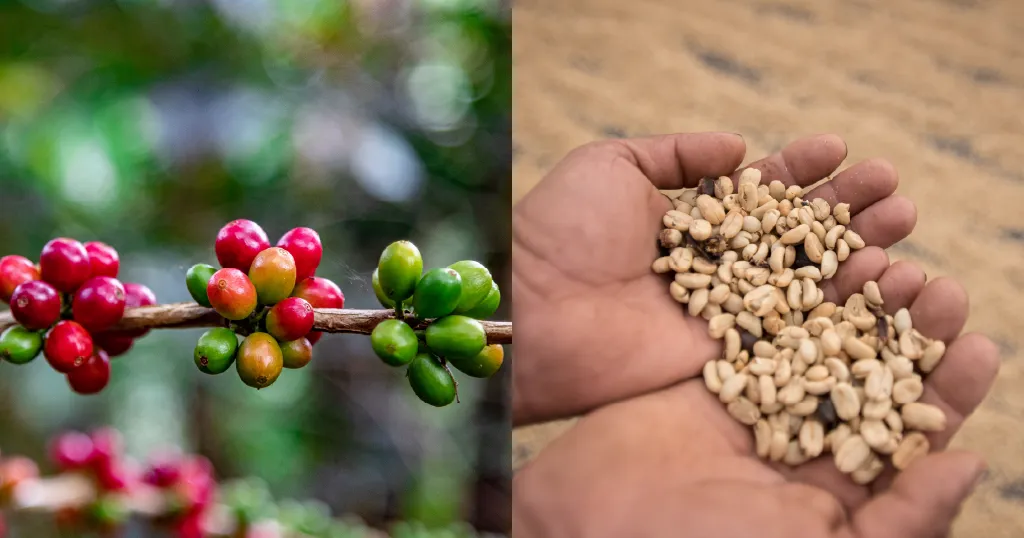
Higher coffee prices are often assumed to be good news for quality. The logic seems simple: if producers receive more money, they should be able to invest more in farming, processing, and quality improvement.
But in reality, higher prices don’t lead to consistently higher-quality coffee – and in some cases, they may reduce the incentive to grow it. This is because when market prices rise sharply, producers can earn stronger returns by selling undifferentiated coffee without incurring the extra costs and risks associated with specialty coffee production.
At the same time, roasters and traders facing higher costs often reduce quality requirements to manage margins and protect consumer demand. The result is a market where price increases are driven by scarcity and volatility rather than quality investment.
This dynamic became increasingly apparent when arabica prices surged to record levels in early 2025. Although they have since declined and stabilised, ongoing US-Latin American political tension and improved weather outlook in Brazil could drive them higher again.
You may also like our article on how record coffee prices don’t necessarily make producers price makers.
 Price volatility creates more risk for producers
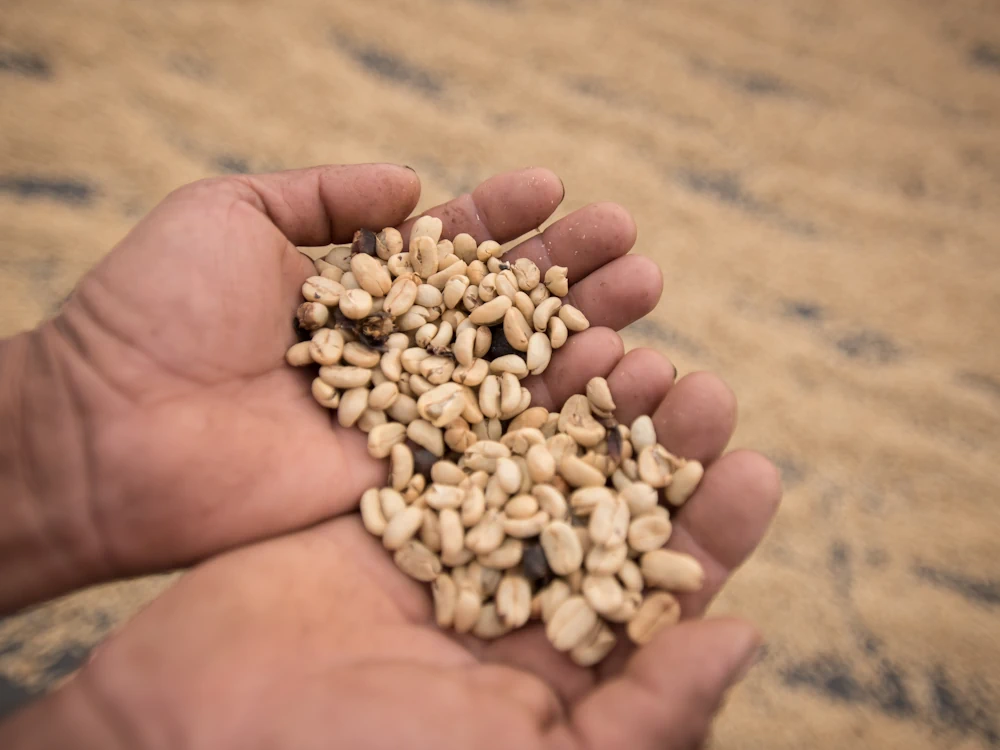
One of the major challenges posed by higher coffee prices is volatility. For coffee producers, this makes income unpredictable and financial planning extremely difficult.
“In August 2025, the price variance between the highest and lowest points within the month was 40%,” says Jorge Cuevas, Chief Coffee Officer at Sustainable Harvest Coffee. “Imagine trying to run the family budget, let alone the business of growing coffee, when your income can vary by up to 40% in a single month.”
Timing also matters. Coffee is often purchased from farmers months before export contracts are finalised. During that window, global prices and foreign exchange rates can shift dramatically.
“Christopher Feran recently pointed out that cherry price and FX rate must also be considered. In Ethiopia last year, for example, coffee cherries were purchased from October to January, while contracts were registered from December to March,” explains Kosta Kallivrousis, Senior Supply Chain Advisor at Age of Coffee. “The difference between these two time periods is almost US$2/lb. The FX rate lost value over this time period, making the amount paid to farmers even less.”
At the same time, production costs are increasing. Fertiliser prices have risen, labour shortages persist, and climate volatility has made coffee production more expensive and risky. In many regions, higher farmgate prices are largely offset by these growing costs.
 Why high prices can reduce quality incentives
Producing high-quality coffee requires additional labour, time, and infrastructure. Selective harvesting and careful processing both involve higher risk and upfront investment.
Historically, producers have pursued quality differentiation when commodity prices were low.
“The vast majority of coffee farmers look to differentiated markets as a way to escape coffee pricing that won’t pay above the cost of production,” Kosta explains.
So when market prices are high, that incentive often disappears. Producers can earn strong returns by quickly selling commercial-grade coffee, without the uncertainty associated with experimental processing and micro lots.
When producers expect prices to fall again, many prioritise short-term financial security over long-term investment. “They look to cash in quickly because they know, historically, a period of higher prices won’t last long,” Kosta adds. “Ironically, a high-priced market is historically terrible for incentivising and supporting quality coffee.”
High prices also influence buyer behaviour. Specialty green coffee traders and roasters, facing higher baseline costs, are increasingly cautious about paying additional premiums.
“Since prices are so high, some specialty buyers are lowering their quality expectations,” says Neil Oney, Green Coffee Quality Manager at StoneX Coffee. “Many, but not all, are less likely to spend extra on micro lots when they’re spending micro lot prices on blenders.”
Consumer behaviour changes, too. Data indicates that when the C market is high, and roasters raise their prices, consumers tend to purchase lower-quality coffee.
Kosta also cites the example of trade prices during the pandemic. The Sustainable Coffee Transaction Guide reported a 20% decrease in higher-quality specialty coffees (84+ points) and a 17% increase in regular specialty coffees (80-83 points).
When commercial-grade coffees can sell for over US$4lb – similar to what specialty-grade micro lots achieved in some markets only a year earlier – the financial reward for producing exceptional coffee becomes marginal. This shift risks flattening quality differentiation across the market.
 Searching for stability and long-term solutions
The C price has fallen from record highs in recent weeks. illycaffè predicts that it will stabilise between US$2.80 and US$3/lb in the second half of 2026, although this remains above the average of the past five years.
Rabobank also reports that political instability between the US and South America could push prices higher. The recent US military operation in Venezuela has drawn criticism from Brazilian President Lula and Colombian President Petro, which could disrupt coffee trade between the countries. The reinstatement of tariffs, including the previous 50% on Brazil, could be disastrous.
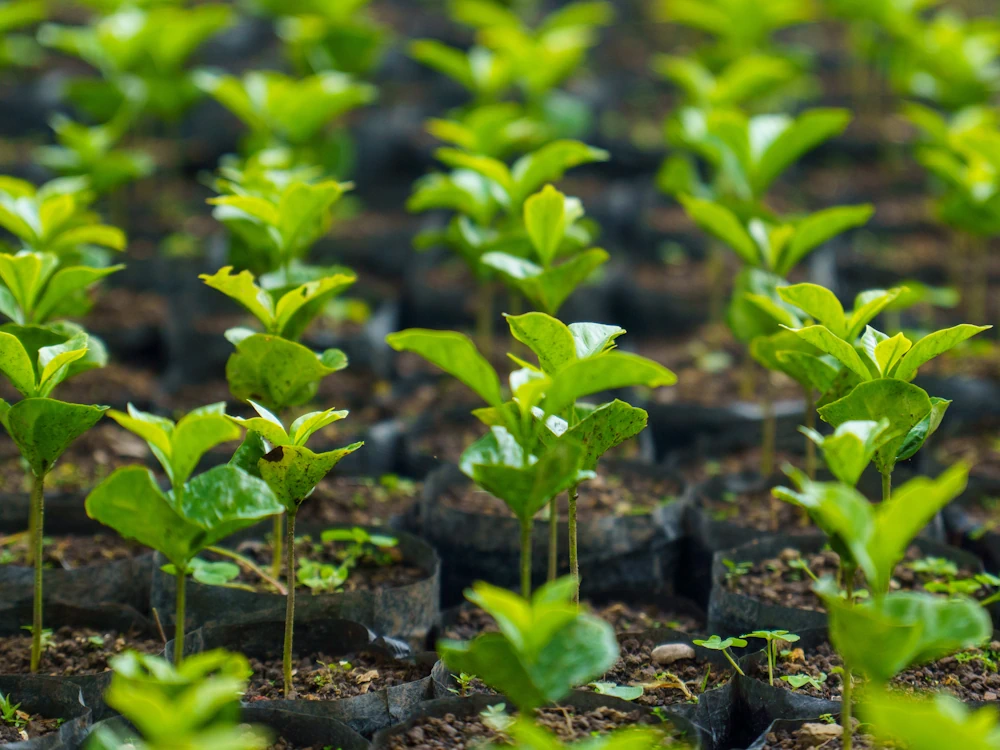
With prices expected to remain volatile in the foreseeable future, many argue that stability, not short-term gains, should be the priority. Longer-term contracts, relationship-based sourcing, and transparent discussions of production costs are increasingly seen as ways to reduce supply chain risk.
“This requires honest conversations about what benefits each party. It requires listening to what people want versus what they need,” Kosta explains. “Producers’ and roasters’ realities might be worlds apart, but are united through coffee. Having flexible, long-term commitments is one way to mitigate the crushing volatility everyone is experiencing. It can balance the highs and lows experienced, rather than capitalising on each other’s unfortunate circumstances.
“The great news about the specialty coffee trade is that we can make up different rules if we want.”
Greater alignment among producers, traders, and roasters could help smooth volatility, protect quality, and ensure that higher prices translate into sustainable outcomes rather than short-lived windfalls.
“Open communication and engagement across the supply chain is key,” Jorge says. “Understanding the cost of production and jointly working towards reflecting the proper value for each coffee is paramount.”
There are also calls for buyers to assume greater risk, particularly when requesting experimentally processed coffees or micro lots. Committing to purchase these coffees, even if outcomes are uncertain, could help restore incentives for high-quality development.
“Buy them even if they don’t turn out as expected,” Neil says. “Producers take a lot of risk with experimental processing, and they shouldn’t have to when it’s your product and at your request.”
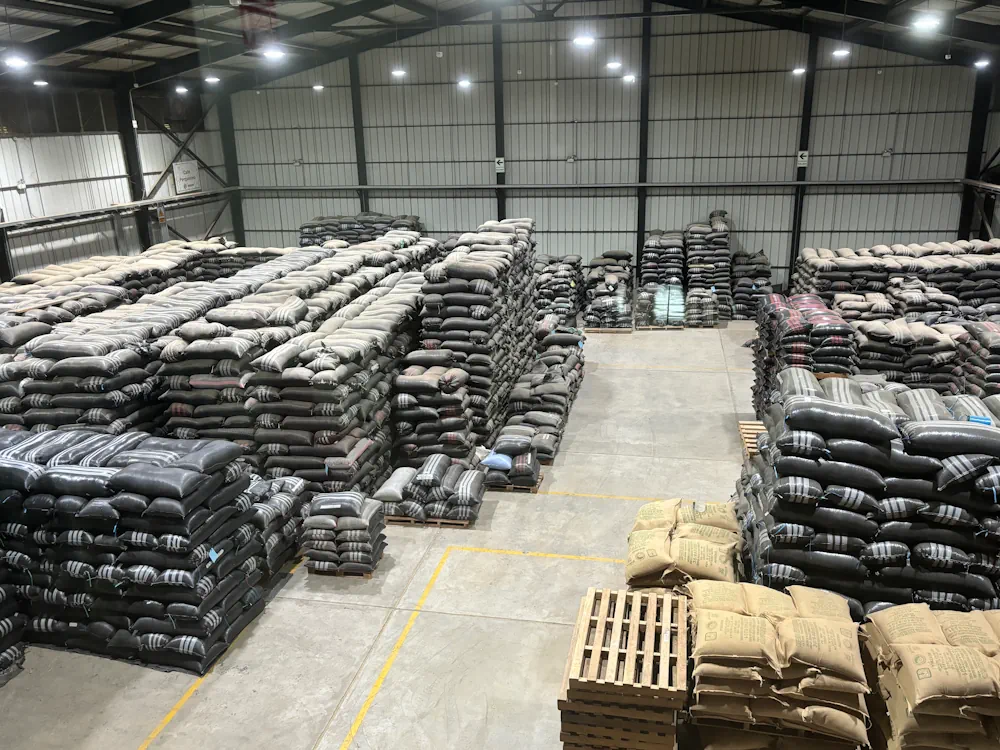
The specialty coffee industry has long positioned itself as distinct from the commodity market, built on quality, transparency, and shared value. Sustained high prices threaten to blur that divide.
Higher prices alone won’t guarantee better coffee. Without coordinated approaches that balance risk, reward, and investment in quality, the market can drift toward standardisation.
Enjoyed this? Then read our article on what’s next after high coffee prices.
Photo credits: Sustainable Harvest
Perfect Daily Grind
Want to read more articles like this? Sign up for our newsletter!