

The future is now. (Credit: Butusova Elena on Shutterstock)
In A Nutshell
- Personalized AI “health agents,” virtual drug trials, and automated compliance tools could quietly speed up diagnoses and drug approvals while making care far more proactive and tailored to each patient.
- Mental health treatment may see a major shift, as empathy-first care, psychedelic-assisted therapies, and next-gen trauma protocols aim to shorten recovery times and focus on root causes instead of just symptoms.
- Everyday healthcare could change behind the scenes, with long-acting injectables for addiction, social prescribing, and global disease registries reshaping how providers support patients and respond to emerging threats.
- New technologies from brain-computer interfaces and microbiome-based women’s health tools to 3D-printed polypills and safer dental gloves point to a future where medicine is more personalized, preventive, and worker-friendly.
The year ahead is shaping up to be one of the most ambitious in modern science, with researchers racing to turn once-speculative ideas into everyday reality. From AI that quietly monitors your health in the background to new therapies that rewire how the brain processes trauma, 2026 might be less about flashy gadgets and more about technologies that blend seamlessly into how people live and receive care.
These advances are converging around one big idea: prevention and personalization, rather than one-size-fits-all treatments. Across labs, clinics, and even dentists’ offices, doctors and scientists are prioritizing smarter tools and more human-centered care.
AI “health agents” built on wearable data promise to flag problems before symptoms appear, while virtual clinical trials and automated compliance systems could help safe, effective drugs reach patients faster. At the same time, fields once considered fringe, like psychedelic-assisted therapy and social prescribing, are moving toward the mainstream as evidence mounts that empathy, community, and connection can be as critical to healing as any pill.
Other breakthroughs are set to transform daily routines in ways many people may not even notice at first. Long-acting injectables could turn the grind of addiction treatment into a steadier, more protected path to recovery, while brain-computer interfaces and cognitive fitness devices aim to keep minds sharper for longer. In pharmacies and hospitals, 3D-printed polypills and accelerant-free gloves point to a future where even the most “ordinary” products are precisely tuned for safety, personalization, and performance.
The following predictions, made by executives and founders of companies on the cutting edge of these new technologies, highlight 15 of the most impactful research-driven changes experts expect to see take shape in 2026.
Personal AI Health Agents Will Transform Care
I believe the emergence of a personalized AI “health agent” will be available through your smartphone. The current research studies being done are taking real-time wearable device data and using them along with large language models to allow for the prediction of illness before someone shows symptoms. These “Health Agents” will enable your phone to serve as a 24/7 medical triage system.
This will eliminate the need for people to randomly search Google and instead provide them with access to personal health information based on data mining. The most significant growth area will be applications that track your steps and provide coaching for metabolic optimization. The development of digital strategies in healthcare will focus completely on proactive & highly personalized engagement.
Darryl Stevens, CEO & Founder, Digitech Web Design
AI Will Speed Drug Approvals With Virtual Trials
Artificial intelligence is helping to rapidly accelerate drug approval timelines, starting in 2023. With the introduction of digital twins and the ability to complete virtual clinical trials before launch, only the most effective and safest drugs will progress through clinical trials, with fewer delays from administrative processes. As a result of this enhanced efficiency, there will be greater speed and volume of new innovations and product launches into the marketplace.
In addition to speeding up compliance processes, the manual review process for compliance will no longer be used, and, in its place, companies will use software that will automatically complete their compliance requirements.
Sean Smith, Founder & CEO, Alpas Wellness

AI is poised to revolutionize healthcare and pharmaceuticals this year. (Credit: Thx4Stock team on Shutterstock)
Empathy-First Care Will Boost Recovery And Healing
The results of research conducted in the year 2026 will demonstrate that an “empathy-first” approach to health care can significantly improve patient recovery time. In addition, researchers will be conducting studies that examine how compassionate care changes the biological systems within a body with regard to the immune system/inflammation. Thus, a new trend in health care will emerge; health care providers will value any type of interaction with patients as critical components in the healing process. Health care systems will also evolve into more humbly designed institutions that prioritize the importance of human relationships as part of the healing process. Humankind cannot replace human compassion and kindness through the use of technology. This research will ultimately cause health care providers to create a more human and supportive connectedness to their patients.
Tzvi Heber, CEO & Counselor, Ascendant New York
Psychedelic Therapies Will Enter Mainstream Mental Health
I believe that by 2026, FDA-approved psychedelic therapies will be integrated into standard clinical protocols for treating PTSD and treatment-resistant depression, based on the outstanding success rates of studies that will soon be published compared to traditional antidepressants. In addition, new clinics will be opened to provide an environment for delivering this unique type of guided therapeutic experience to patients.
This new approach marks a shift in how we think about mental health, trauma recovery, and the focus on healing the root cause rather than just treating symptoms. It represents a step forward for many people who otherwise would have no other options available through conventional medicine.
Joshua Zeises, CEO & CMO, Paramount Wellness Retreat
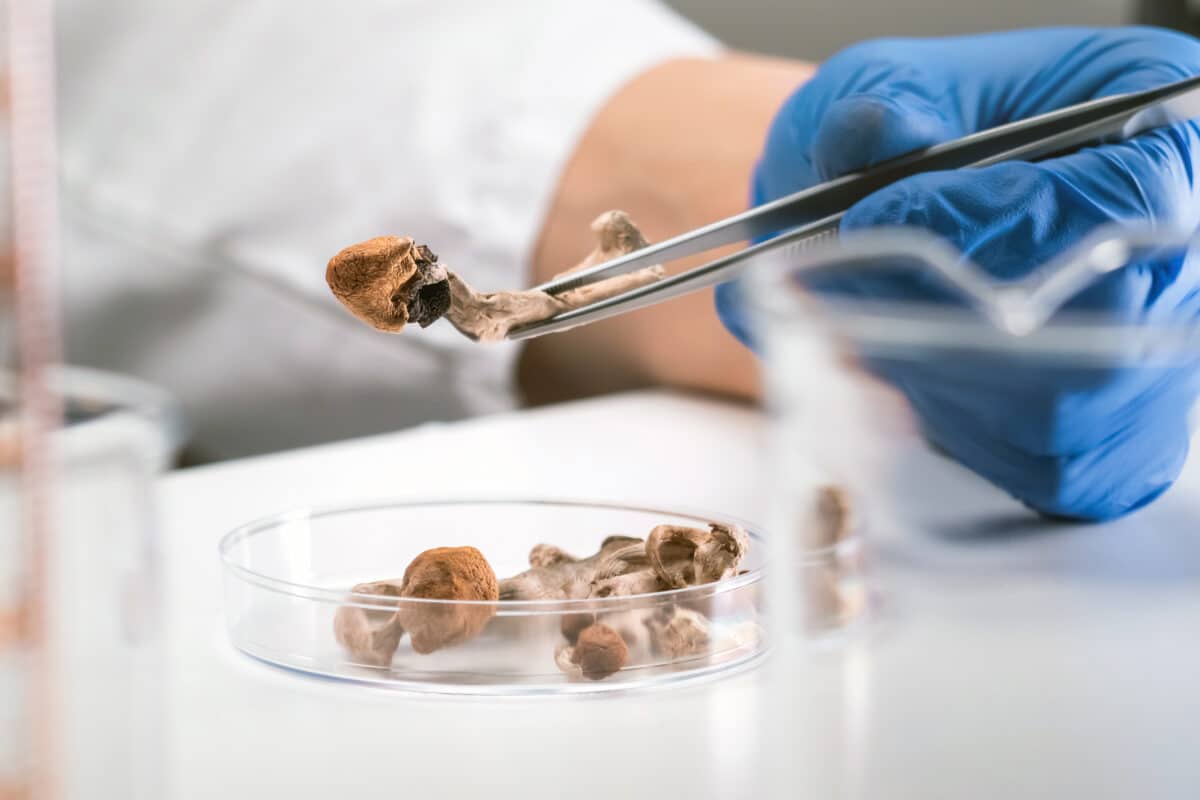
Scientists test psilocybin mushrooms in a lab. (Photo by 24K-Production on Shutterstock)
Consumers Will Embrace Clean, Hormone-Safe Health Standards
I believe that by 2026 we will see a shift in the way consumers view their health—with a strong focus on being “clean.” With a renewed emphasis on removing microplastics and toxic environmental chemicals from our bodies, consumers will increasingly converge on products (and buildings) that are certified “hormone safe” and “plastic-free” as part of a new health movement to detoxify. The results of this mission-driven research will drive the mass production and delivery of consumer goods to consumers on a global scale, and there will be an expanding focus on protecting ourselves from pollutants as a primary health concern.
Ryan Hetrick, Co-founder of Epiphany Wellness, Epiphany Wellness
Long-Acting Injectables Will Reshape Addiction Treatment
Long-acting injectable medications for the treatment of substance use disorders (SUDs) are proving to be an important breakthrough for SUDs. With successful clinical trial outcomes showing that these long-acting medications may effectively suppress opioid and alcohol withdrawal symptoms, their use will revolutionize drug addiction treatment by eliminating the daily struggle of taking pills.
For the recovering addict, it will create a significant ‘safety net’ during their most vulnerable times of recovery, which will significantly decrease the number of patients who relapse and save many lives over the next year. The new long-acting injectable treatment will provide a more humane, effective approach to treating the chronic illness of drug and alcohol addiction.
 2026 may see new ways to help battle addiction. (© Andrii Zastrozhnov – stock.adobe.com)
Saralyn Cohen, CEO & Founder, Able To Change Recovery
Brain-Computer Devices Will Elevate Cognitive Fitness
I anticipate that breakthroughs in non-invasive devices that link our brain to a computer will allow both accelerated learning and cognitive recovery. Current devices being researched include wearable headbands that stimulate specific neural pathways related to memory and concentration. In 2026, these devices will have transitioned to mainstream use by both students and aging professionals as part of the trend toward “cognitive fitness” over the more traditional physical strength-focused health trends.
This will revolutionize our approach to treating age-related cognitive decline and learning disabilities and will provide a measurable and improvable status of your brain’s health, similar to how we measure a person’s muscle mass.
Joel Butterly, CEO & Founder, InGenius Prep
Global Registries Will Unlock Rare Disease Breakthroughs
Universal clinical data registries will provide instant global access to information on rare diseases by 2026. By creating safe platforms that allow doctors to share anonymous patient information across borders, research will help find quick treatments for diseases that lack enough local data for proper study. Healthcare organizations will become increasingly coordinated and quickly develop responsiveness to new healthcare threats emerging in different parts of the world.
The implementation of this collaborative environment will eliminate the isolated areas of data that exist today and impede medical advancement between nations. This linkage will serve as a foundation to establish a complete global medical professional community.
Jonathan Orze, CFO, InGenius Prep
Next-Gen Therapies Will Cut Trauma Treatment Timelines
I spend my days working with individuals navigating complex mental health challenges at MVS Psychology Group in Melbourne, so I’m keeping close tabs on research that could transform how we treat trauma, personality disorders, and neurodevelopmental conditions. The practical applications matter most to me as they’re what actually help people in the clinic.
I’m watching neuroplasticity research around EMDR (Eye Movement Desensitization and Reprocessing) and trauma reprocessing protocols closely. We’ve seen remarkable results with EMDR at our clinic, but studies currently underway are examining how we can improve those effects through a combination of neurofeedback and targeted pharmaceutical support. I predict 2026 will bring us refined protocols that cut treatment timelines in half for complex PTSD. We’re already seeing preliminary data suggesting 8-12 sessions instead of 20+ for comparable outcomes.
 PTSD recovery often takes a long time. 2026 may see that change. (Photo by RODNAE Productions from Pexels)
The other breakthrough I’m betting on involves functional neurological disorders (FND), which I treat regularly. There’s fascinating research happening around the brain-body connection using real-time fMRI feedback to help patients “see” their neural patterns during symptom expression. Early trials show patients gaining conscious control over symptoms previously thought purely psychosomatic–we’re talking measurable changes in motor function and pain perception within weeks. This could revolutionize treatment for a population that’s been historically dismissed.
Lastly, psychedelic-assisted therapy for treatment-resistant depression and personality disorders is moving from fringe to mainstream fast. Australia already approved psilocybin and MDMA for clinical use in 2023, and I expect 2026 will bring standardized training protocols and insurance coverage. The research coming from institutions like Johns Hopkins suggests we’re looking at 60-70% response rates in populations where traditional therapy achieves maybe 30%.
Maxim Von Sabler, Director & Clinical Psychologist, MVS Psychology Group
Social Prescriptions Will Become Standard Medical Intervention
I expect that 2026 will be the year that ‘social prescribing‘ becomes a standard intervention for medical professionals. Research is ongoing to determine whether support groups in a community setting can be as effective as some medications for those suffering from chronic isolation/depression. The introduction of new technologies to facilitate patient access to their local community’s ‘hubs’ will be tied directly to the patients’ electronic health records. The movement will shift how we currently view healthcare. Rather than only visiting the medical office, we will start placing more importance on our local communities and the way we support each other socially. Viewing the social aspect of health as a “living” organ in constant need of nurturing will increase the strength of our communities and serve as a therapeutic option to improve population health.
James Mikhail, Founder, Ikon Recovery
Research Shifts From Symptoms To Systems
I spend a lot of time following research at the intersection of psychology, neuroscience, and health. Certain patterns in current research are pointing toward where 2026 may head:
One area likely to see meaningful breakthroughs is the science of stress and nervous system regulation. Research is moving beyond generic “stress reduction” and into precise mapping of how attention, sleep, breath, and emotional regulation influence inflammation, metabolic health, and long-term disease risk. This will likely fuel more targeted interventions that focus on regulation rather than productivity or optimization.
Another area is mental health research that integrates AI with human oversight. Studies are increasingly examining how digital tools can support early detection of burnout, depression, and cognitive decline without replacing human care. The trend is shifting from replacement to augmentation, with ethics and data boundaries becoming central rather than optional.
Finally, I expect more research around lifestyle medicine and cognitive longevity. Studies on movement, learning, social connection, and purpose are beginning to show how strongly daily behavior influences brain health over decades. That will likely drive health trends away from quick fixes and toward sustained, habit-based interventions that feel less flashy but deliver real impact.
 Stress and mental health research may take a major step forward this year. (© Olivier Le Moal – stock.adobe.com)
All these potential changes point to a shift from treating symptoms to understanding systems. Today, it’s almost certain that the next wave of breakthroughs will focus less on single solutions and more on how interconnected behaviors shape health over time.
Lachlan Brown, Co-founder, The Considered Man
3D-Printed Polypills Will Personalize Pharmacy Care
The development of 3D-printed personalized medications at the pharmacy level will likely be an important development for 2026. Researchers are continuing to work on ‘”polypills”—a single daily dose that combines multiple prescription medicines into one physical product, thus greatly enhancing patient compliance and reducing potential drug interaction hazards. By moving closer to the patient, we are also simplifying the entire pharmaceutical supply chain, because drug manufacture is being transitioned further upstream, rather than being done at a centralized location. Therefore, the concept of ‘one-size-fits-all’ in pharmaceuticals will soon be a memory, and both hospitals and home care will experience major benefits with 3D-printed polypills.
James Scribner, Co-Founder, The Freedom Center
Microbiome Therapies and AI Redefine Women’s Health
One area I see gaining real traction by 2026 is microbiome-focused therapeutics. Researchers are getting sharper at connecting specific microbial strains to issues like bacterial vaginosis, PCOS, and even mood disorders. The groups we collaborate with are digging into how vaginal and gut ecosystems influence one another, and the metabolomics work coming out of those projects is starting to shape how we design formulas–down to which prebiotics genuinely help certain probiotics do their job.
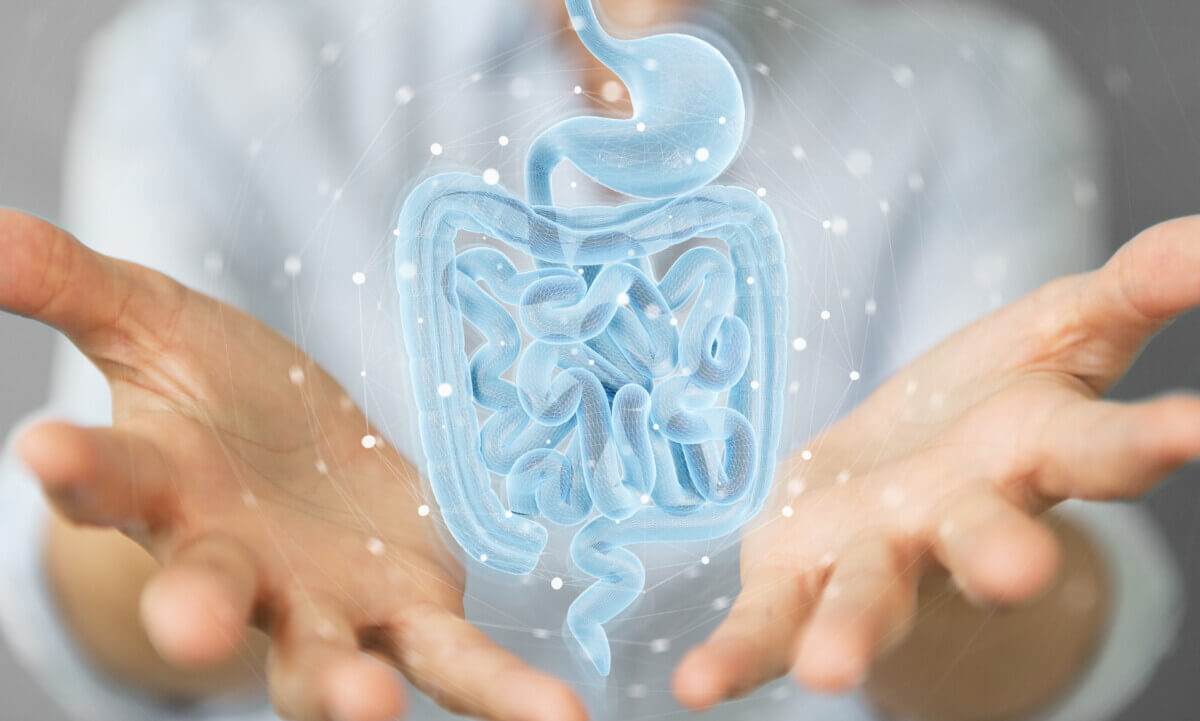 Microbiome-based therapies could help countless people this year. (© sdecoret – stock.adobe.com)
In women’s health, I expect AI-based diagnostics to start reshaping care for conditions like endometriosis and PMDD. These are illnesses that show up in confusing, overlapping ways, and machine learning models trained on symptom logs, cycle data, and lab results are beginning to spot patterns clinicians often miss. If those tools keep improving, they could cut down on the long diagnostic delays and make personalized supplement plans far more targeted.
On the broader wellness front, there’s a noticeable shift toward metabolic health and circadian research. Studies tying cortisol patterns, glucose regulation, and hormonal balance together are getting a lot of momentum. It mirrors what we hear from people dealing with low energy, mood swings, or sleep troubles. By next year, I wouldn’t be surprised to see more interest in products aimed at supporting mitochondrial health, steadier cortisol rhythms, or nutrients timed to natural biological cycles.
None of this comes from quick experiments–it’s years of shared datasets and multi-disciplinary research finally paying off. But the evidence is getting tighter, and that’s when meaningful innovation tends to surface.
Hans Graubard, COO & Cofounder, Happy V
Safer Gloves And Barriers Will Overhaul Dental Safety
I run a national dental supply company, so I track contamination research obsessively–it directly affects what products keep practitioners and patients safe.
The breakthrough I’m watching is accelerant-free nitrile chemistry. Current studies are showing that removing chemical accelerators from glove manufacturing can reduce Type IV allergic reactions by over 70%. We developed EZDoff gloves based on early findings, and I’m predicting 2026 will bring clinical validation that forces the entire industry to reformulate. That means safer gloves become standard, not premium.
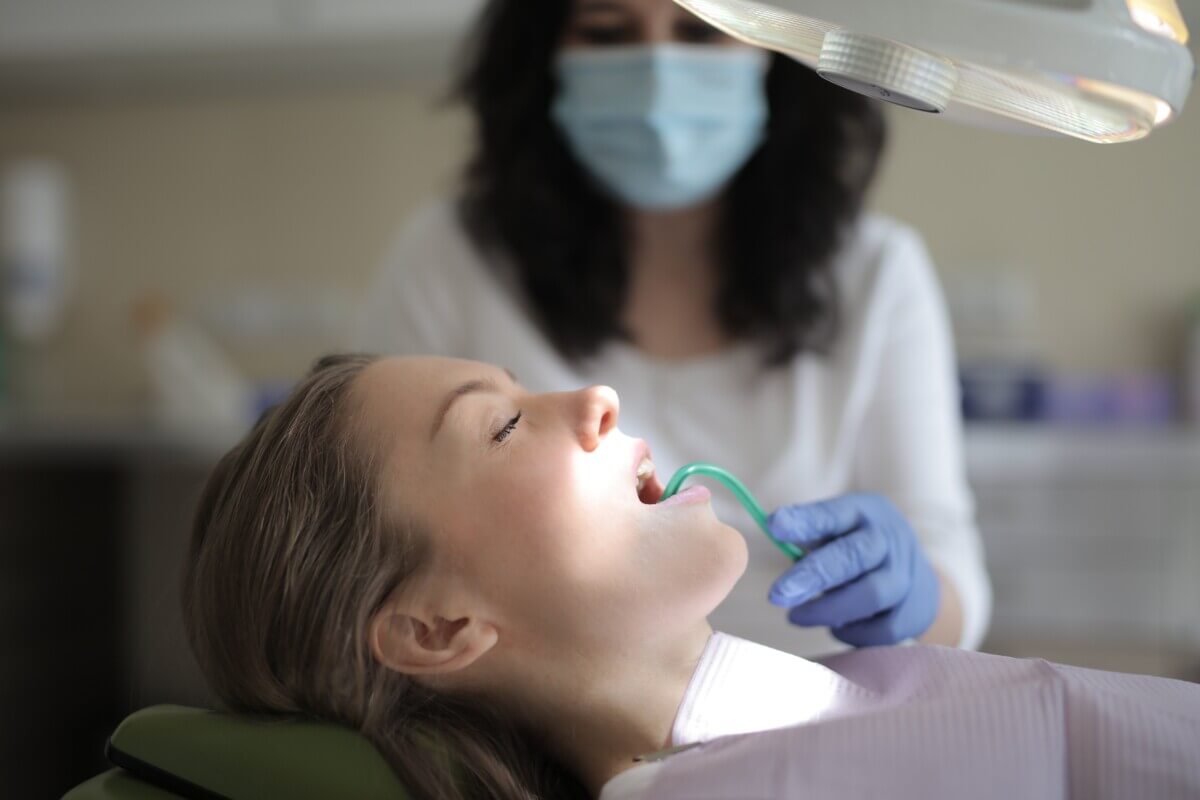 Both dentists and their patients may enjoy improved protection in 2026. (Andrea Piacquadio / pexels.com)
The other area is barrier surface microbiology. New ATP testing protocols are revealing that textured barrier films trap 3-4x more aerosol particles than smooth films–completely opposite of what we thought. Research coming out now suggests we’ve been spec’ing dental barriers backward for twenty years. By 2026 I expect surface texture standards to flip, which will change procurement for every operatory in the country.
What excites me is that both breakthroughs protect the people doing the work, not just the patients. Dental professionals have some of the highest occupational exposure rates to pathogens and allergens, so research that actually shields them daily is overdue.
Adam Schuh, President, Clinical Supply Company
Automated Hypotheses Will Guide Health And Tech Research
AI will accelerate research breakthroughs in 2026 by automating data analysis and hypothesis generation across health and technology domains. Expect AI-driven drug discovery platforms to identify novel therapeutic candidates and repurpose existing drugs faster than traditional methods. Generative models trained on multimodal biological data may uncover biomarkers for early disease detection and personalized treatments.
Advances in AI-guided materials science could yield new biosensors and smart wearables that monitor health in real time. In mental health, predictive analytics from large datasets will drive trend insights and preventive care models. AI ethics and safety research will shape regulations that govern these innovations while ensuring equity and transparency in deployment for broader public benefit.
Albert Richer, Founder & Editor, WhatAreTheBest.com