 Courtesy of SolarLab
Share
Share
Or
https://www.archdaily.com/1037797/active-envelopes-integrating-solar-energy-into-architectural-design
When developing an architectural project, there are multiple possible points of departure. Some architects begin with volume, gradually carving form in dialogue with its context. Others start from the longitudinal section, while some organize the project around the functional layout of the plan. There is no right or wrong method, but rather distinct approaches that reflect different ways of thinking about and making architecture. Since the widespread adoption of solar panels and photovoltaic energy, however, a recurring pattern has emerged: these systems are almost always introduced later in the process, framed as technical optimizations or responses to regulatory and energy-efficiency requirements. As a result, they tend to be treated as secondary elements, often relegated to rooftops or less visible areas and detached from the architectural language of the building.
This separation reinforces the perception of solar energy as a technical component to be accommodated, rather than as an element capable of engaging in architectural dialogue. Some contemporary approaches, however, reverse this logic by treating facades as active, energy-generating surfaces and integrating photovoltaic systems directly into the architectural composition. It is within this context that the concept of building-integrated photovoltaics (BIPV) emerges, alongside the work of the Danish company SolarLab, which develops solar facades as complete architectural systems. These systems combine glass-based photovoltaic panels, ventilated facade logic, and integrated construction strategies. By bringing together materiality, energy performance, and architectural expression into a single system, the company operates across a wide range of project scales, regardless of building typology or size.
Testing Solar Integration at the Concept Stage
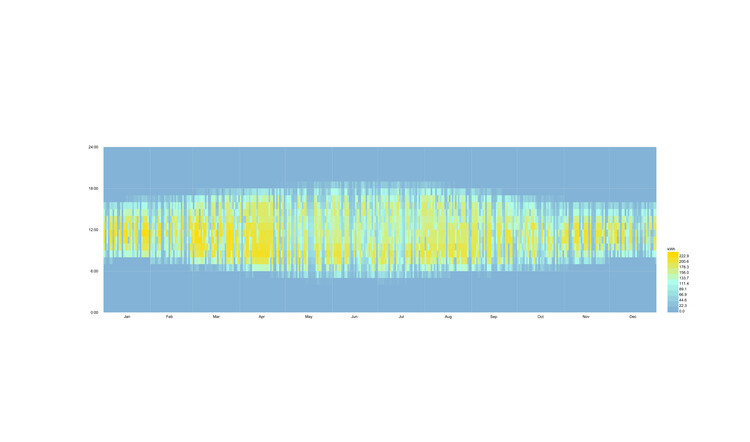
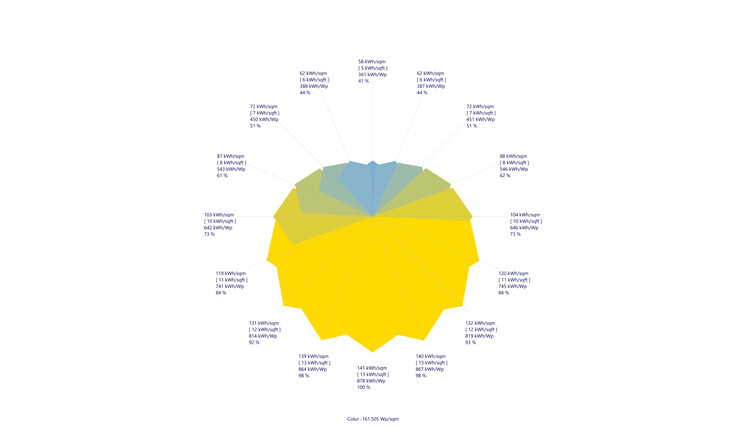
For this level of integration to be feasible from the earliest design stages, one of the main challenges architects face is uncertainty at the beginning of the process. Without preliminary information on energy potential, spatial implications, or cost ranges, decisions related to solar facades are often postponed. At this critical stage, SolarLab structures its work around an initial scoping phase, in which 3D sketches and massing models provided by design teams form the basis for electricity production simulations. These are supported by 3D visualizations and performance graphs that allow different scenarios to be evaluated from the earliest concepts. By linking energy production, facade distribution, and preliminary cost estimates, this process provides technical input for informed decision-making early in the project.
 Courtesy of SolarLab
 Courtesy of SolarLab
This approach makes it possible to test whether a given facade strategy aligns with the project’s objectives, or whether adjustments in orientation, articulation, or surface distribution are required. It supports architectural decision-making without imposing rigid formal constraints, allowing solar potential to operate as another design parameter alongside daylight, views, program, and urban context, while multiple design paths remain open.
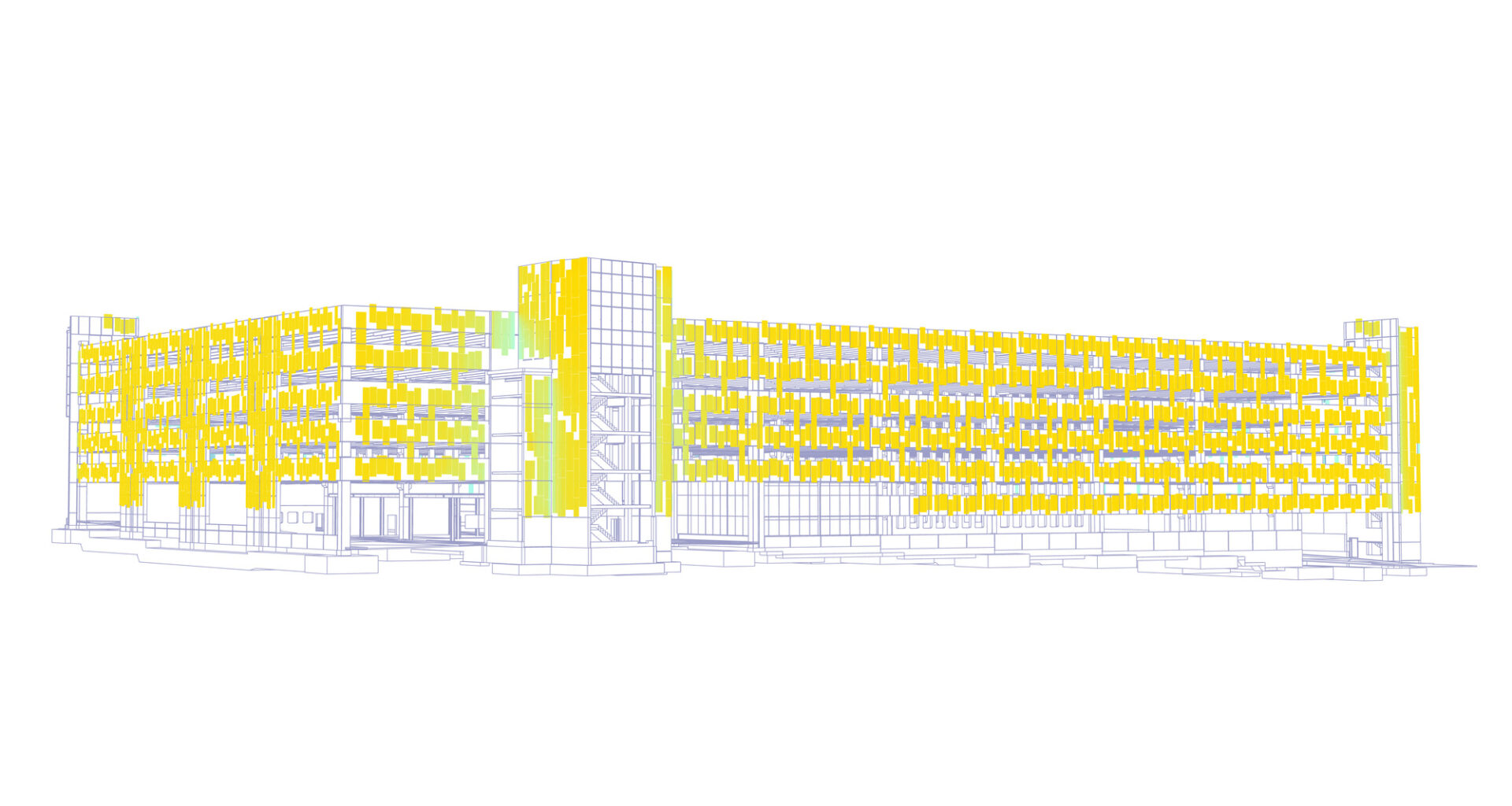
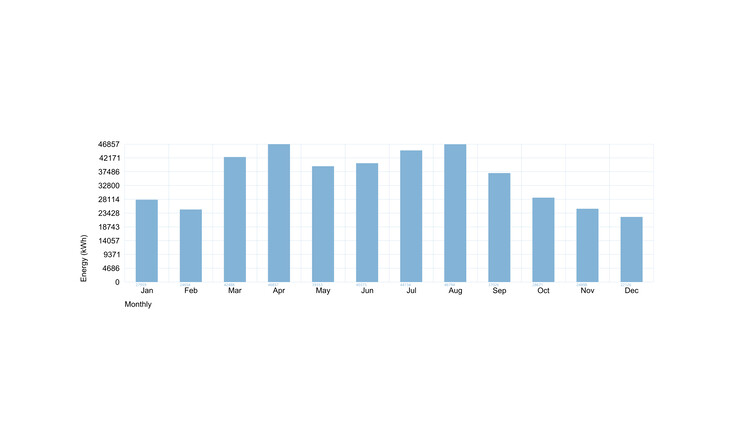
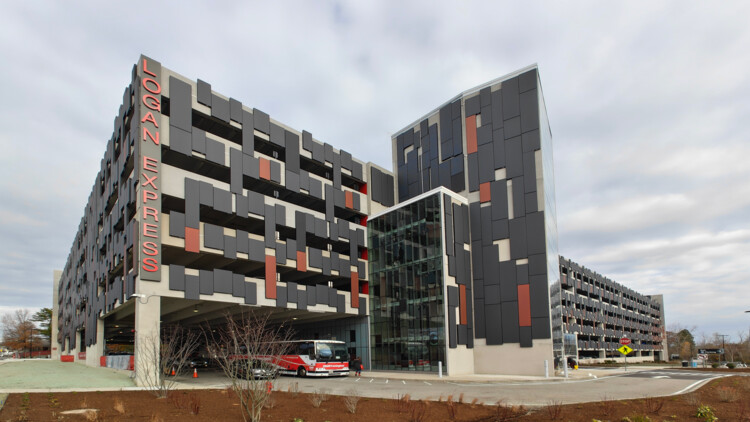
A concrete example of this methodology can be found in the study developed by SolarLab for the Logan Express facility in Framingham, Massachusetts (USA), in collaboration with saam architects. Based on a volumetric model of the building, the team carried out detailed solar facade simulations considering multiple orientations, using local climatic data (Typical Meteorological Year – TMY3), which represents long-term averaged weather conditions for the site. The study assessed a total area of approximately 4,227 m² (45,483 sq ft) of photovoltaic panels integrated into the facades, with an estimated annual electricity production of around 350,000 kWh. Rather than consolidating a single global performance value for the entire building, the simulations differentiated energy output by elevation, revealing significant variations across the envelope. This data-driven reading made it possible to adjust panel distribution and facade articulation while the project was still at the conceptual stage, reinforcing simulation as an active design tool rather than a post-design verification exercise.
 Courtesy of SolarLabFrom Design Development to Realization
As the project moves into the design development phase, SolarLab collaborates closely with architectural teams, providing ongoing technical support. This phase combines digital tools, design guidelines, physical samples, and project-specific construction solutions to clarify open questions as they emerge. When necessary, panel prototypes, mounting systems, or facade mock-ups are produced for technical validation, regulatory review, and to support bidding and installation planning.
The workflow is architecturally driven, relying on interdisciplinary teams that bring architects and engineers together from the outset, allowing aesthetic intent and technical performance to evolve in parallel. Architects within the team contribute to design discussions around proportion, rhythm, materiality, and facade expression, working with project teams to explore custom surface treatments, panel formats, and compositional strategies tailored to each building. In parallel, engineers translate these ambitions into technically robust solutions, ensuring that structural logic, energy performance, and regulatory requirements are met without narrowing the available design space.
 Courtesy of SolarLab
As projects advance, this interdisciplinary collaboration increasingly depends on digital coordination. Design guides and BIM tools play a central role by integrating BIPV systems directly into digital building models. The BIM objects developed by the company—available for platforms such as SketchUp, Rhino and Grasshopper, Archicad, and Revit—allow solar panels to be treated as architectural components rather than external systems. Linked to geometric, material, environmental, and performance data, these objects connect assembly logic, system weight, and energy production estimates within a single design environment. This shared digital framework reduces friction between architectural intent and technical requirements. Rather than relying on linear handoffs between design and engineering, BIM-based workflows support continuous alignment, facilitating the integration of BIPV into complex facade systems.
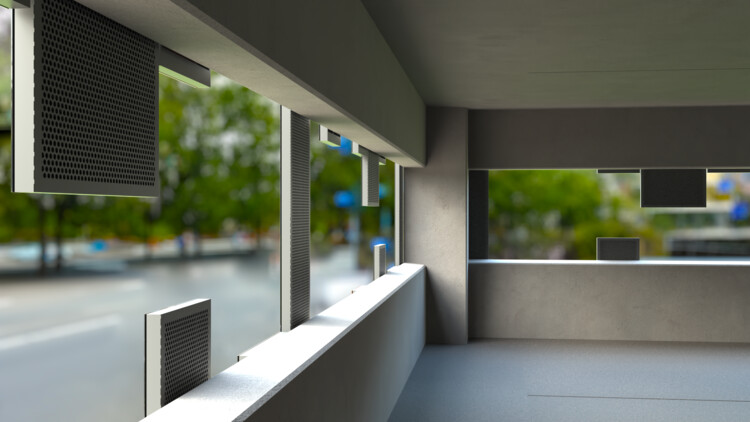
Finally, during the realization phase, once the architectural design is finalized and structurally approved, the process advances to production engineering, manufacturing, and assembly of the solar facade systems. Following third-party inspections, the facade components are delivered with detailed installation guides, packaged and shipped for installation and commissioning by local teams. At this stage, the work carried out in earlier phases ensures that construction becomes a direct continuation of the design process, rather than a corrective response to late-stage integration.
 Courtesy of SolarLab
The growing maturity of these digital design ecosystems is transforming how solar facades are conceived and delivered. By enabling architects to test compatibility, performance, and constructability from the earliest stages, these workflows reposition BIPV as an architectural system rather than a technical add-on. Solar facades can thus be explored, evaluated, and refined with the same rigor applied to other envelope strategies, supporting an architecture in which energy generation is integrated through design logic rather than imposed after form-making decisions are complete.