
(Colon cancer is rising among young adults. Here are signs to watch out for.)
Dietary fiber deficiency increases the risk of developing chronic inflammatory diseases, like Crohn’s disease or ulcerative colitis, as well as autoimmune diseases and even allergies. In contrast, eating a high-fiber diet can support a healthier body weight, reducing rates of obesity, cardiovascular disease, and colorectal cancer.
Emerging research suggests that fiber may also help mitigate the adverse effects of microplastics in our bodies. According to Katrine Whiteson, a professor and microbiome scientist at UC Irvine, “fiber will protect you from all different kinds of environmental toxicities” by creating a sort of matrix that will absorb and excrete them.
The exact mechanisms by which different types of fiber interact with the body remain an active area of research. But Holscher advocates for “eating a diverse array of plant-based fibers”—fruits, vegetables, whole grains, nuts, and legumes—to maximize the benefits.
Some studies suggest that eating a wider range of dietary fiber sources may support a more diverse gut microbiome. One large-scale study found that eating more than 30 different types of plants each week was associated with higher gut microbial diversity.
Still, Whiteson says the causation isn’t clear, noting that people in some resource-limited regions consume relatively few fiber sources yet maintain highly diverse gut microbiomes. “Like, the ones I got to work with in remote Ecuador, they have amazingly diverse gut microbiomes.”
At the end of the day, Whiteson believes the goal should be to “get more fiber and not be a perfectionist about it.”

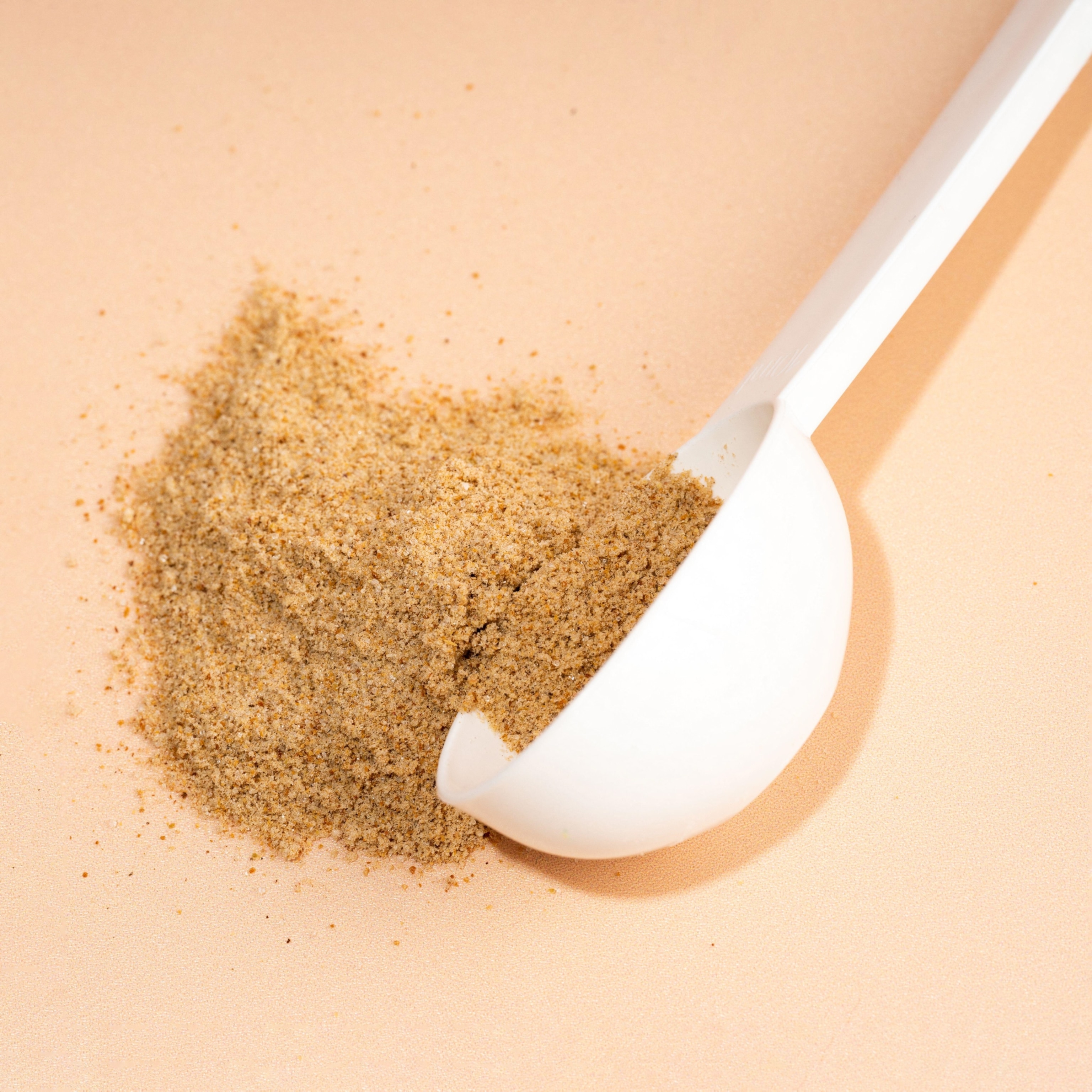
In an effort to increase fiber intake, some people also turn to fiber supplements and fiber-fortified foods.
Joyce Lee, The New York Times/Redux (Top) (Left) and Daria Bulgakova, Alamy Stock Photo (Bottom) (Right)
Can supplements help?
It’s no coincidence that fiber intake has declined in modern American diets.
“In the industrialized world, as we’ve been eating more and more processed foods, our fiber consumption has really plummeted,” Whiteson explains. Processing often involves stripping out the fiber-rich ingredients—such as removing bran from wheat to produce white flour—to improve texture, taste, and shelf life.
(How much fiber do you really need to stay healthy?)