For several years the people in Britain’s creative sector — writers, musicians, artists, actors, photographers and so on — have been howling about the theft of their work by the tech giants developing generative AI (GenAI). So far the outcry has been fruitless. The tech giants have carried on “scraping” original work (that is, training their machines to digest it at lightning speed) with insouciant disdain for copyright laws. Meanwhile, successive UK governments have acted with all the decisiveness of paralysed rabbits caught in the headlights of a thundering juggernaut.
No wonder that Baroness Kidron, the crossbench peer championing the creative sector, doesn’t mince words in a big new report, published today. “The UK government,” she writes, “is presiding over one of the greatest acts of theft in modern history: the stripping of the UK’s creative industries of their rights, livelihoods and control over their work.”
Over the top? It’s hard to feel that after you have seen the startling figures in the report. Titled Brave New World? Justice for Creators in the Age of GenAI, and published by five trade organisations (the Independent Society of Musicians, Equity, the Society of Authors, the Association of Illustrators and the Association of Photographers), it effectively shows that the wrecking-ball impact of GenAI on the arts, media, design, publishing and entertainment worlds is not something to worry about tomorrow. It’s happening already.
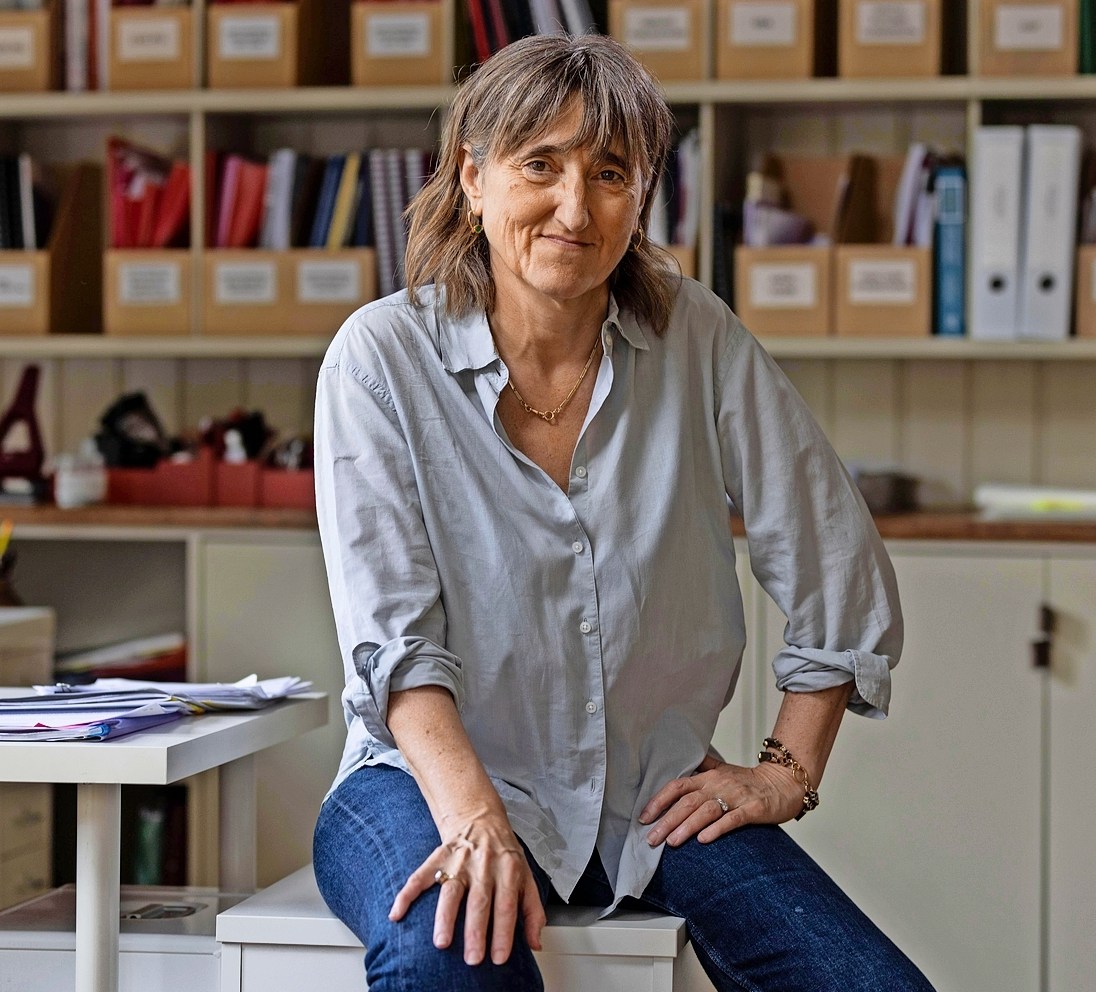
Baroness Kidron says the UK is presiding over “one of the greatest acts of theft in modern history”
ALAMY
Using evidence from 10,000 of their members, the organisations claim that a third of all creative jobs have already been lost to AI; that 99 per cent of their members believe their own work has been scraped without consent; that three quarters of all musicians say unregulated GenAI threatens their livelihoods; that a third of the UK’s illustrators and more than half its writers have seen commissions lost because of GenAI; and that actors and voice artists are already seeing work snatched away by AI-generated clones such as Tilly Norwood, launched last year amid claims that this simpering virtual entity could be “the next Scarlett Johansson or Natalie Portman”.
In other words, the report argues, the UK creative industries — which contributed £125 billion to the economy in 2024 and supported 2.4 million jobs — are being destroyed by an AI sector that, whatever its long-term potential, contributed just £11 billion in the same year and supported only 85,000 jobs.
• Labour’s AI vision is creative theft
To which, I guess, hard-nosed progressives will say, “So what?” GenAI looks set to throw millions out of work in many industries, not just the creative sector. If composers, artists and writers aren’t imaginative enough to devise stuff that’s more compelling than what copycat machines can do, don’t they deserve to gurgle down the plughole of history?
But that ignores the big issue. The creative industries are being decimated because AI companies are stealing their work on a gigantic, unregulated scale, then using the results to compete and undercut the very creatives they have robbed. True, the creatives are fighting back where they can. Last year a group of authors and publishers brought a class action against the AI company Anthropic, which they said was stealing their work to train their machines. They were awarded £1.11 billion by an American court.
• Read more art reviews, guides and interviews
It’s possible that case will set a precedent and more lawsuits will follow. More likely (in fact already happening) is that huge entertainment and media companies will strike their own licensing deals with the AI industry. But as the report points out, such deals (which are usually shrouded in secrecy) don’t always benefit or protect individual creators who don’t have the time, resources or muscle to fight for their rights. What we are seeing in their case, as Kidron says, is a “massive transfer of wealth from creators to corporations and from the UK to the US”.
The report puts forward a five-point plan of action it calls Clear. C is for consent, meaning existing copyright laws must be clarified to ensure AI companies can’t train their machines on other people’s work without explicit, prior consent. L stands for licensing — a demand for a statutory licensing scheme to cover all AI companies. E (ethical use of training data) and A (accountability) would place legal obligations on AI companies to be transparent about the data they are mining and to label AI-generated product so that “consumers can distinguish synthetic product from human creativity”. And finally R is for remuneration and rights — setting up global systems that pay creative individuals fairly, and establishing a new concept of “personality rights” that would protect, say, a performer’s style and appearance from being cloned.
• AI is putting the magic of human artistry at stake
To be frank, I find it hard to envisage much of that happening, for the simple and rather tragic reason that the UK government, acting by itself, doesn’t have the power to tame US tech companies that seem to float free of national regulations and exhibit scant sense of morality. Nor do I think that the environmental data assembled in this report — the fact that AI data centres now devour 4 per cent of the world’s electricity, or that training one large-language model consumes 5.4 million litres of water — will somehow slow down the AI revolution. The genie can’t be stuffed back in the bottle now.
A more combative way to get our creative industries a share of tech companies’ profits (given that tech bros will continue to feed, vampire-like, on UK creativity) would be to ramp up the digital services tax (which at present raises a paltry £800 million a year) or slam a new tax on the devices consumers need to access AI — phones, laptops, iPads and so on — then channel the revenue back into the creative industries. The American tech companies would hate that. Elon Musk would be vitriolic, President Trump apoplectic, in capital letters. Massive retaliatory tariffs would be threatened; maybe even an invasion of the Isle of Wight. But with the jobs of 2.4 million British creative workers at stake it really is time for the government to show it has a spine.