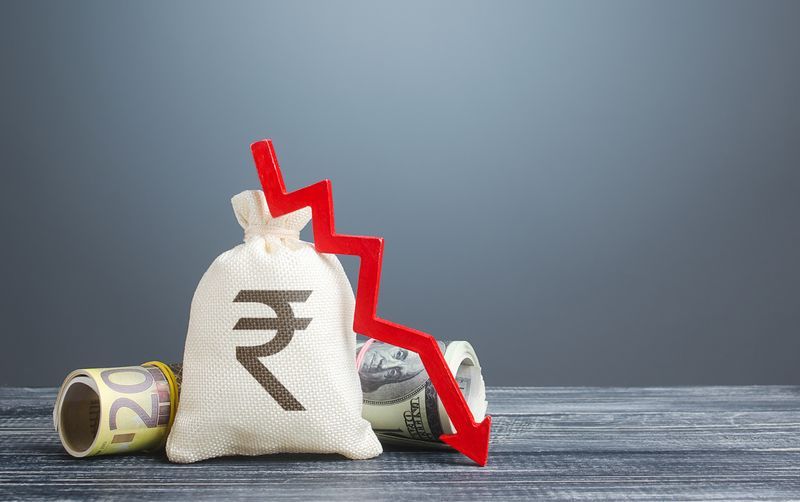
As the rupee neared the all-time low of 92 against the US dollar on Thursday, the Economic Survey said the Indian currency has become a “victim of geopolitics and strategic power gap and a casualty of foreign inflows drying up in 2025”.
“India runs a trade deficit in goods. Its net trade surplus in services and remittances is not enough to offset it. The country depends on foreign capital flows to maintain a healthy balance of payments. When they run dry, rupee stability becomes a casualty,” the survey said about the rupee, the worst-performing Asian currency in 2025.
With the growth being good, outlook favourable and inflation contained, the rupee’s valuation did not accurately reflect India’s stellar economic fundamentals, it said. “In other words, the rupee is punching below its weight,” it added, noting that an undervalued rupee in these times did not hurt, as it balanced to some extent the impact of higher US tariffs on Indian goods. The survey said there was no threat of higher inflation from higher-priced crude oil imports now.
“However, it does cause investors to pause, and their reluctance to commit to India warrants examination,” said the survey.
It noted that the rupee depreciated by approximately 5.4 per cent against the US dollar between April 1, 2025, and January 15. “The currency’s performance is determined by the economy’s ability to generate domestic savings, sustain external balance, attract stable FDI and build export competitiveness rooted in innovation, productivity and quality,” the survey said.
The rupee settled at its all-time closing low at 91.99 against the US dollar, amid selling pressure from foreign funds and risk-off sentiment in global markets on Thursday. So far this year, the rupee has fallen 2 per cent. It is also down nearly 5 per cent since US President Donald Trump imposed steep tariffs on India’s exports.
In the meantime, India’s foreign exchange reserves increased to USD 701.4 billion as of January 16, providing import cover of about 11 months and covering over 94 per cent of external debt, thus strengthening resilience against external volatility, the survey added.
Looking ahead, the manufacturing competitiveness and exports were important for maintaining long-term currency stability and strength, the survey said.