
The expert said that there are “side effects people should not ignore”
Sophie Buchan Money and Lifestyle Writer
07:11, 31 Jan 2026

The pharmacist issued a warning to those taking the medication, or peoople looking to start it(Image: Getty)
A pharmacist has issued an important warning for people taking statins. Urging them to exercise caution, the concern centres on a widely prescribed medication used by millions across the UK.
Now, the specialist is emphasising which “key early side effects” people should “watch out for.” This is particularly important as some people may not link their symptoms to the medication.
Peter Thnoia, Superintendent Pharmacist at NHS -registered pharmacy PillTime, and a registered pharmacist with the General Pharmaceutical Council, said that people on atorvastatin need to be careful, as while “some side effects may settle” as the body adjusts, “there are side effects people should not ignore.“
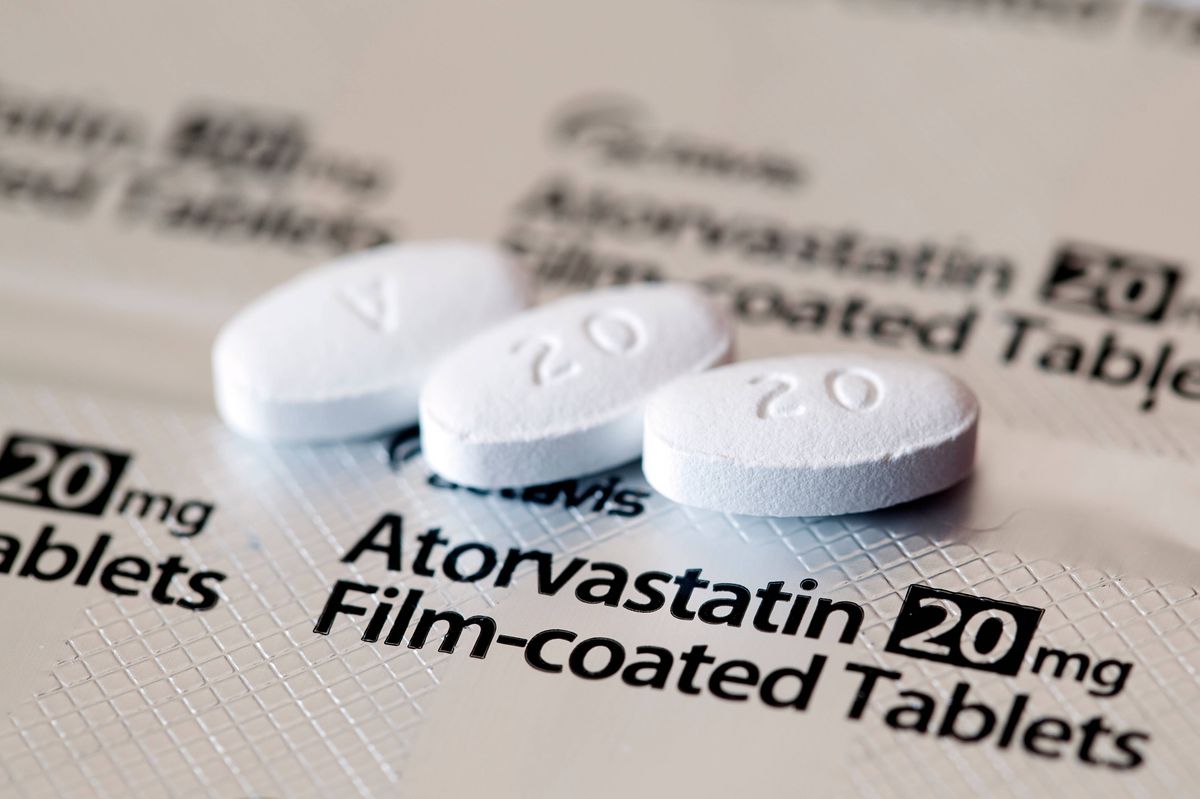
The pharmacist issued advice about statins(Image: Gannet77 via Getty Images)
Atorvastatin is part of a class of medications known as statins. The NHS explains that it can reduce cholesterol levels in those diagnosed with high blood cholesterol, and is given to help prevent cardiovascular disease, including heart attacks and strokes.
It may also be recommended if you have a family history of cardiovascular disease, or if you’re living with a long-term condition such as type 1 or type 2 diabetes, or rheumatoid arthritis.
According to figures from NICE : “Uptake of the statin atorvastatin at NICE-recommended doses increased from 4.2 million people in 2022/23 to 5 million in 2023/24.”
What are the side effects of atorvastatin?
Regular consumption of large amounts of alcohol can heighten the risk of experiencing side effects with atorvastatin and may also lead to liver complications.
Side effects of this drug, according to the NHS, may include:
- Feeling sick (nausea)
- Indigestion
- Headaches
- Nosebleeds
- Sore throat
- Cold-like symptoms, such as a runny nose, blocked nose or sneezing
- Constipation
- Farting (flatulence)
- Diarrhoea
Stop taking atorvastatin and call a doctor or call 111 straight away if:
- you get unexplained muscle pain, tenderness, weakness or cramps – these can be signs of muscle breakdown and kidney damage
- the whites of your eyes turn yellow, or your skin turns yellow, although this may be less obvious on brown or black skin, or if you have pale poo and dark pee – these can be signs of liver problems
- you get a skin rash with pink or red blotches, especially on the palms of your hands or soles of your feet – this could be a sign of erythema multiforme
- you have severe stomach pain – this can be a sign of acute pancreatitis
- you have a cough, feel short of breath, and are losing weight – this can be a sign of lung disease
- you have a weakness in your arms or legs that gets worse after activity, or if you get double vision, drooping eyelids, problems swallowing or shortness of breath – these can be a sign of myasthenia gravis
You should call 999 if:
- your lips, mouth, throat or tongue suddenly become swollen
- you’re breathing very fast or struggling to breathe (you may become very wheezy or feel like you’re choking or gasping for air)
- your throat feels tight or you’re struggling to swallow
- your skin, tongue or lips turn blue, grey or pale (if you have black or brown skin, this may be easier to see on the palms of your hands or soles of your feet)
- you suddenly become very confused, drowsy or dizzy
- someone faints and cannot be woken up
- a child is limp, floppy or not responding like they normally do (their head may fall to the side, backwards or forwards, or they may find it difficult to lift their head or focus on your face)
- You or the person who’s unwell may also have a rash that’s swollen, raised, itchy, blistered or peeling.
Side effects of atorvastatin explained
Atorvastatin may cause some issues(Image: Getty Images)
Describing one of the serious side effects, Thnoia stressed: “Muscle pain that does not ease remains the key early side effect to watch out for, especially if it worsens or begins to affect larger muscle groups.
“This discomfort can range from mild to increasingly severe, but both cases should be taken seriously and prompt patients to contact their GP surgery. The patient information leaflet that is provided alongside the atorvastatin prescription refers to this as myopathy, which essentially means muscle pain.”
He continued: “It’s important that patients familiarise themselves with the side effects listed in this leaflet. When pain becomes significant enough to limit physical activity, it may indicate that an alternative treatment to atorvastatin is needed.
“In some severe cases, atorvastatin can lead to damage to the muscle fibre, so it’s important that muscle pain that increases in pain, or does not go away, is flagged with your GP or prescriber. Your GP may request blood tests to establish what is happening and whether atorvastatin is a good fit or if an alternative treatment is needed.”
Changes to your cholesterol
The pharmacist says people may see changes in their cholesterol, but it won’t happen overnight. He explains: “Patients can expect to see a significant drop in cholesterol levels in the blood after about four weeks, which a blood test can confirm. If a blood test isn’t available from your NHS GP to confirm this, then private testing is also an option.”
Referred to as atorvastatin, the NHS notes it also has a brand name, Lipitor. The expert continues: “Whilst patients can expect a significant drop in cholesterol levels in the blood within the first four weeks, it takes much longer for the body to reap the benefits of this. It takes time for your body to adjust to the medication and to the lower cholesterol levels in the blood.
“Over several months to years, lower cholesterol will mean there’s less fatty plaque building up in the arteries, so blood flows easier around the body. Gradually, over time, and with the right healthy lifestyle adaptations, patients will feel more energised and alert.”
The expert points out that the “benefits are subtle and build over time.” This means a regular blood test may be beneficial to ensure the treatment is working and whether it is “worth continuing.”
Medication review warning
Some patients require a review of their medication to ensure there are no issues with tolerability. He explains: “Tolerance to atorvastatin varies from person to person, and there is no single factor that reliably predicts how someone will respond.
“If the first month of treatment passes without issues, it’s likely that most people can continue taking the medication without difficulty. The key here is to make sure that patients are familiar with the side effects listed within the patient medication leaflet and that they flag any concerns with their GP, so that side effects are monitored and managed.”
People who may not be able to take it
Atorvastatin is not suitable for some people according to the NHS. To make sure it’s safe for you, tell your doctor if you:
- have ever had an allergic reaction to atorvastatin or any other medicine
- have liver or kidney problems
- think you might be pregnant, are already pregnant, or you’re breastfeeding
- have lung disease
- have previously had a stroke caused by bleeding into the brain
- regularly drink large amounts of alcohol
- have an underactive thyroid
- have had muscular side effects when taking a statin in the past
- have ever had a muscle disorder (including fibromyalgia)
- you have a history of myasthenia gravis or ocular myasthenia
You can read more about atorvastatin through the NHS website here. You can also read more detailed information on the NICE website.
For all medical advice and what you should do if you are worried, please seek help from your doctor.