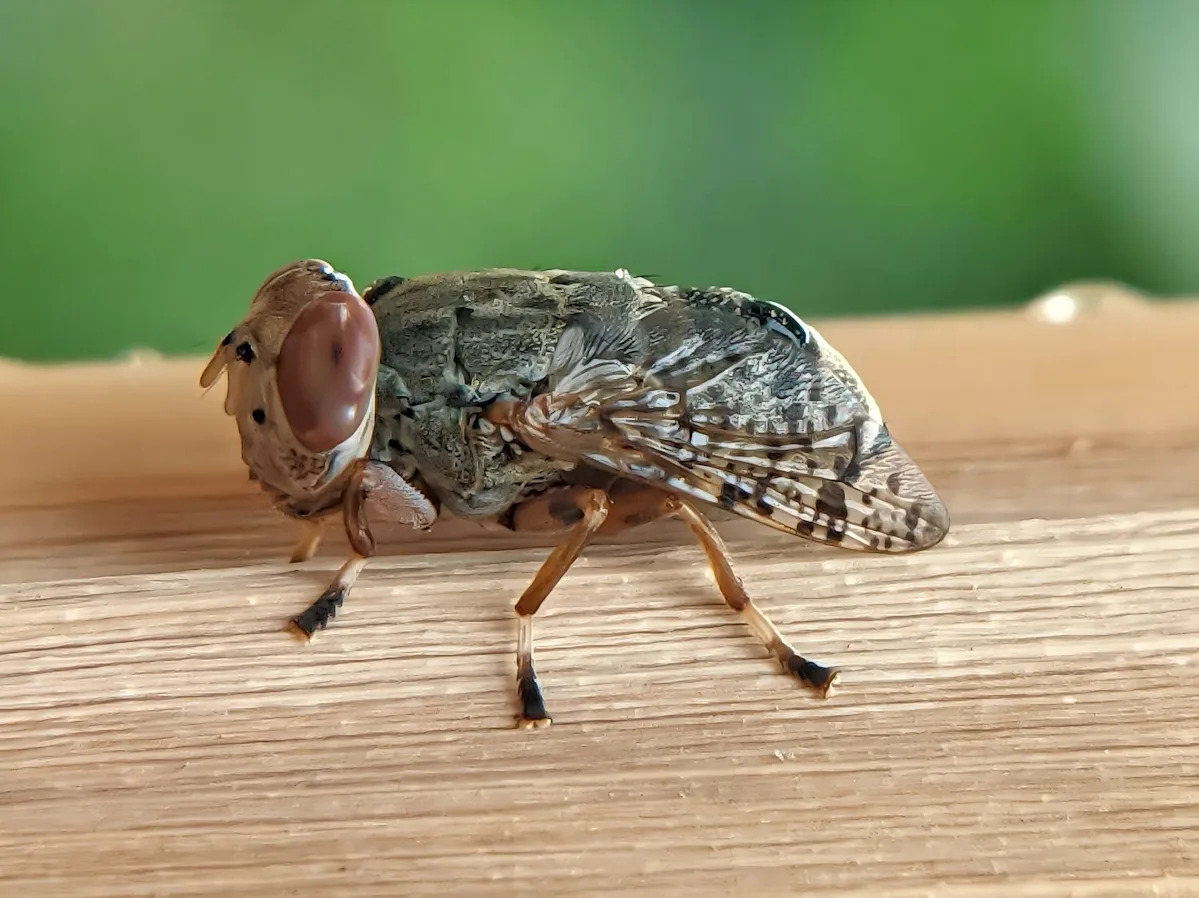
The post What Happens When a Botfly Infests a Horse’s Nose appeared first on A-Z Animals.
Quick Take
-
An Instagram video shows a botfly being removed from a horse’s nasal cavity.
-
The nasal botfly primarily chooses sheep and goats as hosts, and they only occasionally infest horses.
-
These botflies deposit their larvae in the nasal cavities of their hosts, which can cause irritation and pain.
-
Animals with an infestation often snort loudly, shake their heads, or rub their faces aggressively.
-
Manual removal is not recommended, as there are safer methods for the host animal.
While there are plenty of beautiful sights in nature, occurrences in the animal kingdom can also be downright nasty. One such example can be seen in the Instagram post by @natureuncharted. In the video, an individual is removing a nasal bot larva from a horse’s nose, and it is a pretty gross sight. While icky to watch, it was probably a relief for the horse. Read here to learn more about nasal botflies and why they live in horses’ noses.
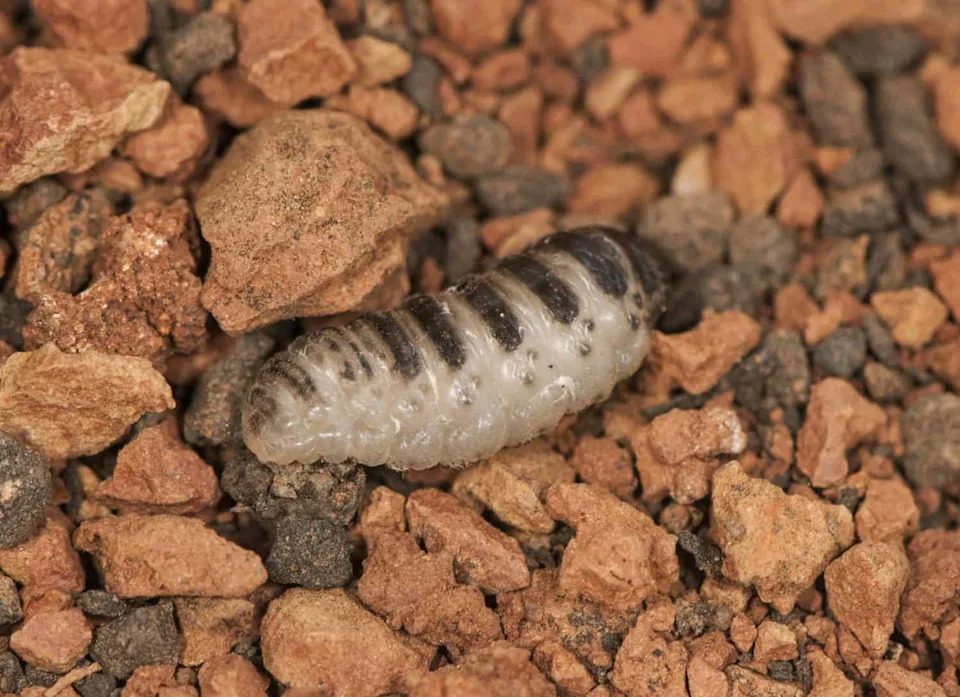
The nasal botfly pupates on the ground after being ejected from the host’s nose.
©Paco Moreno/Shutterstock.com
(Paco Moreno/Shutterstock.com)What are Nasal Botflies?
The nasal botfly, also known as the sheep nostril fly, is often confused with the horse botfly. Their primary hosts of the nasal botfly are sheep and goats, and they only occasionally infest horses. Alternately, the horse botfly primarily goes after horses. Nasal botflies, and more specifically their larvae, can be extremely uncomfortable for the host animal.
These botflies are larviparous, meaning they give birth to live larvae rather than laying eggs. As their name suggests, they deposit their larvae in the nasal cavities of their hosts. The adult female flies toward the animal’s face and ejects her larvae into its nostrils. The larvae will continue to crawl further into the nasal cavity and sinuses. They continue to grow here for weeks and weeks. Mature larvae are later sneezed out or crawl out of the nose to pupate in the soil and emerge as adults. This horror movie-like scenario is not common in horses, but infestations do occur. Animals with an infestation often snort loudly, shake their heads, or rub their faces aggressively.
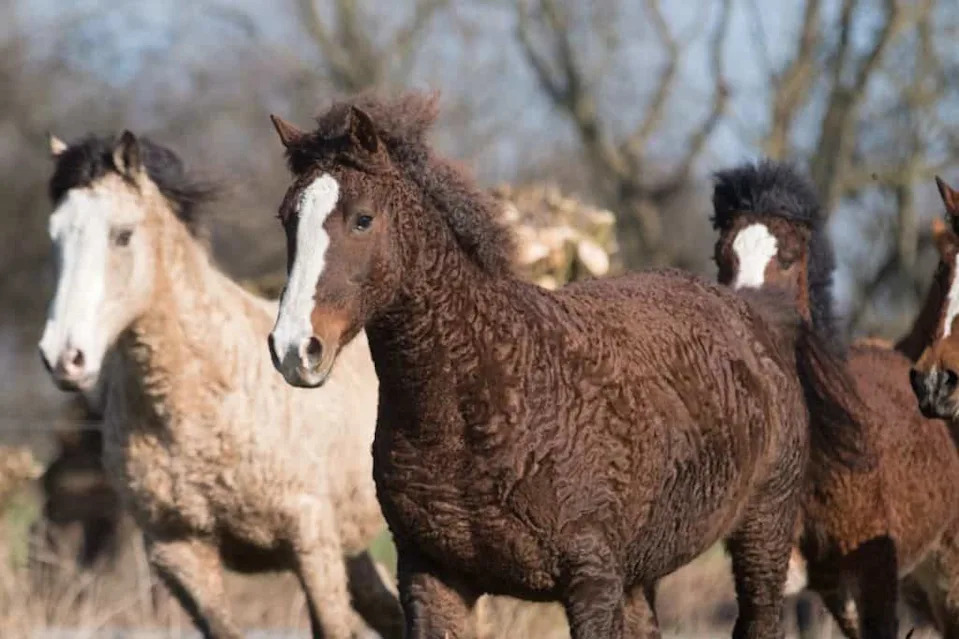
Nasal botfly doesn’t often affect horses, but instead hosts on sheep.
©juhipp/Shutterstock.com
(juhipp/Shutterstock.com)Any Treatments?
While the video shows the botfly being pulled out forcefully, this is not often recommended by veterinarians. Instead, there are a few other methods that are safer for the host animal. Antiparasitic treatments, such as ivermectin, are commonly used to treat nasal botfly infestations in sheep and goats and may be effective in horses, though veterinary guidance is essential. These medications target the parasites’ nervous system, which can help eliminate the larvae. However, treatment efficacy can vary, and removal methods should always be discussed with a veterinarian. Manual removal should only be done if the larva is already leaving the nose. If it is not, pulling on the larva that is clinging to tissue can be painful and uncomfortable for the host. This nasty process seems straight out of a horror movie; luckily, these flies rarely affect humans.
The post What Happens When a Botfly Infests a Horse’s Nose appeared first on A-Z Animals.