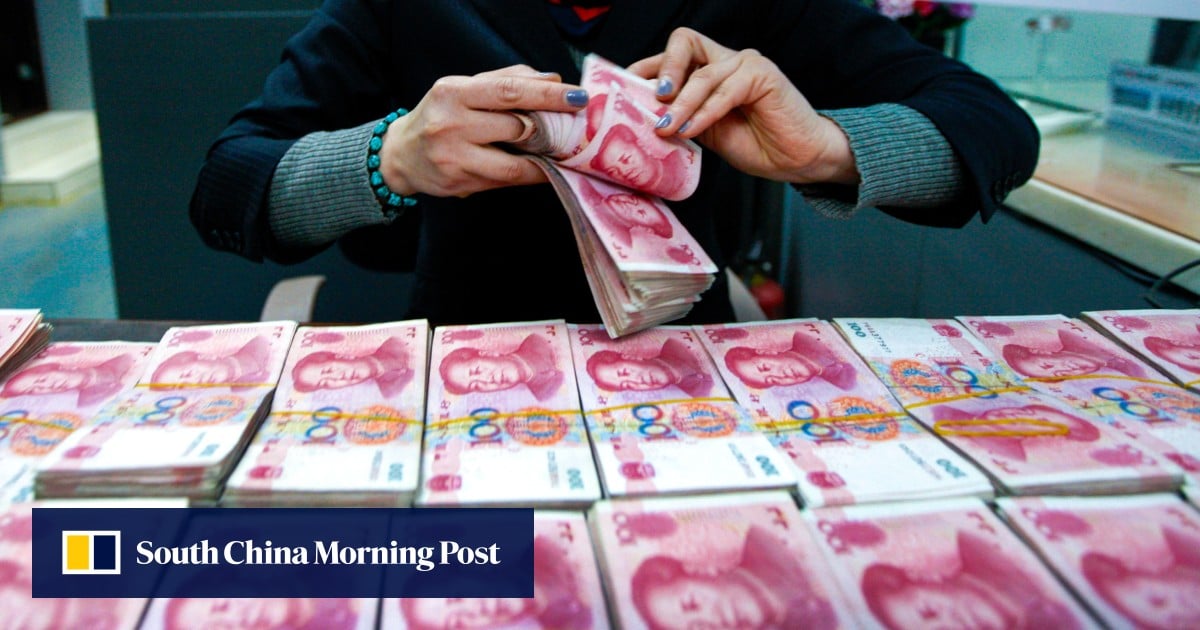
As of January, Zambia has begun collecting taxes and royalties from Chinese mining firms in yuan, and will cycle the currency directly back to Beijing to fund imports and service loans.
Experts said the shift reflected the southern African country’s urgent need to ease a US dollar shortage and manage debt, rather than geopolitical alignment, but also a quiet advance for China’s long-term strategy to internationalise its currency.
It had also created a tangible blueprint for other resource-rich, debt-laden African nations with deep trade ties to China, they added.
Dr Charles Mak of the University of Bristol Law School interpreted the move as a practical response to acute dollar shortages rather than a political signal.
“For a government under severe liquidity pressure, accepting the currency of its largest creditor and trading partner is a rational way to ease balance-of-payments stress, reduce transaction costs and manage debt service more efficiently,” the lecturer and assistant professor said.
The move did, however, have wider implications, Mak noted.