- A false social media claim about hyenas entering an eastern Nepal town highlights how rapidly online misinformation is spreading across the country, as internet and smartphone use rise.
- With dozens of complaints lodged over misleading content in recent months, the information disorder is challenging public trust and distorting perceptions of wildlife, experts warn.
- Nepal remains divided over how to respond, as debates continue between stricter regulation and greater investment in media and digital literacy, amid concerns that existing laws are being used to curb freedom of expression.
See All Key Ideas
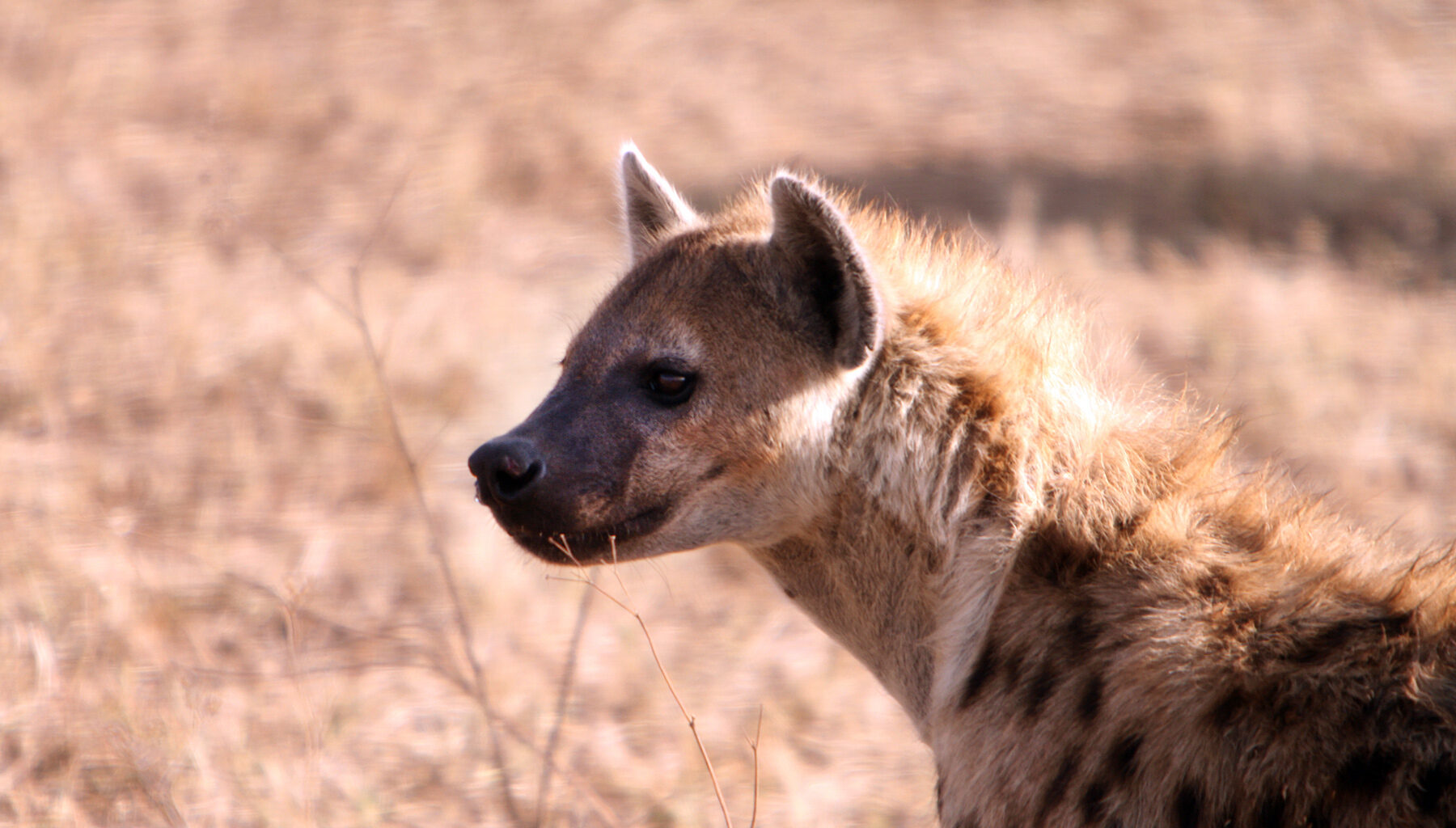
KATHMANDU — On Nov. 8, 2025, a sense of anxiety swept through Rangeli municipality in eastern Nepal. Social media photos appeared to show a cackle of spotted hyenas entering the town from the nearby India-Nepal border.
As the images went viral and were picked up by national media, the District Forest Office deployed a team to capture the animals, but to no avail. “No one could confirm the sighting, and we later found the information to be false,” said district forest officer Utsav Thapa. The hyenas in the image (Crocuta crocuta), found in Africa, are also not native to Nepal, it was later revealed.
The incident shows how online misinformation is increasingly shaping public perception in the country, including in the wildlife and conservation sector. Such false reports often create confusion and fear, leading to negative views of wild animals, said Gobinda Pokharel, a researcher and conservation officer at the National Trust for Nature Conservation Nepal.
“When it comes to wildlife, even many mainstream media publish unverified reports that help spread false information,” Pokharel told Mongabay. “Such instances not only incite fear and confusion but also affect people’s perception of animals, their behavior and, eventually, their conservation.”
The hyena incident is not a single isolated case. As internet and smartphone use become pervasive, various forms of misinformation ranging from fake wildlife sightings to protest-related falsehood, are spreading rapidly across social and mainstream media. The trend has fueled public fear while intensifying debates over regulation, digital literacy and freedom of expression.
Nepal’s 2021 census showed that approximately 73% of households owned a smartphone, 38% had access to the internet and 15% possessed a computer or laptop.
In 2011, when the previous census was conducted, 65% of households owned a mobile phone, 3% had internet access and 7% had a computer.
Similarly, the Nepal Social Media Users Survey 2021, conducted by Center for Media Research Nepal, found that nine out of 10 social media users in the country received misinformation online, with Meta’s Facebook, the most popular social networking site, identified as the most common platform where such content is encountered.
The scale and impact of online information disorder became especially visible during the recent anti-government “Gen Z protests.” Misinformation and disinformation circulated widely on both social media and online news sites during the demonstrations, including misattributed foreign videos, exaggerated claims of violence or casualties, miscontextualized military activity, religious or cultural distortions and false political or leadership claims.
 This faux-camera trap image of a tiger was created using ChatGPT. Rapidly developing AI technology is making it ever-easier to create realistic wildlife images that can spread misinformation create fear, panic or spark violence towards animals — or increase demand for rare species sold on the black market.
Although the harm caused by fake and manipulated content may not always be immediately visible, it has long-term consequences for media trust and accountability, said Deepak Khanal, spokesperson for the Press Council Nepal. “There are over 130 complaints the council has received in the past five months regarding misinformation and disinformation content published on print and digital media,” he said. “Taking the increasing number of complaints into account, we are trying to strengthen local and national media monitoring while coordinating with government bodies to regulate misinformation on digital platforms.”
How best to address the challenge remains contested. Opinion leaders are divided over whether stricter regulation or greater investment in media literacy offers the most effective response, said Ajay Bhadra Khanal, chief adviser to the interim government, speaking recently at a conference on misinformation in Kathmandu. Khanal said the mere introduction of stringent laws may not work in addressing misinformation and disinformation. The social media ban imposed by the previous government and the Gen Z protests that followed, he added, highlight the need for a digital literacy-based approach.
Introducing new laws alone would amount to only a quick fix, said Ujjwal Acharya, a researcher at the Center for Media Research Nepal. “Alongside policy-level interventions, we need media and information literacy that strengthens media through awareness and resources, establishes fact-checking cultures and ensures adequate investment,” he said.
Others argue that Nepal needs clearer and more targeted legal mechanisms. Officials such as Thapa from the forest office say the country should introduce laws and regulations that specifically address misinformation and disinformation. At present, all such cases are reported to the Cyber Bureau of the Nepal Police. According to bureau spokesperson SP Deepak Raj Awasthi, the bureau prioritizes cases involving criminal offenses, creating a gap in addressing noncriminal cases that spread false news without direct or immediate harm.
Section 47 of the Electronic Transactions Act (ETA) provides for action against false information. However, Awasthi said there should be a specific law to regulate all aspects of misinformation and disinformation across national and social media platforms, along with investment in human resources skilled in fact-checking tools and mechanisms.
At the same time, Nepal’s ETA has drawn public criticism for being used as a tool of censorship and for restricting freedom of expression. Under the law, the government banned 26 social media platforms, a move that triggered Gen Z’s anti-corruption protests in September.
With social media use continuing to rise, Acharya said any legal or policy response must align with press freedom and freedom of expression. “In an age of cutting-edge technology, access to misinformation has become easier,” he said, “and we need stricter mechanisms that are just and democratic.
Banner image: A real image of a spotted hyena in Tanzania, a species not found in Nepal and was mistaken for in viral social media posts in November. Image by Rhett A. Butler.
