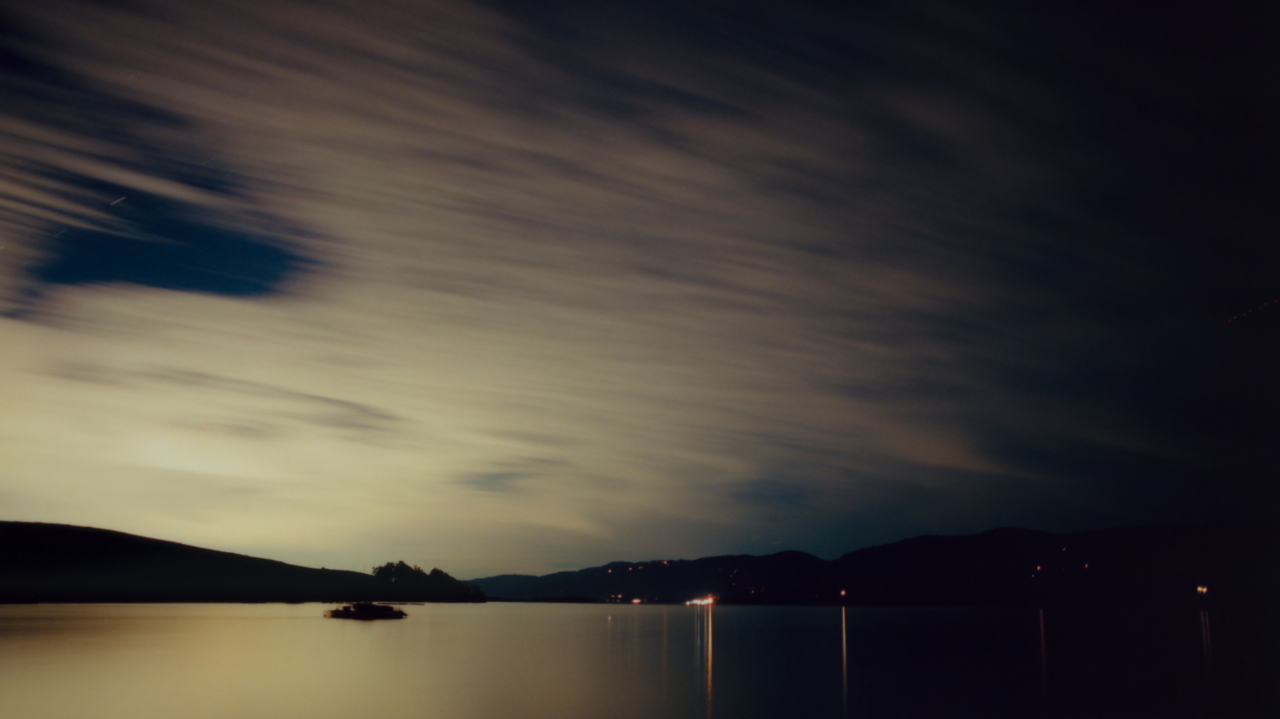
In the United States, Tucson, Arizona, is often held up as a leader in light pollution mitigation. The city adopted one of the nation’s earliest comprehensive lighting codes in 2012, largely in response to concerns raised by three nearby research observatories: Kitt Peak, the Fred Lawrence Whipple Observatory, and the Mount Graham International Observatory. Tucson’s lighting regulations, which govern brightness, color, and fixture direction, are intended to “minimize obtrusive and excessive outdoor lighting, safeguard the night sky for astronomical activities, and reduce energy waste, all while ensuring safety, security, and the enjoyment of nighttime activities,” according to the city’s official website.
Palo Alto late last year became the most recent American city to pass a sweeping set of ordinances requiring residences and businesses to turn off non-essential lighting after 11 p.m. Like Tucson’s rules, Palo Alto’s new law mandates replacing bright floodlights with dimmer bulbs and swapping unshielded fixtures with ones that direct light downward. The effort was led by Greer Stone, a city councilman and former mayor. Despite the Bay Area’s relentless glow, Stone sees Palo Alto as an ideal testing ground for regional change. “One of the things I’ve always loved most about Palo Alto is that we are a fairly dense urban environment that has found a way to incorporate the natural environment very organically into the city,” he said.
The ordinance could yield immediate benefits, according to Stone. “Better sleep quality, less annoyance, and higher quality of life in neighborhoods,” he said. Ecological gains matter, too. “We can help our local critters access our riparian corridors without excess light pouring in there.”