We know that one of the strongest predictors of not only gaining more years, but gaining more life in those years, is building strength and fitness. The challenge is knowing where we should stand as we age. In our 60s, we need to account for well earned experience, and accept that charging into a workout without a warm-up is no longer on the cards. So what strength and fitness goals should we actually be aiming for?
Coach Alain Gonzalez recently released a video outlining fitness benchmarks from age 40 onwards. Below, we’ve translated those benchmarks for men in their 60s, with sensible accommodations for different training backgrounds and experience levels.
Strength
As Gonzalez explains, ‘Muscle strength is one of the strongest predictors of all-cause mortality and overall quality of life as you age.’
Gonzalez expresses strength standards as one-rep-max equivalents, adjusted by decade. For men in their 60s, this equates to working at roughly 20% below 40s benchmarks. However, rather than testing a true one-rep max, the benchmarks below also include 5- and 10-rep max goals, which allow you to assess your strength more safely and practically.
‘They’re not elite standards,’ Gonzalez says. ‘They’re drawn from decades of strength coaching and adjusted for what men over 40 can still achieve with solid work.’
It’s important to emphasise that these are rough goals to work towards for those who already have some experience training, and you should approach them with a degree of flexibility. You should always tailor strength and fitness standards for your own fitness levels and capabilities, no matter what that looks like.
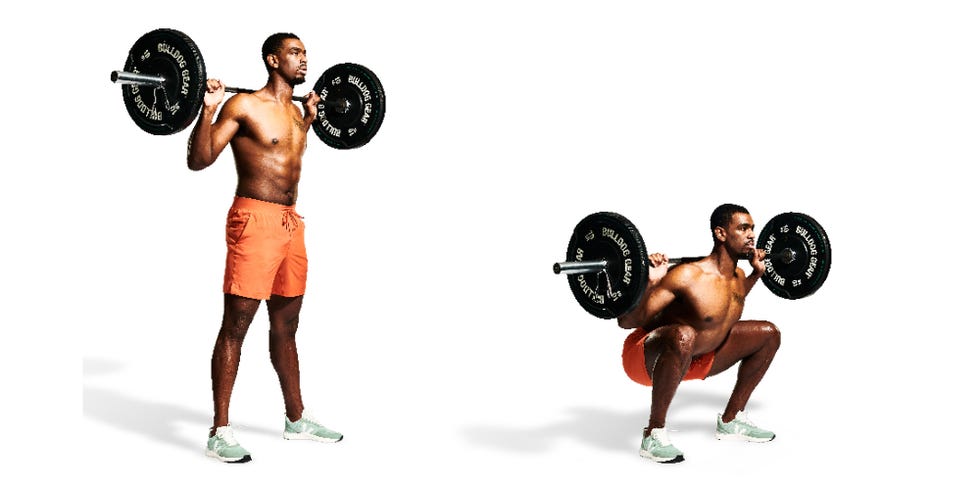
1RM benchmark (60s): ~1.3 x bodyweight
5RM goal: ~1.1-1.15 x bodyweight
10RM goal: ~0.9 x bodyweight
Acceptable variations:
- Barbell back squat
- Safety bar squat
- Smith machine: Add ~10% to the target load to account for the reduced stability demands of the fixed bar path.
A loaded squat tests leg strength, mobility, coordination and core stability. You should be able to reach consistent depth and drive out of the bottom position without loss of alignment.
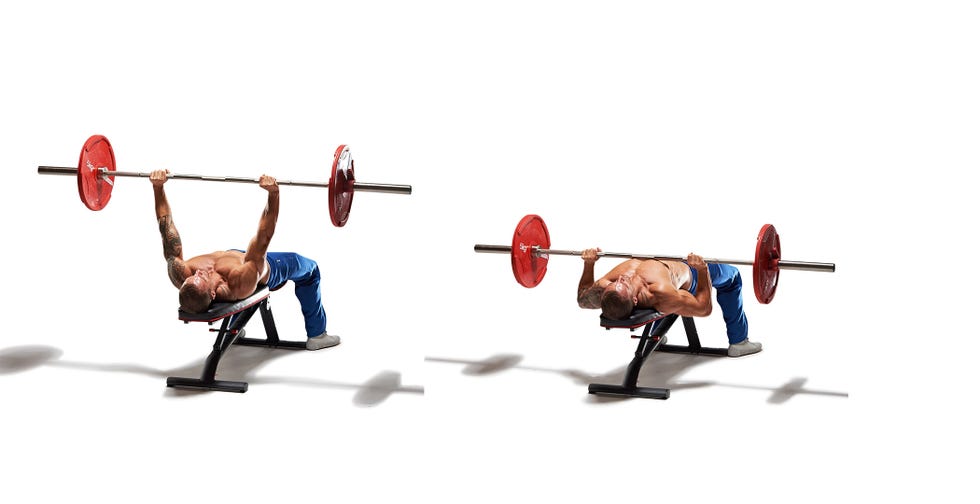
1RM benchmark (60s): ~0.8 x bodyweight
5RM goal: ~0.7 x bodyweight
10RM goal: ~0.6 x bodyweight
Acceptable variations:
- Dumbbells: Aim for a similar total load split evenly between hands
- Smith machine: Add ~10% to the barbell standard
Pressing strength reflects upper-body force production and shoulder stability. Reps should be smooth and controlled, without bouncing, flaring or loss of bar path.
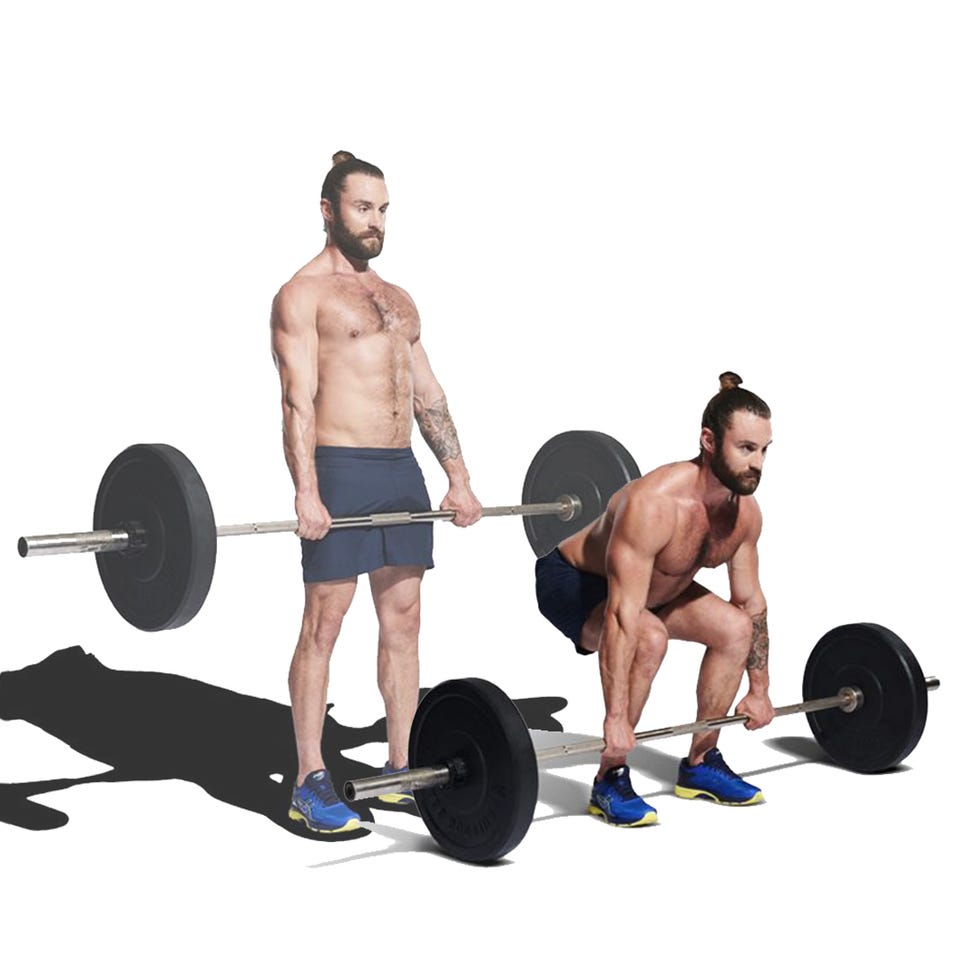
1RM benchmark (60s): ~1.45–1.5 × bodyweight
5RM goal: ~1.25 × bodyweight
10RM goal: ~1.05–1.1 × bodyweight
Acceptable variation:
This tests posterior-chain strength and hinge mechanics. You should be able to lift the load without hitching, jerking or form breakdown.
Endurance
Muscular endurance reflects how long muscles can repeatedly contract or sustain tension which is a key factor in joint health and long-term function.
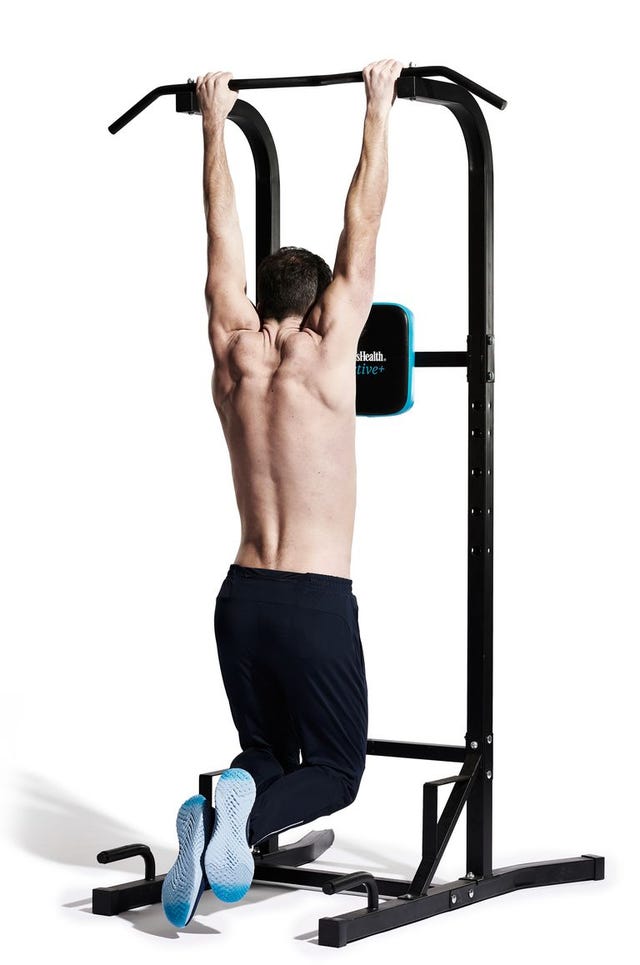
Target: 60 seconds, active hang
‘The goal here is to hang for at least 60 seconds, shoulders slightly depressed and scaps engaged,’ advises Gonzalez. If needed, build up using shorter sets. ‘Break it up into 3 sets of 30 seconds or 3 sets of 20,’ he says.
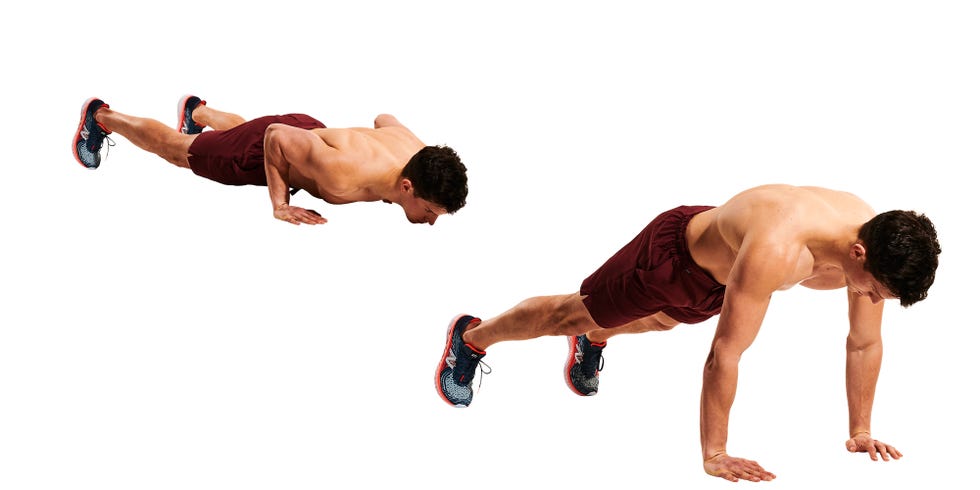
Target: ~45 reps
‘To pass this test, you’ll need to hit at least 55 reps if you’re in your 40s,’ says the trainer. Subtracting roughly five reps per decade places a solid benchmark for men in their 60s at around 45 reps. Reps must be with good technique.
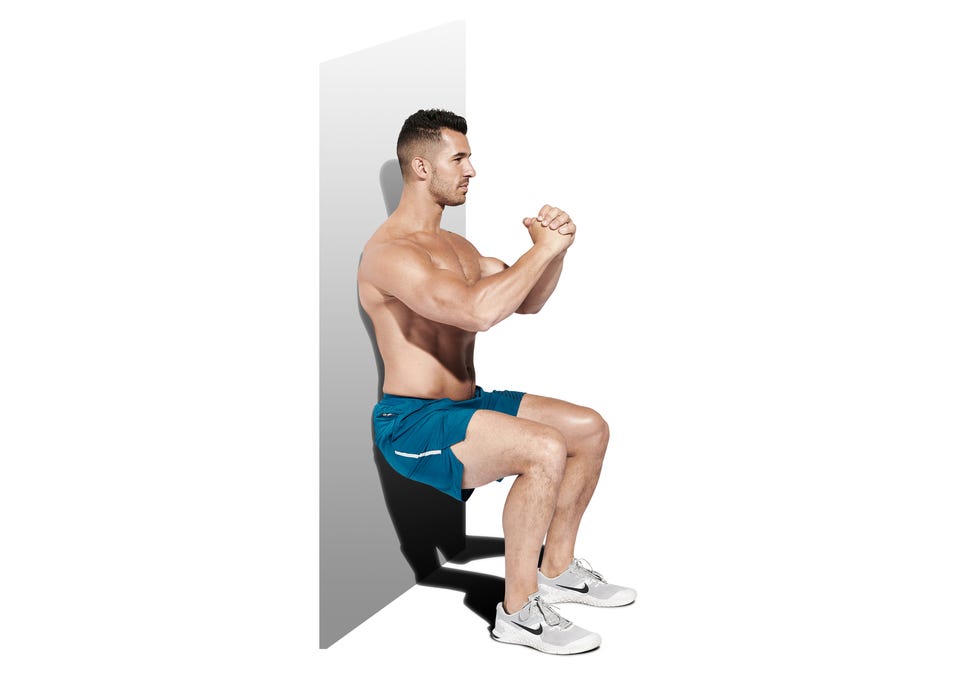
Target: ~90 seconds
If you can hold this position for around 90 seconds with good posture, Gonzalez notes your lower-body endurance is in good shape for your age.
Power
Power – the ability to produce force quickly – declines faster with age than maximal strength, making it essential to maintain. Rather than using maximal lifts, Gonzalez favours practical, functional tests.
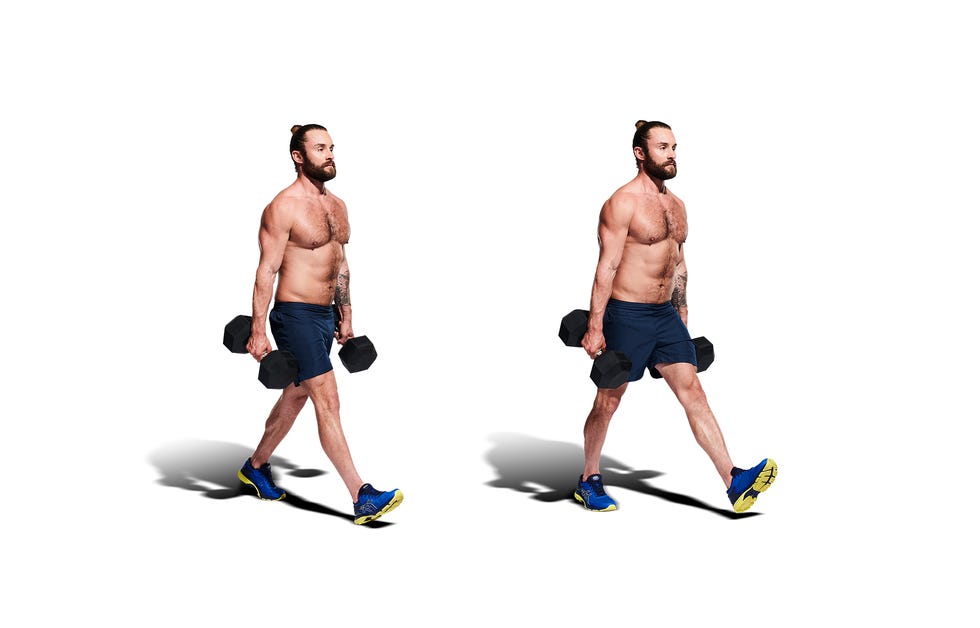
Target: 100ft carrying bodyweight, split evenly between hands
‘Carry your bodyweight split evenly between each hand for 100ft,’ says Gonzalez. This tests grip strength, posture, core stability and gait under load.
Broad Jump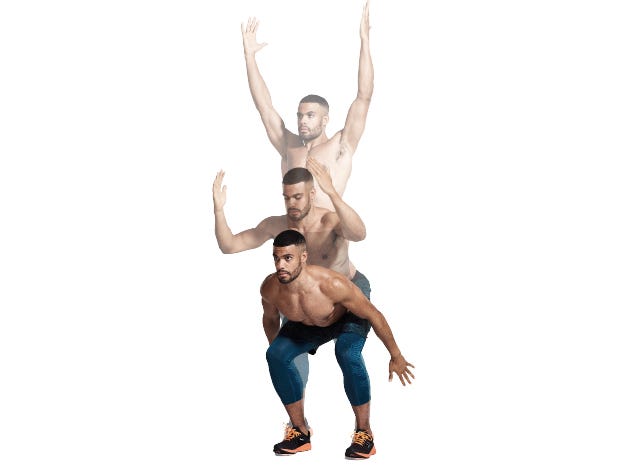
Target: Jump at least your own height
If you can cover at least your own height in distance, you’re still producing solid explosive force for your age.
Cardio Fitness
Cardiovascular fitness supports endurance, recovery between sets and long-term heart health.
Target: Under ~9 minutes
‘If you’re in your 40s and can complete a one-mile run in under eight minutes, it’s a clear sign your cardiovascular system is working at a high level,’ says Gonzalez. Adding around 30 seconds per decade places a strong benchmark for men in their 60s at just under nine minutes.
Balance
Balance often declines quietly, increasing the risk of falls and injury. The good news is that it can be measured and trained.
Single-Leg Stand (eyes closed)
Target: ~10-15 seconds per leg
Stand tall with arms crossed and eyes closed. Stop the timer if you hop, uncross your arms or place the other foot down. ‘If you’re hitting the target for your age group, it’s a strong sign your neuromuscular control and coordination are right where they should be,’ says Gonzalez.
The Bottom Line
These benchmarks aren’t pass or fail tests, and they’re not meant to be hit all at once. They’re reference points, helping you understand where you’re strong and where there’s room to improve. Adjust them to suit you, and try not to get too caught up in the numbers. Realistically, by reaching even 50-70% of these benchmarks puts you way ahead of most of the population.
In your 60s, maintaining strength, endurance, power, cardio fitness and balance isn’t always about chasing numbers; but with consistent, sensible training, all five qualities can still be improved well into later life.
Build strength, add muscle and strip body fat in 2026 with this simple four-week training plan from Men’s Health fitness director Andrew Tracey. You’ll also get a fully comprehensive nutrition guide, giving you the tools to create a smart, sustainable calorie deficit – without compromising your training. Tap the link below to unlock 14 days of free access to the Men’s Health app and start training today.
 Related Stories