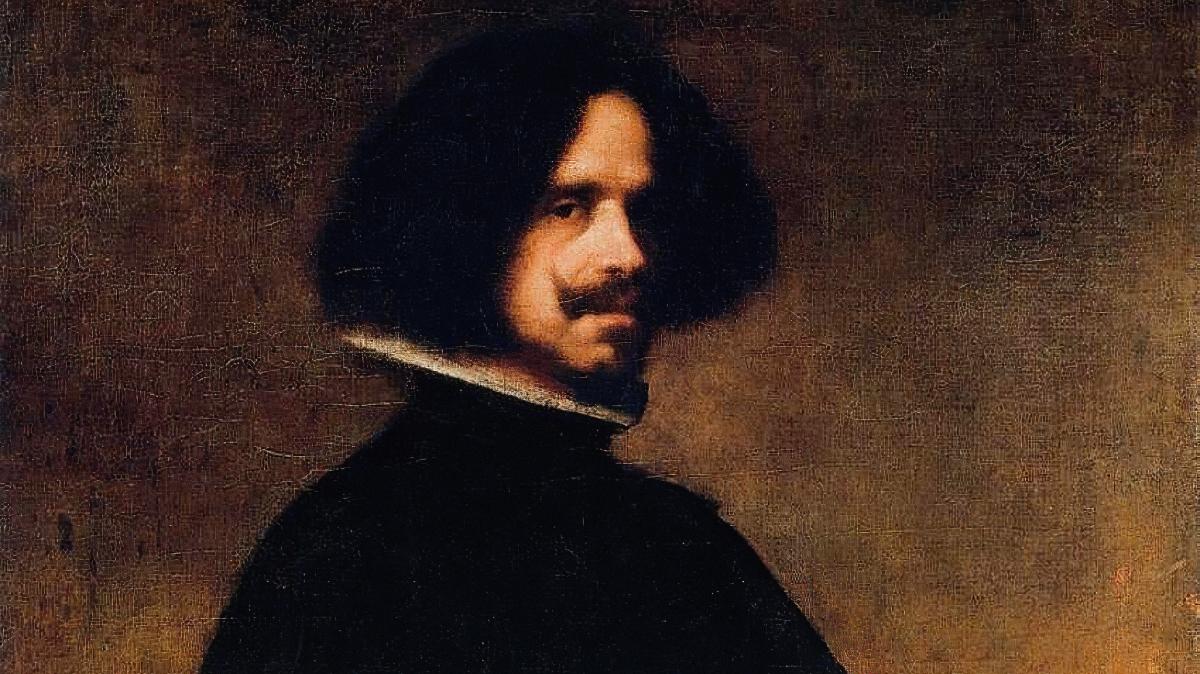
Since his death more than 360 years ago, the image of Diego Velázquez has been of an unflinching painter whose personal life was a picture of discretion and restraint.
Reluctant to be portrayed again by him towards the end of his life, Philip IV wrote in 1653: “I am not inclined to be exposed to Velázquez’s phlegm, nor to see how I am ageing.”
But newly discovered documents suggest that the artist’s personal life did not always withstand such scrutiny. They reveal a premarital affair that he tried to stop between his daughter and his protégé that posed a threat to his reputation at court, creating a scandal that until now has been lost to history.
Early biographers of Velázquez present the marriage of his daughter Francisca to Juan Bautista Martínez del Mazo as a providential tying of bonds between the families of master and disciple.
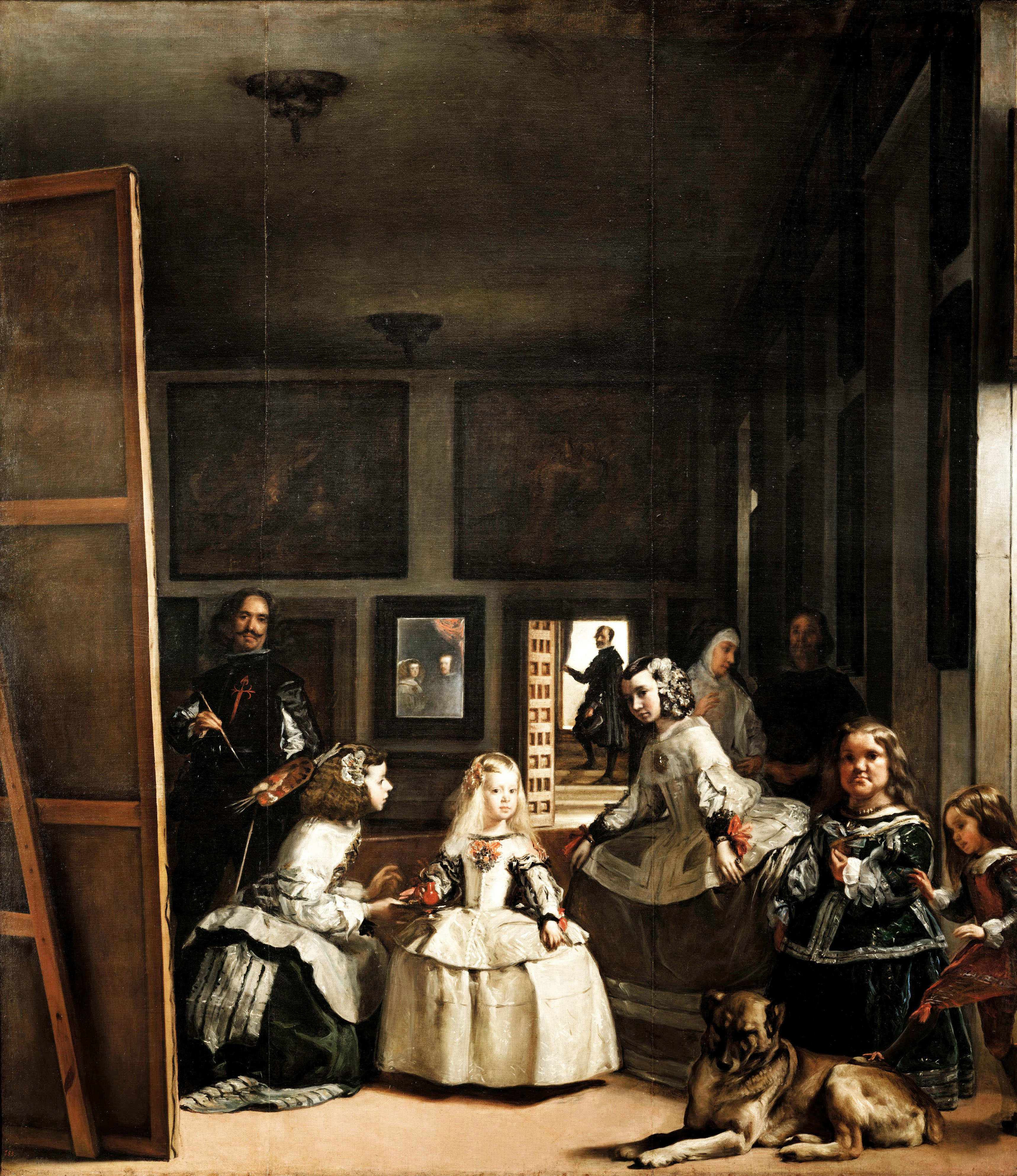
Las Meninas, by Diego Velázquez in 1656, depicts Margaret Theresa of Spain as a child
ALAMY
But the sixty-folio file, found in the Archivo Histórico Diocesano de Madrid by the art historians Patricia Manzano and Mario Zamora, shows that the union was preceded by scandal and a prolonged legal battle in which Velázquez tried to stop the marriage.
According to the file, Velázquez and his wife were shocked when they learnt — through their servants — that their 14-year-old daughter had spent nights with Mazo, then 27 and working at the famed painter’s atelier in Madrid. The pair, it transpired, had secretly pledged themselves in marriage.
• Velázquez masterpiece ‘disappears’ for second time
By that time in 1633, Velázquez was firmly established at court, a position achieved through artistic brilliance and careful control of his reputation. His own marriage to Juana Pacheco, daughter of the influential painter-theorist Francisco Pacheco, had been an early step in that ascent.
His daughter’s relationship with Mazo, it seems, was judged a risk. Rather than consent to it, he removed Francisca from Madrid and sent her to Seville under her grandfather Pacheco’s control, explicitly to prevent the wedding.
Mazo responded by appealing to ecclesiastical law. In his formal complaint he stated that the couple had exchanged binding vows and that Francisca had been taken away “against her will”. He asked the Church to locate her, take her testimony and enforce the marriage.
Witnesses were questioned within days. Their testimony is unambiguous. One confirmed that Mazo “had her two nights in his power” and “had had her virginity”. A maid in the Velázquez household described the exchange of vows in detail, including Francisca’s acceptance. All said that the relationship was consensual and known within the household.
The Church moved quickly. Pacheco was ordered to produce his granddaughter or face excommunication and a fine of two hundred ducats. When she could not be found, his goods were seized: paintings, books, furniture and an Italian image of Venus and Mars.

Mariana of Austria, wife of Philip IV, by Velazquez c 1652
ALAMY
Manzano told ABC newspaper: “It is very interesting that the Church is against Pacheco in this case, because it has been said that he was an overseer for the Inquisition. In other words, he was one of the artists who ensured that sacred images complied with decorum.”
• The tiny rural gallery that’s landed a baroque masterpiece
Everything points to Pacheco hiding Francisca in the convent of San Leandro in Seville. The abbess was questioned, but she denied knowing anything, suggested the researchers.
Francisca denied twice that there was a marriage agreement between her and Mazo or that she had been pressured into that denial by her family. “The document suggests that Francisca’s life would have been ruined if it had become known that she had broken off an engagement,” said Manzano.
Finally, Francisca confessed the existence of an agreement. “We do not know what happened to make her change her mind. They were married in the parish church of Santiago in Madrid on August 21, 1633, and moved into Velázquez’s house on Calle Concepción Jerónima,” said Manzano.
Ceán Bermúdez, an early biographer of Velázquez, would later claim that the elder painter, “enamoured of Mazo’s ability and honesty”, gave him his daughter in marriage.
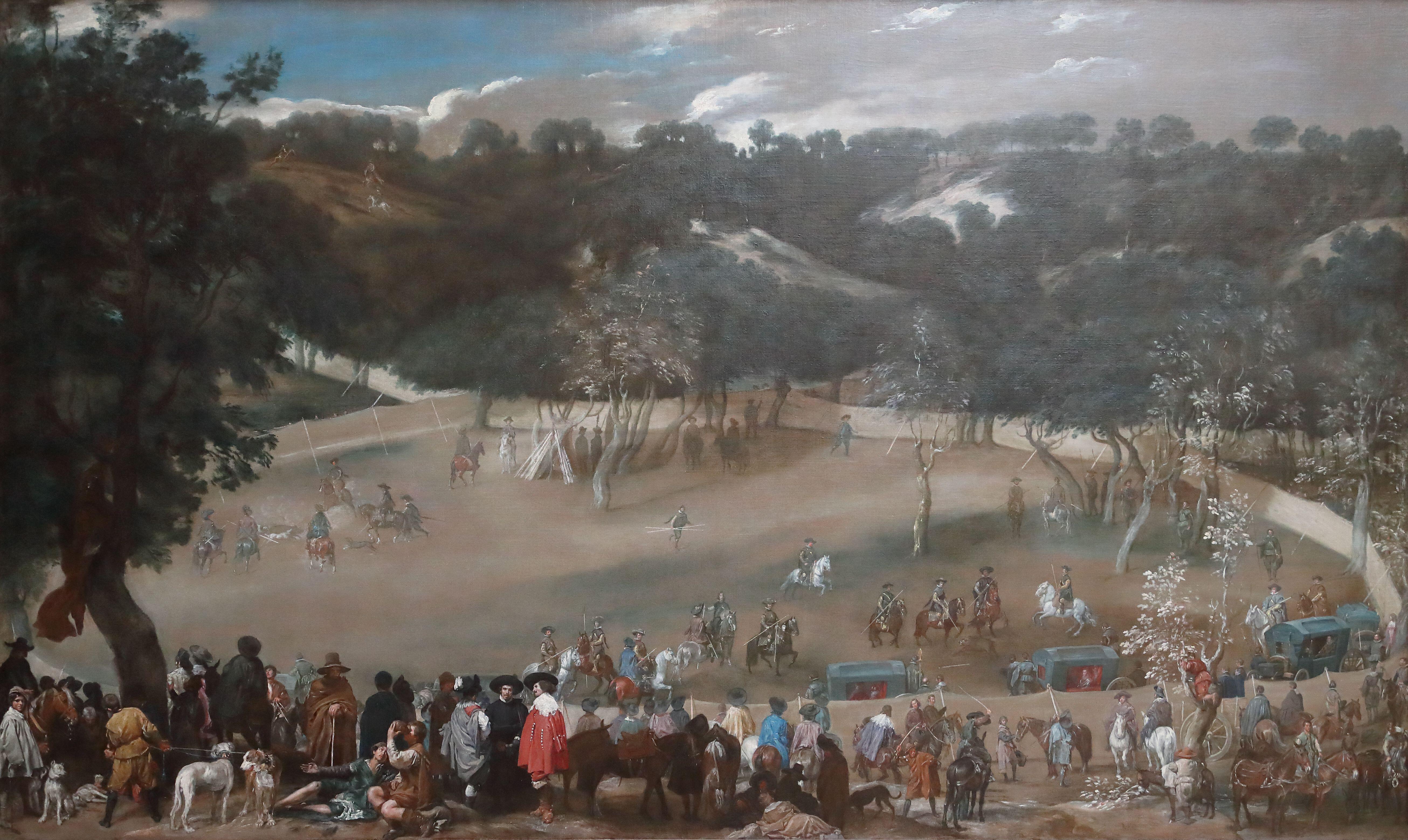
Philip IV hunting Wild Boar (La Tela Real) by Velazquez, now on display at the National Gallery in London
ALAMY
The art historians said the discovery raised several questions, including why Velázquez and Mazo maintained a close working relationship after such a bitter dispute. “If it had become public knowledge, it would have been a scandal. Velázquez could have reported him for statutory rape, as he had been with a minor without her father’s consent, but he decided to send her to Seville,” said Zamora. “It would have been a great disgrace for the family.”
“I think it makes a lot of sense that he wanted to climb the social ladder through his daughter’s marriage. And a scandal like this would have made things very difficult,” said Manzano.
“Mazo, on the other hand, was interested in consolidating his position in Velázquez’s workshop.” Velázquez soon gave Mazo his role as Usher of the King’s chamberlain and the younger man became an artist of some repute.
He did not take only that position. “His assimilation of Velázquez’s techniques and the quality that this entails sometimes makes it difficult to attribute the authorship of certain works to either the master or the disciple,” the Prado Museum catalogue observes.
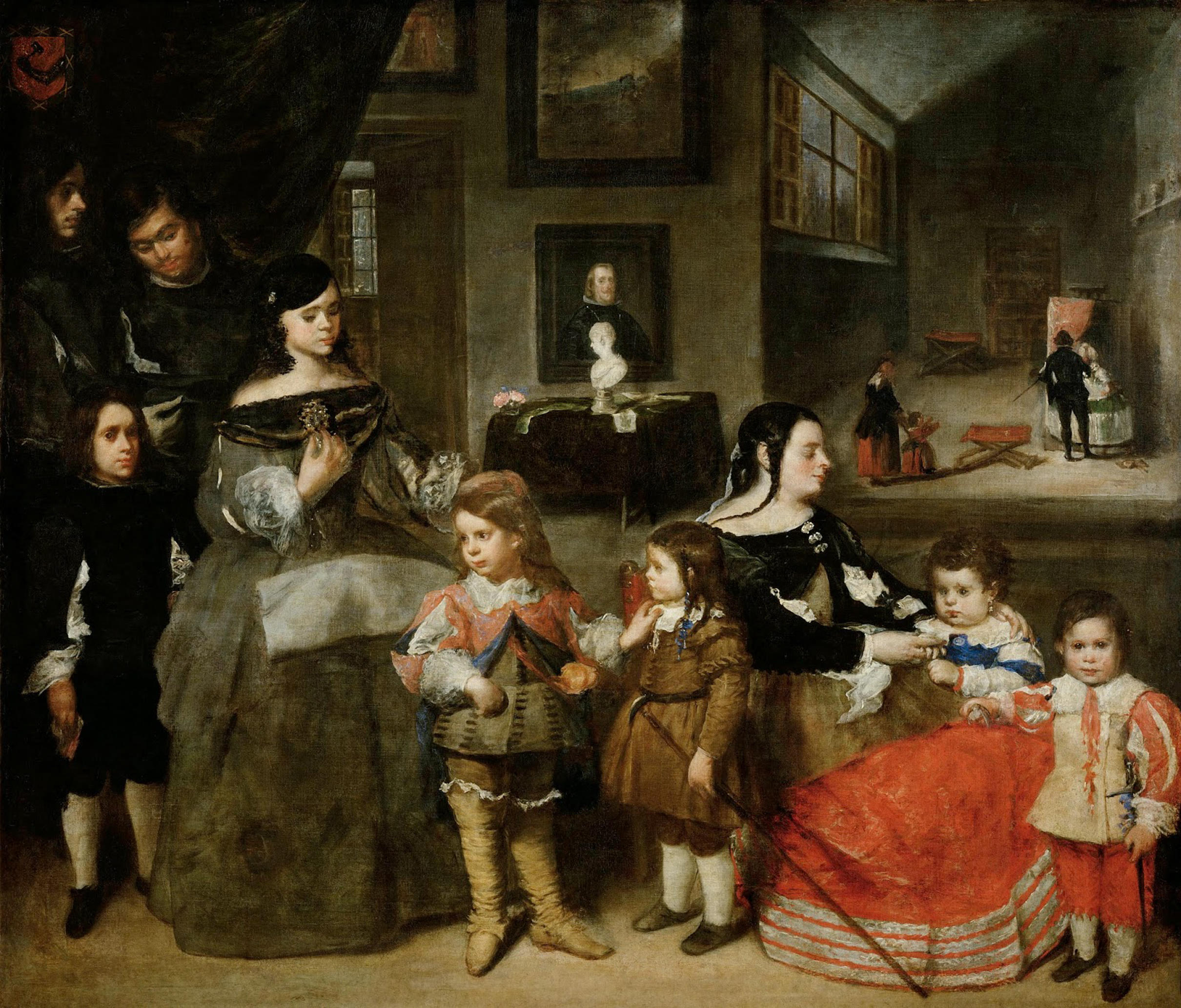
The Family of the Painter by Mazo
Mazo immortalised his four children from his marriage to Francisca, who died in 1658, on the left side of his painting The Family of the Painter, a homage to Velázquez’s Las Meninas. He became the official court painter after Velázquez’s death in 1660.