

Up to 50% of patients are affected by this common side effect of weight loss drugs.
(Fabio Camandona via Getty Images)
With 1.6 million adults in England, Wales and Scotland estimated to have used them in the past year, it’s safe to say that GLP-1 drugs have hugely grown in popularity.
The injectable weight loss drugs, such as Wegovy and Mounjaro, have proven to be very effective for trimming down, but they’re not always straightforward to take, with some people experiencing side effects as they adjust to the medication.
One of the most common is gastrointestinal issues like diarrhoea and nausea, with the latter said to affect more than half of patients. While these symptoms are usually mild and settle on their own, recent government advice warns they shouldn’t be ignored, as they can lead to more serious complications in some cases.
Here, a GP breaks down the science behind why GLP-1s can cause stomach issues and when exactly you should flag it with your prescriber.
Why do GLP-1 drugs cause gastrointestinal issues?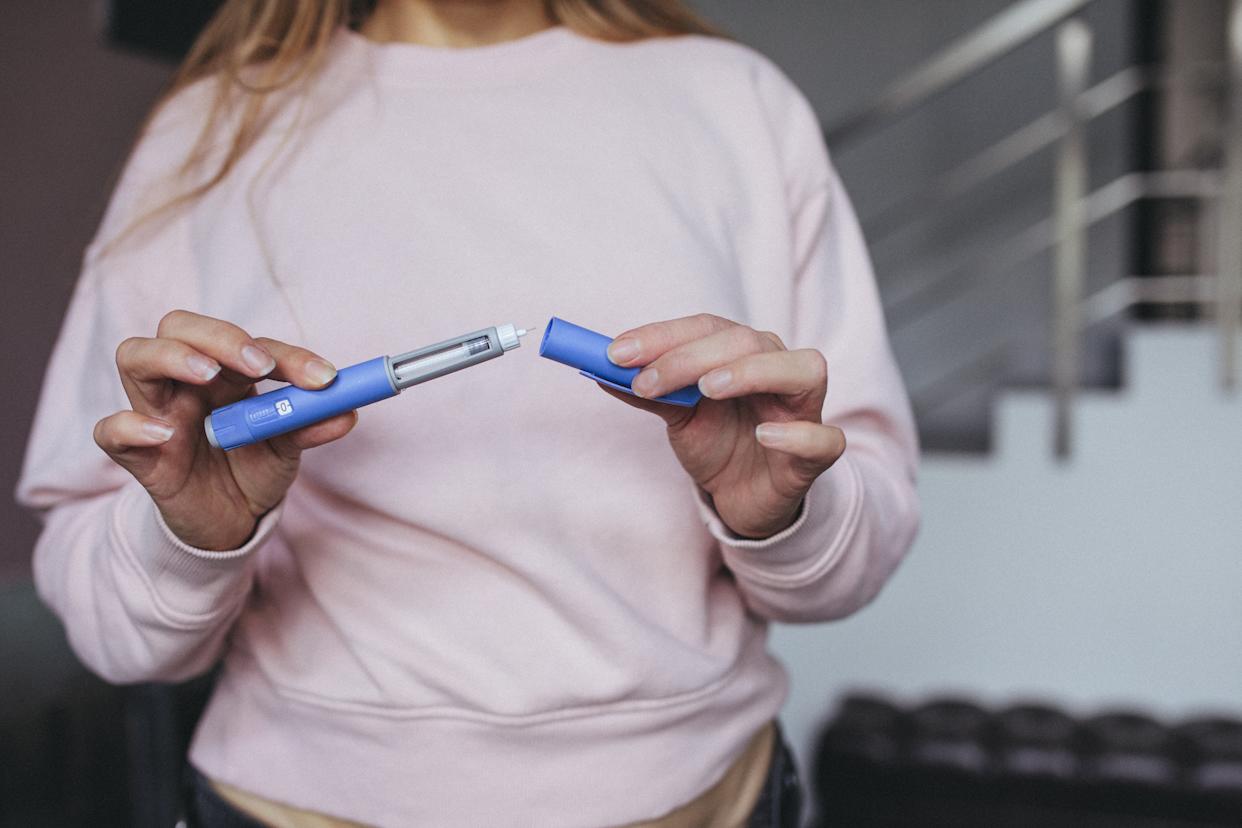
1.6 million adults in England, Wales and Scotland are estimated to have used GLP-1s.
(Tatsiana Volkava via Getty Images)
Loss of appetite, nausea, vomiting, and diarrhoea are rarely fun to deal with, but when they’re a side effect of a new medication, it can be confusing to know why they’re happening.
“Essentially, GLP-1 drugs act by directly impacting the way your gut moves,” explains Doctify-rated gastroenterologist Dr Hal Brindley.
“They slow how quickly your stomach empties, and they can also make your intestines and colon move a bit more. Those effects can contribute to food sitting in the stomach for longer, causing you to feel full, feel sick or experience problems like diarrhoea and loose motions.
“Those side effects are very common when people start taking this medication, and they’re experienced, to some degree, by probably around a quarter to a third of patients,” he assures. “However, there’s also a proportion of patients who have to stop the drug because of the severity of those side effects – around the 5% mark.”
When should these side effects be a cause for concern?
As weight loss drugs are so new, and we’re still learning about their effects, you might be wondering if ongoing issues with nausea or your bowels should be flagged to your GP.
“Those effects themselves are not usually severely dangerous, but there are some patients who have very severe vomiting, which can lead to dehydration because they’re not able to keep fluids down,” says Brindley. “That’s rare, but it can happen, particularly when people are escalating the dose.”
For this reason, the government advises people taking GLP-1s to stay well hydrated by drinking plenty of fluids, as dehydration can lead to serious health complications such as kidney damage.
“The main concerning issue would be if you’re not able to tolerate eating or drinking, particularly if you can’t keep fluids down,” says Brindley. “That’s a sign that would need medical review.”
Brindley adds that these gastrointestinal side effects are typically most prominent in the first two weeks after starting the medication, and then tend to settle down thereafter.
However, if a dicky stomach persists after the initial adjustment period or gets worse, it’s important to get this symptom checked out, as, although rare, it could be a sign of something more serious, such as acute gallstone disease, pancreatitis or an allergic reaction.
“The typical sign of pancreatitis would be quite severe central abdominal pain associated with vomiting,” he explains. “Vomiting can happen with the drug on its own, but if you have severe abdominal pain alongside it, you would need screening blood tests to check for pancreatic inflammation.”
When to chat your GP about side effects
The bottom line with GLP-1 medications is that any side effects should be reported to your GP or prescriber so they can monitor your response to the injections and adjust your dose if needed.
“It would be normal for bowel frequency to increase, perhaps by around 50%,” says Brindley. “But if it’s increased five or ten-fold, that would certainly need to be flagged with the prescriber, as you may need a dose reduction or even to stop the medication, depending on where you are in the treatment schedule. The same applies if side effects persist or worsen over time, rather than settling down.
“Most GPs or providers will usually counsel patients on these side effects,” he adds. If you’re receiving a private prescription outside of the NHS, recent government advice recommends checking that it’s dispensed by an authorised source, such as a registered online pharmacy, to ensure the medication is safe and legitimate.
Finally, if you’re dieting, it’s important to keep a close eye on any other subtle symptoms or changes in your health. “The main red flag people usually worry about with certain conditions, such as anaemia, for example, is weight loss, but with these medicines, most people lose weight anyway as part of how they work – so changes can be tricky to spot,” explains Brindley.
“With something like gastric or colon cancer, you’d expect weight loss too – but because weight loss is expected on these medicines, it might not stand out in the same way. So it’s a good idea to keep a symptom diary and report any new changes to your GP.”