
According to the UN, the “buildings and construction sector is by far the largest emitter of greenhouse gases.” Sustainable architecture, in essence, tries to change that—and is more needed than ever. As climate change intensifies, it challenges architects and designers to consider the impact of their work in every step of the building process, from raw materials to site impact to future maintenance, decades down the line. Here, we spoke to several architects about their practice and how the key facets of sustainable architecture show up in everyday projects.
What is sustainable architecture?
Sustainable architecture refers less to how a building looks and more to how it performs; it’s a way of building that considers the full life cycle of a structure, from building materials to daily use to eventual maintenance or reuse. Thus, distilling sustainable architecture down to one pillar or practice is practically impossible. “It’s not only a matter of energy performance or material efficiency,” says Eran Chen, founder of ODA. “It begins with extending the life of existing structures, conserving embodied carbon, and creating buildings that remain useful, adaptable, and meaningful over time.”
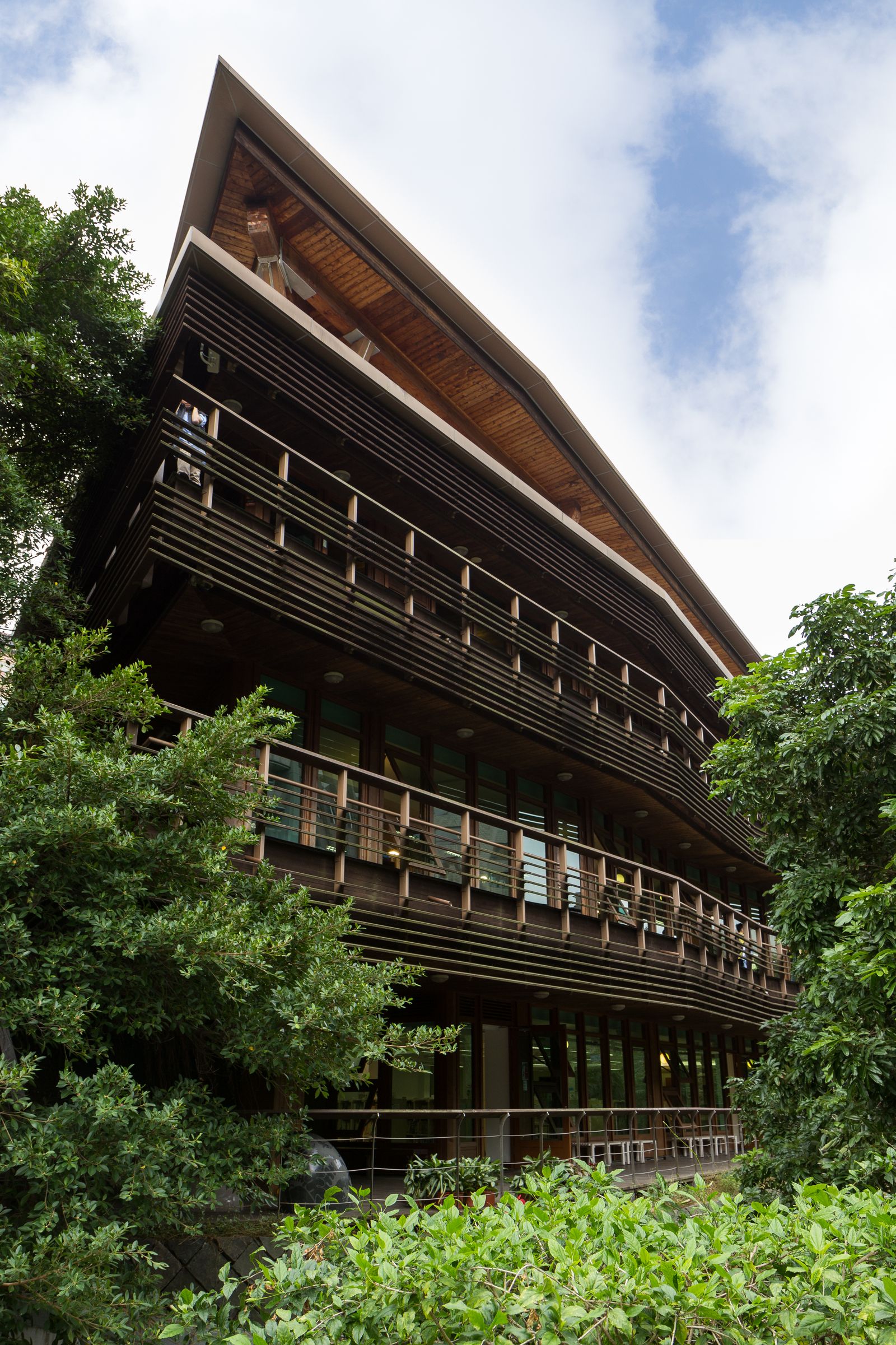
The Beitou Branch of the Taipei Public Library is considered Taiwan’s first green library. It includes features like a rainwater harvesting system, solar panels, and recycled steel.
Photo: Tuomas A. Lehtinen/Getty Images
Generally, building sustainably means building with a carbon footprint in mind, and engineering creative solutions to keep that footprint small. “Materials are chosen for their origins and their long-term impact, buildings are oriented to natural light and views, and the footprint is guided by how to tread as lightly as possible,” adds Lucia Bartholomew, cofounder of Electric Bowery.
Why is sustainable architecture important?
“When sustainability becomes only a label, nothing improves. When the idea is taken seriously, architecture can actually reduce the impact buildings have over the decades they exist,” says Scott Specht, founder of Specht Novak. “Buildings use a huge amount of energy and materials, so how we design them has real consequences.”
For residential projects, sustainability can be incredibly important to clients not only for ethical reasons, but for comfort and reliability: “People want homes that feel good, run efficiently, and do not require constant upkeep,” adds Specht. On an urban level, sustainable architectural design becomes more pressing as populations grow. “Cities are growing denser while facing escalating ecological and social pressures,” says Chen. “Designing responsibly means reducing waste, reusing resources, and creating buildings that contribute positively to the public realm.”
History of sustainable architecture
“The history of sustainable architecture begins long before the term existed, in a time when buildings were shaped by climate, local materials, and an intuitive understanding of how to work with the land,” says Bartholomew. Over more recent decades, sustainable architecture has evolved into a critical discipline that integrates principles of environmental responsibility with modern architectural design practice. Sustainable architecture as the term we know now was popularized during the 1960s and 1970s as environmental awareness was growing (Rachel Carson’s Silent Spring, an opus of sorts that inspired the modern environmental movement, was published in 1962).
The 1990s marked a turning point, as sustainable architecture became more formalized. In 1998, the US Green Building Council launched LEED (Leadership in Energy and Environmental Design), the world’s most recognized green building rating system. LEED certifications provide a concrete framework for healthy, efficient, and cost-saving buildings—pillars now commonly considered the core of sustainable building and eco-friendly green architecture.