Interior spaces are intrinsically personal, so it can be hard to pinpoint specific trends. In fact, many interior designers avoid the trend conversation entirely and instead lean heavily into personal style. As Paul Hecker, co-founding principal of design practice Hecker Guthrie, says, “Style doesn’t date”.
Still, if you’re looking for something to help guide you, we asked six of Australia’s top interior designers to share what’s recently piqued their interest, and how to incorporate these design notes into your own space. From moving away from maximalism to a return to heritage, here are what these designers are paying attention to.
Shona McElroy, founder and principal of Smac Studios
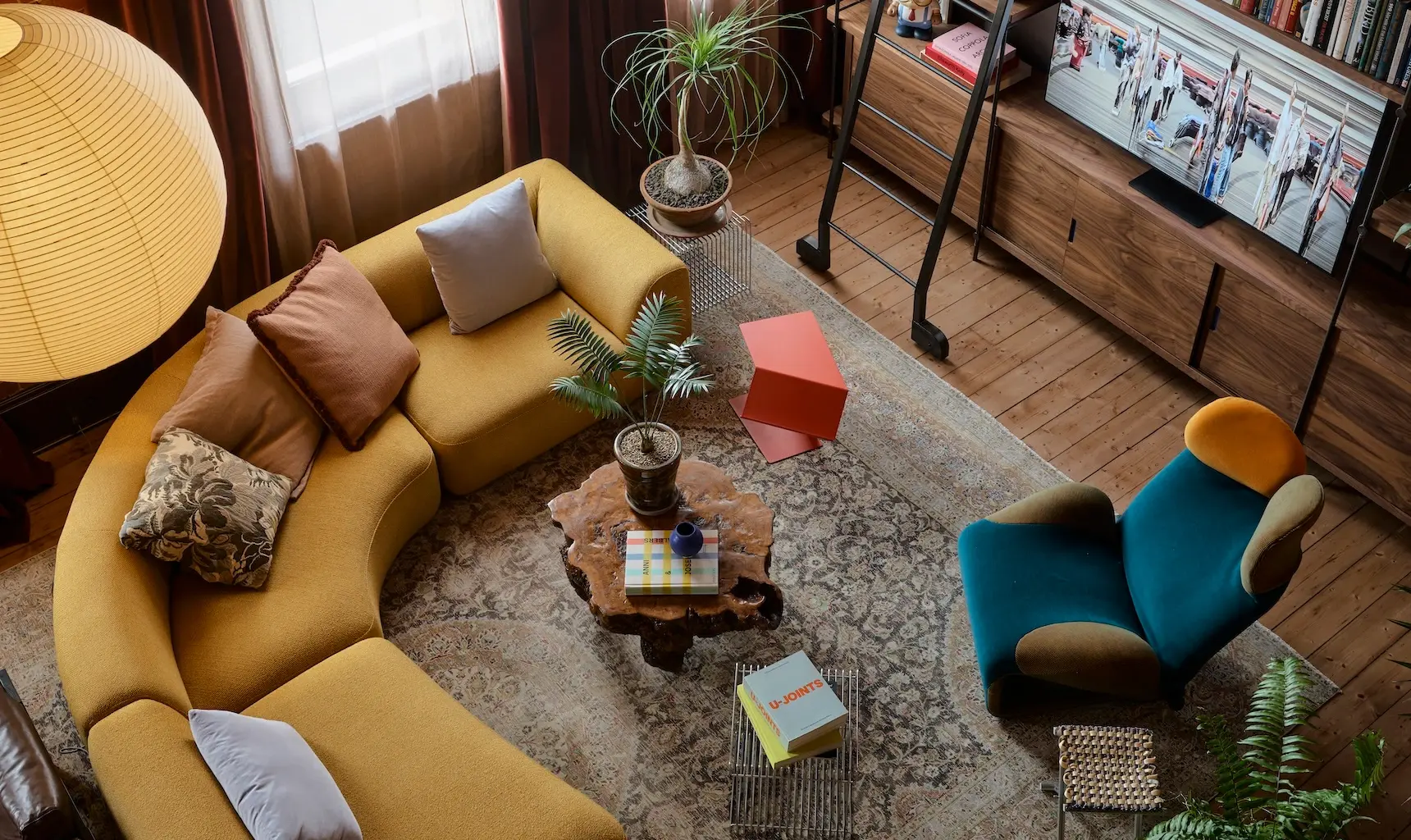
[We’re seeing a] resurgence of the ’70s. Warm midtone timbers, glass bricks, lacquer, chrome and nickel, conversation pits, shiny bold carpets, mosaic tiling – they’re all back, baby. The great thing about ’70s interior design is that all the spaces look like they were made for a very cool party. Unlike Parisian or Mediterranean styles that rely on pre-existing building conditions such as high ceilings and sweeping curves, ’70s style can work within most people’s homes, the idea being that the colours, palette and styling create the mood.
David Flack, founder and principal of Flack Studio
Right now, I’m particularly drawn to spaces that embrace thoughtful curation and imperfection, rooms that feel carefully collected over many years rather than decorated all at once. There’s something deeply satisfying about mixing vintage pieces with contemporary design, creating layers of history and character that give a space genuine authenticity. I’m also fascinated by utilitarian objects within the home, and the quiet intelligence of art and design books that teach you something new.
A few pieces to channel this: U-Joints – A Taxonomy of Connections is a beautiful book celebrating the intricacy of joints and smaller detailing, perfect for coffee table stacks. The Mazha stool by Tanchen brings a fun, lightweight durability with a distinctly utilitarian ’70s vibe. For lighting, I always prefer ambient, glowing warmth and our Tux table lamp (in collaboration with Volker Haug Studio) delivers exactly that. Antique Persian rugs add richness to any room and pair beautifully with contemporary pieces. Finally, the LC14 Tabouret Cabanon is a timeless classic that looks good everywhere.
In 2026, I’m drawn to interiors that are rooted in craft, texture, narrative and a relaxed but resolute elegance – environments that make you stay longer and feel genuinely at home.
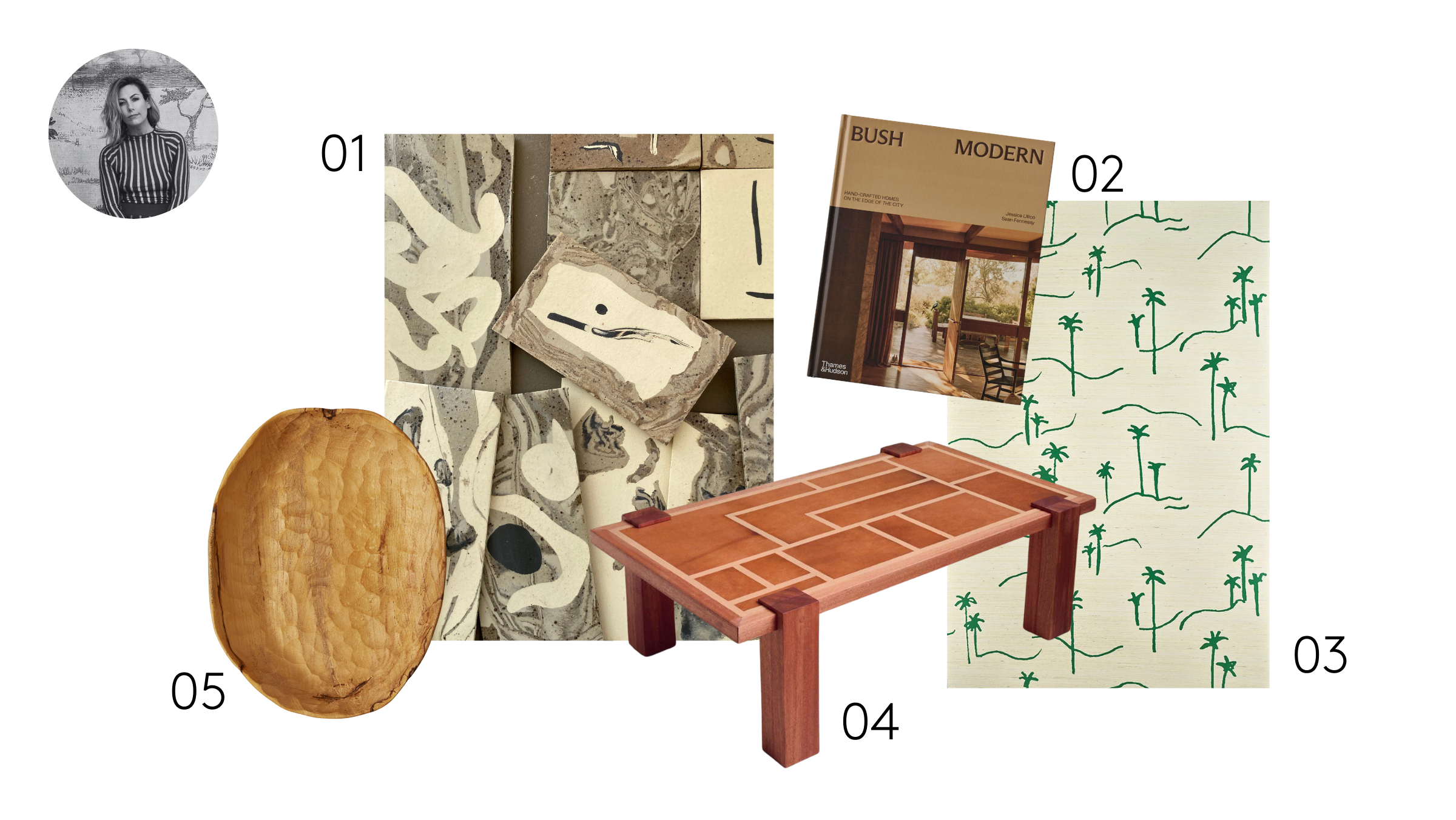
One of my favourite ways to introduce personality and place into a room is through wallpapers. The Pierre Frey Ammos wallpaper embodies personality. Its gentle, figurative pattern evokes sunbaked landscapes and a desert palette that is both earthy and unexpectedly sophisticated.
Sunfish Furniture, a discovery from my travels and friends in Los Angeles, is crafted, considered and quietly modern with an organic sensibility.
The shift is toward furniture that feels architectural yet human, sculptural yet familiar – pieces you sit with, on and that will create interest in a room. There’s something inimitable about a piece of wood that bears the hand of its maker. The Thursday Furniture hand-carved Hackberry bowl captures this beautifully: natural, utilitarian, slightly imperfect.
Tiles are no longer a quiet afterthought – they’re a site of expression. The Studio Lucy McMillan collection from Obery is a perfect example. You can see the maker’s hand in their texture, their variation and their gentle imperfection. This year, surfaces will move toward tactile, artisanal materials that give a space a grounded, inviting presence.
The rooms that stay fascinating aren’t those that feel staged. That’s where earth-toned books like Bush Modern come into play: muted spines, naturalistic covers, a bit moody, a bit thoughtful.
Paul Hecker, co-founding principal of Hecker Guthrie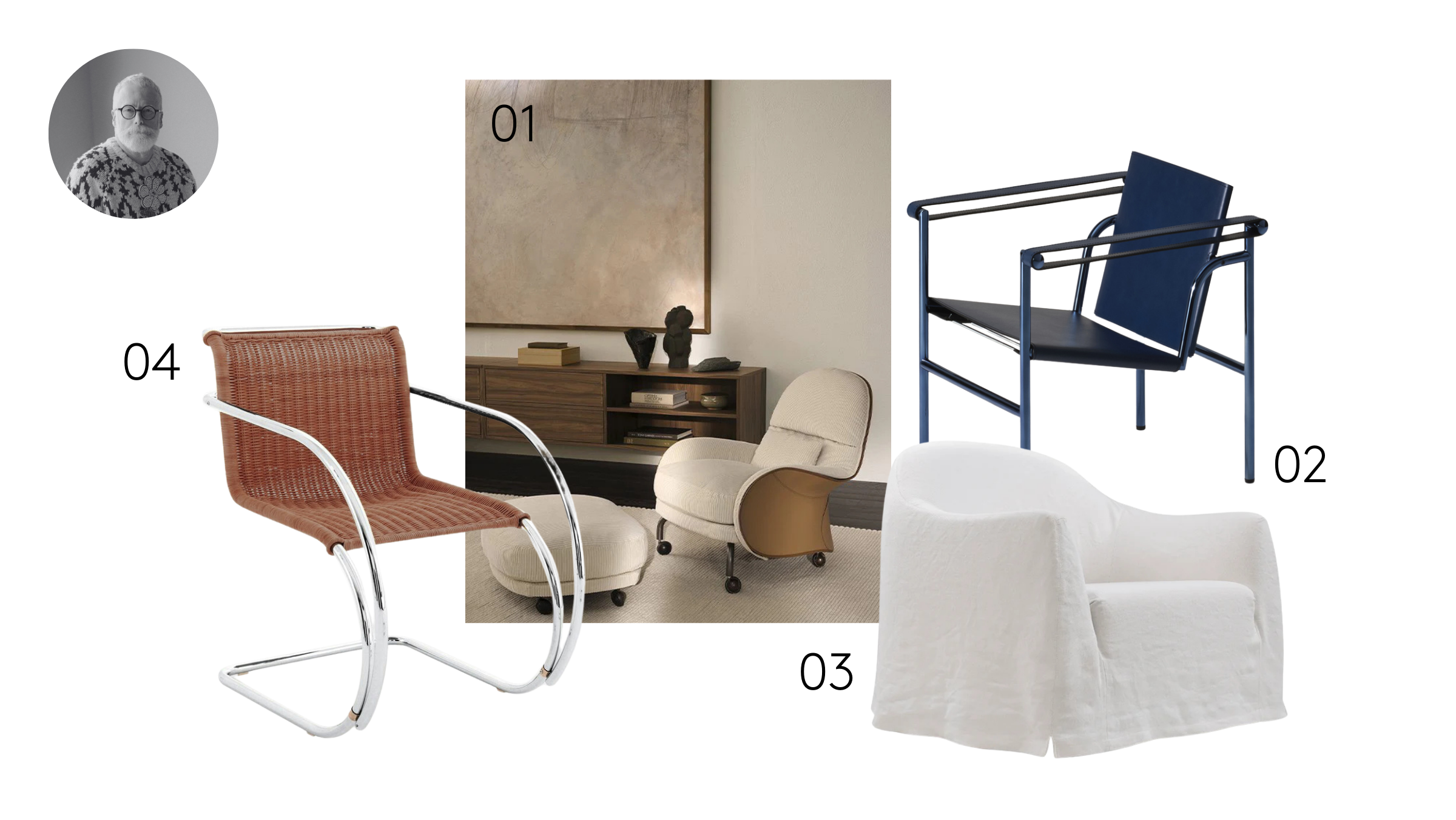
I’ve never been one for trends in the traditional sense. For us, it’s never about following what’s next, it’s about whether something is well resolved. Style doesn’t date, but poor execution does.
What feels particularly relevant right now is a return to heritage. Not in a nostalgic or overly traditional way, but through the thoughtful reimagining of classic pieces. Brands like Knoll and Cassina are doing this beautifully. Knoll has reissued the MR chair in a rust-toned powder coat, and Cassina has brought back the Bruno chair in a blue chrome frame. These are familiar forms, reinterpreted with subtle shifts in colour and finish that feel entirely of today.
At the same time, we’re living in a design landscape that’s more diverse than ever. There’s no one “right” aesthetic. Minimal, maximal, old, new – it can all work. The difference lies in how well it’s done. For anyone looking to bring this thinking into their own space, focus on pieces with integrity. It might be vintage, reissued or simply well made. Don’t worry about curating a theme, just look for what feels grounded and considered. When design is done with intent, when it has a story and a sense of care, it has longevity. That’s what matters.
Rachael Fry, founder and creative director of Criteria
I am loving the attention that artists and designers are getting, and the growing appreciation for their process and mastery of materials. In the decade that we’ve run Criteria and C Gallery, we have always looked for pieces that are made on a human scale and celebrate craft, materiality and the maker; we believe that pieces are meant to be lived with for years and passed down as heirlooms. As such, I always believe that including a thoughtful and layered mix of pieces in an interior can add unexpected nuance.
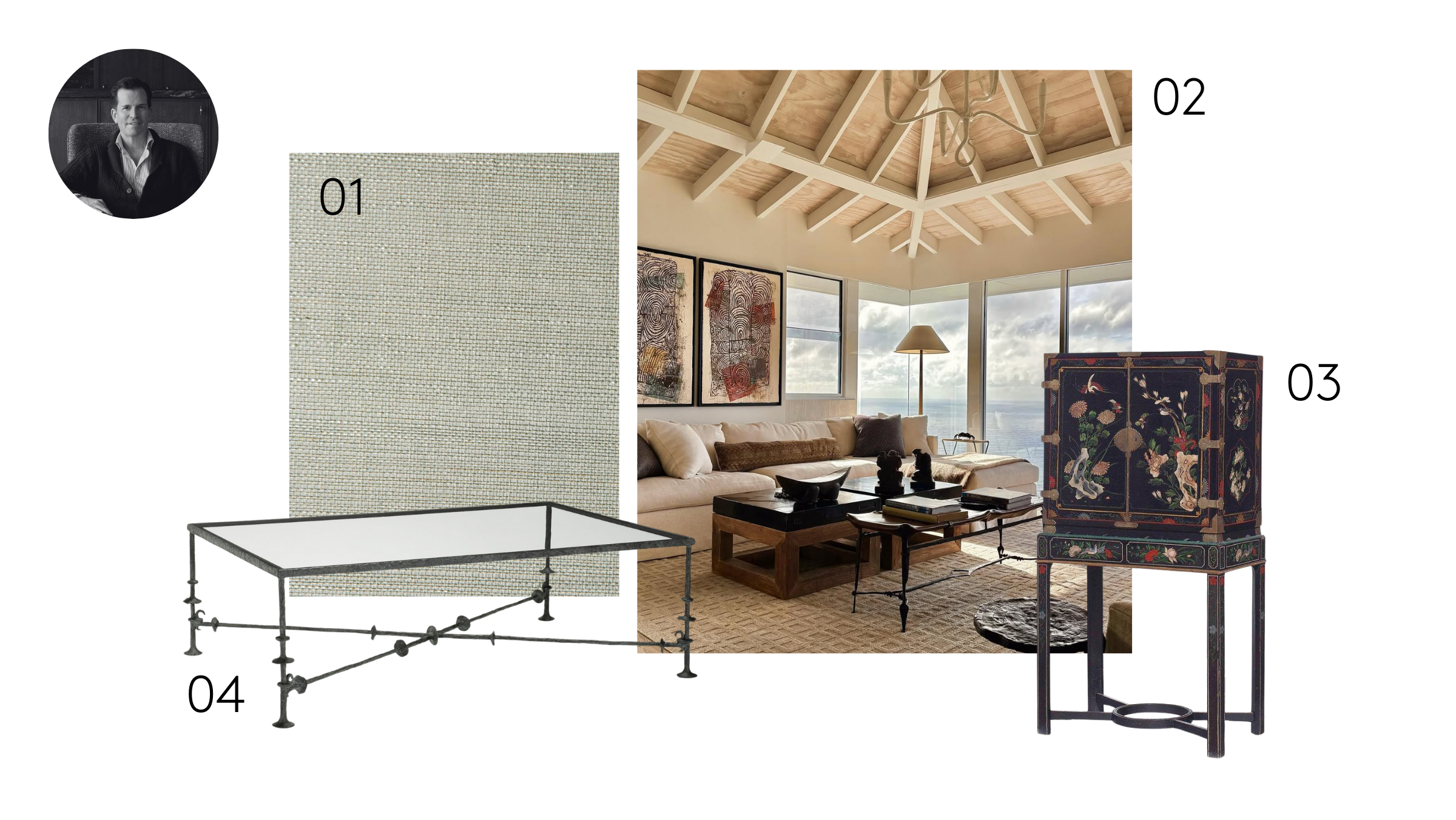
The expanded Cylinder system from New York-based [label] Apparatus is an absolute dream for creating bespoke and tailored combinations for interior lighting. The Imi sconce from Pierre Yovanovitch Mobilier features ceramic pieces that are handmade in France. It stands on its own as an art piece.
Ben Mazey continues to grow his practice. His pieces are imbued with such personality and love for the material. This wall-mounted cabinet by Max Copolov manages to be incredibly personal, yet completely functional: the front is crafted in wood marquetry based on an archival family image taken in Vienna during the period between WWI and WWII. Sydney-based Nic Fern uses salvaged textiles and materials to create intricately woven and assembled pieces. Her works invite thoughtful reflection and reveal a new element at each glance.
A minimalist I am not, but one design trend I hope we see less of is maximalism. Our lives are busier than ever with AI, social media and information coming at us at a startling pace. Therefore, your home should be calm and somewhere to switch off and relax.
Restraint is a word I often use in regard to my designs. I am all for surrounding yourself with beautiful things, pieces with meaning that reflect a sense of place and of who you are. This may mean a work of art bought on an overseas trip, or a piece of furniture sourced from a favourite shop. Or a favourite family treasure.
However, editing is essential. Too much of anything means nothing is truly special. It can also feel cluttered and that is not relaxing… it is the thoughtful curation that truly makes a room feel calm and pleasing to spend time in.
We hope you like the products we recommend on Broadsheet. Our editors select each one independently. Broadsheet may receive an affiliate commission when you follow some links.