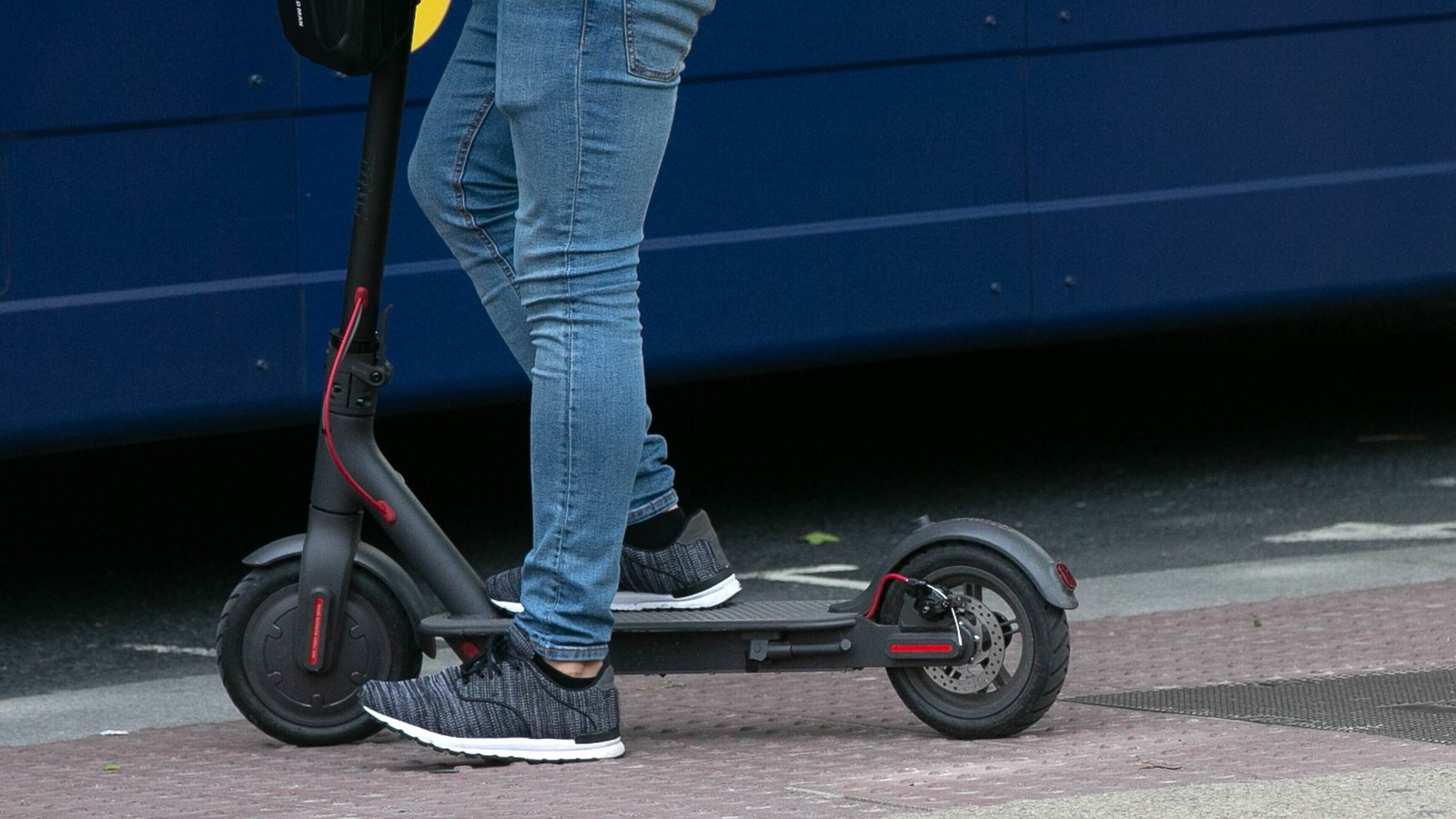
The increased use of e-scooters poses a particular risk to older pedestrians, an Oireachtas committee will be told.
Age Friendly Ireland’s Chief Officer Catherine McGuigan told politicians at the Committee on Transport that this is down to the scooters’ speed, lack of sound and inappropriate use on footpaths.
Ms McGuigan said older pedestrians also face “feelings of insecurity” around cars travelling at speed on back roads in rural areas, as a way of bypassing towns.
Traffic light timings at pedestrian crossings also pose challenges for this group, Ms McGuigan added.
She stressed the importance of hi-vis vests for pedestrians and suggested that they are distributed to older people through pharmacies, primary care centres, GP surgeries and libraries.
Her statements follow the organisation’s consultations with older people on road safety last year, at the request of An Garda Síochána.
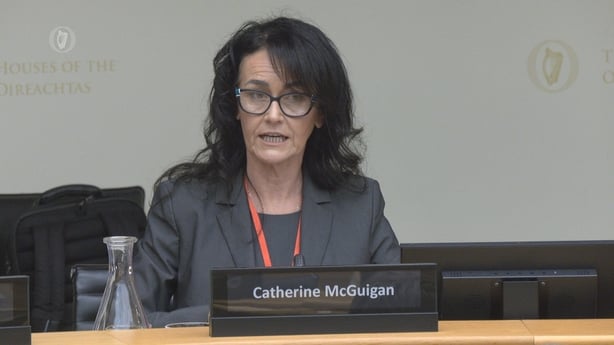
Catherine McGuigan told the committee that traffic light timings can pose difficulties for older pedestrians
The committee heard that vulnerable road users in Ireland are “paying the highest price”.
CEO of Cycling Ireland James Quilligan said that people walking and cycling have accounted for around 40% of all road deaths and serious injuries in Ireland for “many years now”.
“Those who pose the least danger on our roads are paying the highest price,” he said.
He said that while the Government had committed to Vision Zero, it is now “moving in the wrong direction”, calling it a “systematic” failure.
Vision Zero is the Government’s strategy to halve serious injuries and road deaths by 2030.
Mr Quilligan said evidence on how to save lives on Irish roads is “clear” and accused the Government of lacking courage.
The committee heard the organisation’s call for a fully-independent Road Safety Commissioner “with legislative authority and the resources to coordinate action, demand delivery and hold failure to account”.
Mr Quilligan said that while the Department of Transport Speed Limit review recommended a default 30km/h limit in towns and cities, responsibility has been “pushed” onto local authorities “through piecemeal bye-laws”.
He said decisive action in other countries has saved lives.
The Irish Cycling Campaign said the “immediate rollout” of a default 30km/h speed limit in built-up areas is “already legislated for and recommended”.
“This is not radical; it is standard practice across much of Europe,” its chairperson Neasa Bheilbigh said. “Reversing this commitment puts lives at unnecessary risk.”
Chairperson of the Dublin Commuter Coalition Jason Cullen said “vulnerable road deaths have increased significantly” in the last year, describing it as “unforgivable failing”.
He accused Minister of State with Responsibility for Road Safety Seán Canney of “rolling back evidence-based commitments for reform” and added that peop are paying for these “failures” with their lives.
“It’s breaking the hearts of the communities that experience these tragedies on an almost daily basis,” he said, adding, “serious injuries on Irish roads doubled within the last decade and road deaths have hit a modern record high.”