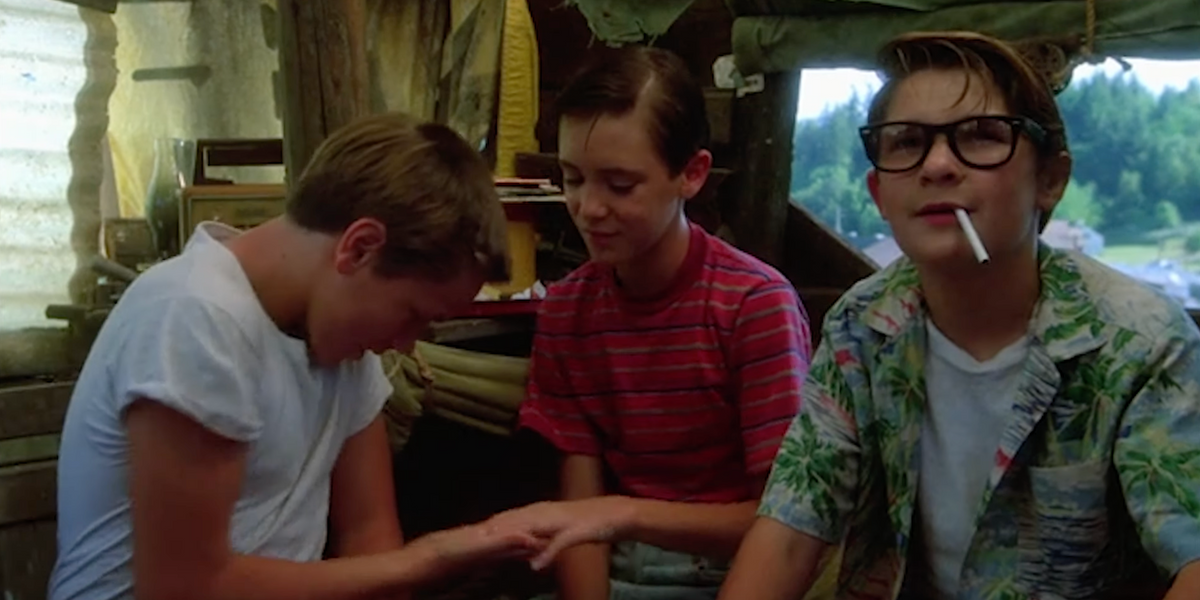
But of course, we compromised. Every day. We just shot a low-budget, independent feature on 35mm film in just 21 days. Compromise was a constant request.
So how can both of these things be true at once?
There’s a real obsession with the “uncompromising filmmakers.” Kubrick, Fincher, Welles, Cameron. And I think it’s because there are no excuses in filmmaking. If you didn’t get it right, there’s no way to explain to every audience member that there wasn’t enough time. We ran out of money. It was too hard. So, we revere filmmakers who seem to make no excuses.
But none of us are Kubrick. We exist in a new time, with different demands and limitations. So, how do we react dynamically to the ever-changing demands of production? How do we cultivate an environment where, when the shit hits the fan, we can stay true to our collaborators, the story, and give the film what it needs?
For me, it starts with three truths.
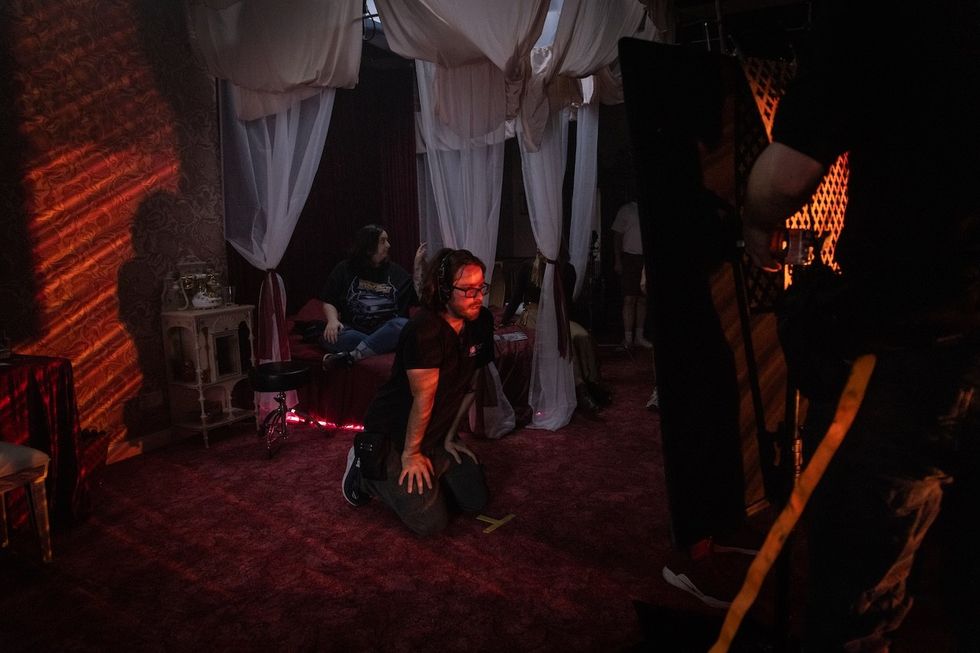 Aron Meinhardt on the set of ‘I Live Here Now’Credit: Utopia
Know Your Director
I’ve shot four shorts and a music video with Julie Pacino. We try to explore as much as we can in prep, but ultimately, we need to focus on getting the job done. Shorts are a great way to build trust, but they require a lot of money, time, and people. That’s why I value a more idle creative space, divorced from the pressures and expectations of a film. For us, that’s photography.
Julie’s photographic work is still very grounded in narrative and performance, much like her directing. And when I light her photos, I’m still constructing color palettes, visual environments, everything I do as a DP–only she’s holding the camera.
Unlike a short film, we can rapidly shoot in radically different styles. It’s a much more intuitive way to experiment with light, composition, and visual language. As soon as one photo is taken, we are free to try something completely different.
If you can collaborate with your director off set, do it. I’ve drawn storyboards for hours with a director, each of us elaborating on each other’s ideas. If there are ways you can create together without the machinery of production, seize those precious moments.
Watching films together also helped build our shorthand. Before making this horror film, neither of us were big horror fans. But over a couple of years, we fell in love with the genre by sitting down and watching dozens, possibly hundreds, of horror films together.
We sat in awe watching Rosemary’s Baby (1968), knowing we were seeing one of our all-time favorite movies for the first time. We had to watch Hereditary (2018) in the daylight because we were both too scared to watch it at night. There, we studied the creeping visual language implemented by Ari Aster and Pawel Pogorzelski. And we watched a lot of bad horror movies and learned from their mistakes.
Whether you have years or weeks to prep, it’s important to take time to know each other’s talents and tastes. It’s an important preparation for what’s to come.
Know the Story
I like to be involved as early as possible with the script. Often, a script is final when a DP is engaged. But it’s important for me to see how ideas evolve, because you never know when those abandoned ideas circle back around.
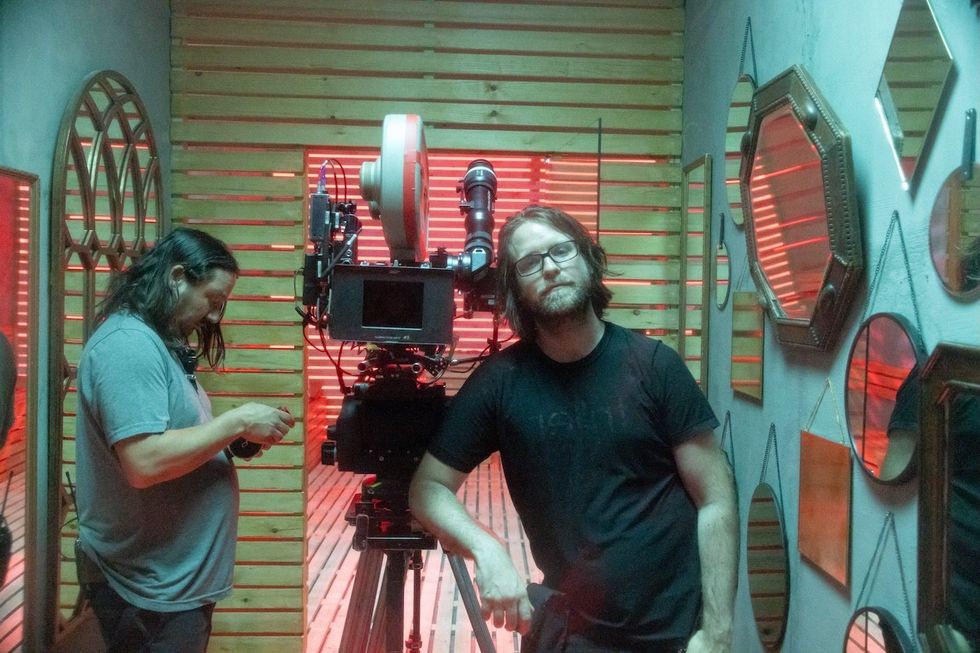 Behind the scenes of ‘I Live Here Now’Credit: Utopia
I remember shooting a short film, Hurricane (2021), for director JLee MacKenzie and writer/producer Mitchell Colley. There was a scene where a young girl was missing, and there was a frantic search to find her. The stakes were so high. But the scene heading said daytime, and it just felt like it should be night to me. And when I talked to Mitchell about it, he said, That’s how it was originally written. The three of us discussed it, and whether it would be worth the challenges of a night shoot. Ultimately, it ended up being a night scene, after all.
As a DP, it’s my job to externalize the internal. This is never more true in a film like I Live Here Now, where the character’s traumas and anxieties literally begin to manifest around her. So early drafts of a script can be a goldmine for character insights. Sometimes, cut scenes still reveal things about the story and character.
Create an emotional map. Know where a character starts a scene, and know where they need to end it. This is the director’s job, but you can be a better ally if you know where the character is coming from and where they are going. And usually, a director will appreciate the questions and discussions as it helps them crystallize their intent.
On I Live Here Now, there was a day when we had to cut a scene. The main character, Rose, was supposed to go into a bathroom, have a panic attack, and end up escaping out the window. But we were way behind for a number of reasons. But – credit to Lucy Fry’s performance, and Julie’s directing – she managed to get to that state of heightened emotion before she ever got to the bathroom. We could cut the scene and not lose anything important from the sequence.
Know What’s Important
If you are ready to die on every hill, you’ll end up buried under one of them.
By now, you know your director, the story, and you have a shotlist full of every cool idea you’ve ever had. But as the philosopher Mike Tyson once said, “Everyone has a plan until they get punched in the face.”
The buck very often stops with the DP. Every other department can be running behind, but the Assistant Director will always look to you to make that time up. Even the most bulletproof plan will have to change. Talent will be late, the set won’t be ready, the camera will go down.
You can know the most important shot in a scene, but it’s even more important to know what that shot is trying to say. This is why I like to work with directors who are collaborative and not prescriptive. A director can tell me where to place the camera, and which lens to use—but if I don’t know why, it is much harder for me to present alternatives when I’m told we don’t have the time for that lens change or camera move.
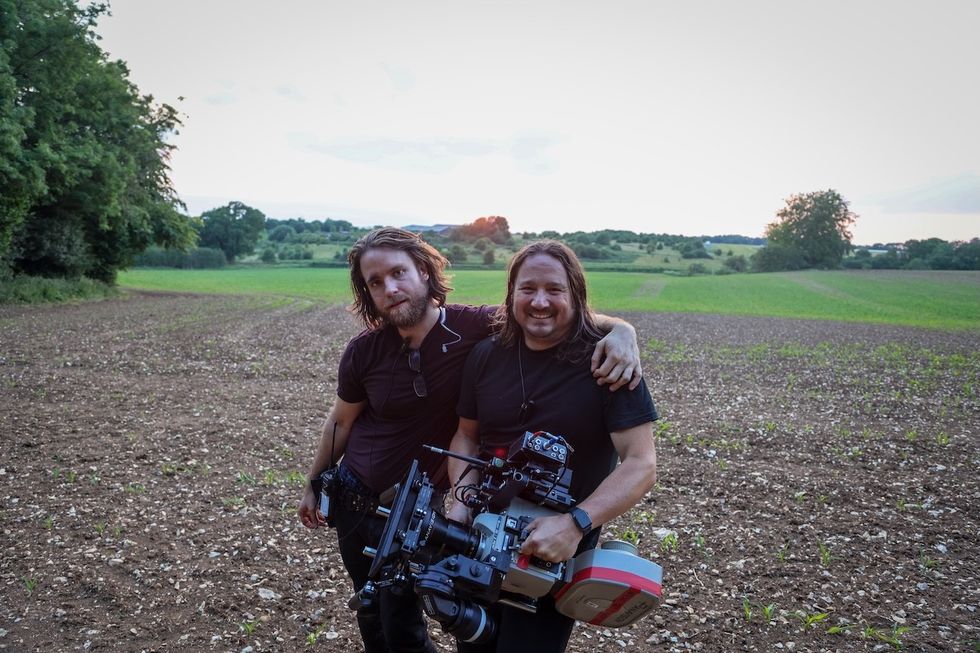 Behind the scenes of ‘I Live Here Now’Credit: Utopia
I wouldn’t ask a director to settle for less. That’s not their job. But if we understand our collective priorities, we can pick our battles. We all would have loved to shoot that scene in the bathroom. It was well written, it was well planned. Narratively, it made the main character feel trapped at the right moment and ended up empowering her by the end of it. But we knew what the most important beats were, and the moments that were truly indispensable.
It’s important to be able to let plans go. When you prep extensively, you are often left with unused work, but none of it is wasted. It’s an important exercise in discovering the story. The more intimately you know the story, the faster you can adapt when things change.
Film isn’t about process, it’s about your destination. If you get too stuck on how you’re doing it, and not why you’re doing it, you will miss chances to make the film better. Know what matters emotionally, and let that be your north star.
Never Compromise
All of that to say: never compromise on something that’s important, just be like water in how you get there.
Julie and I have a promise that we will always try to make the film 1% better. If we can do it, we do it. And we like to foster a community of people around us who always want to play that game of inches.
There are always going to be people who don’t know you, don’t know the director, haven’t read the script, and just want to go home.
Not everyone can be a ride-or-die. It isn’t their fault, but it is your responsibility to make people believe in you, in the director, in the film.
Ultimately, the film is the only way anyone will know how well any of it worked, if you found solutions, if you elevated each other. It’s our job to tell one story, out of many different crafts and voices. I want to know that we are proud of every frame of our film. And that the audience will never know we compromised.