
ⓘ HMD Global
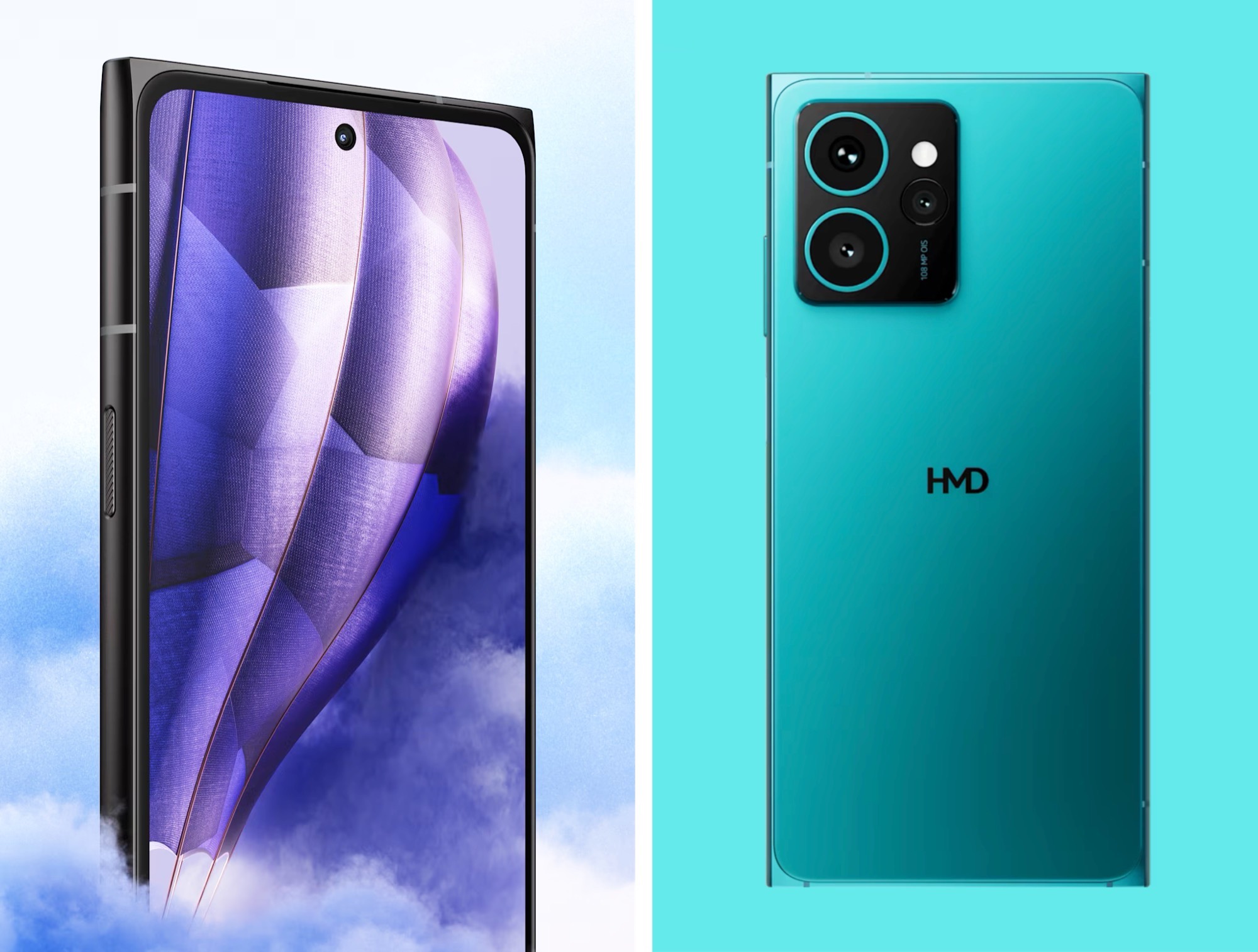
The successor to the HMD Skyline shown here is expected to feature very few design changes.
The HMD Skyline was one of the first Android smartphones to support magnetic Qi2 chargers. The launch of its successor now appears to be drawing closer, as the HMD Skyline 2, featuring an AMOLED display that’s twice as bright and a 108 MP main camera, has already been spotted in first images.
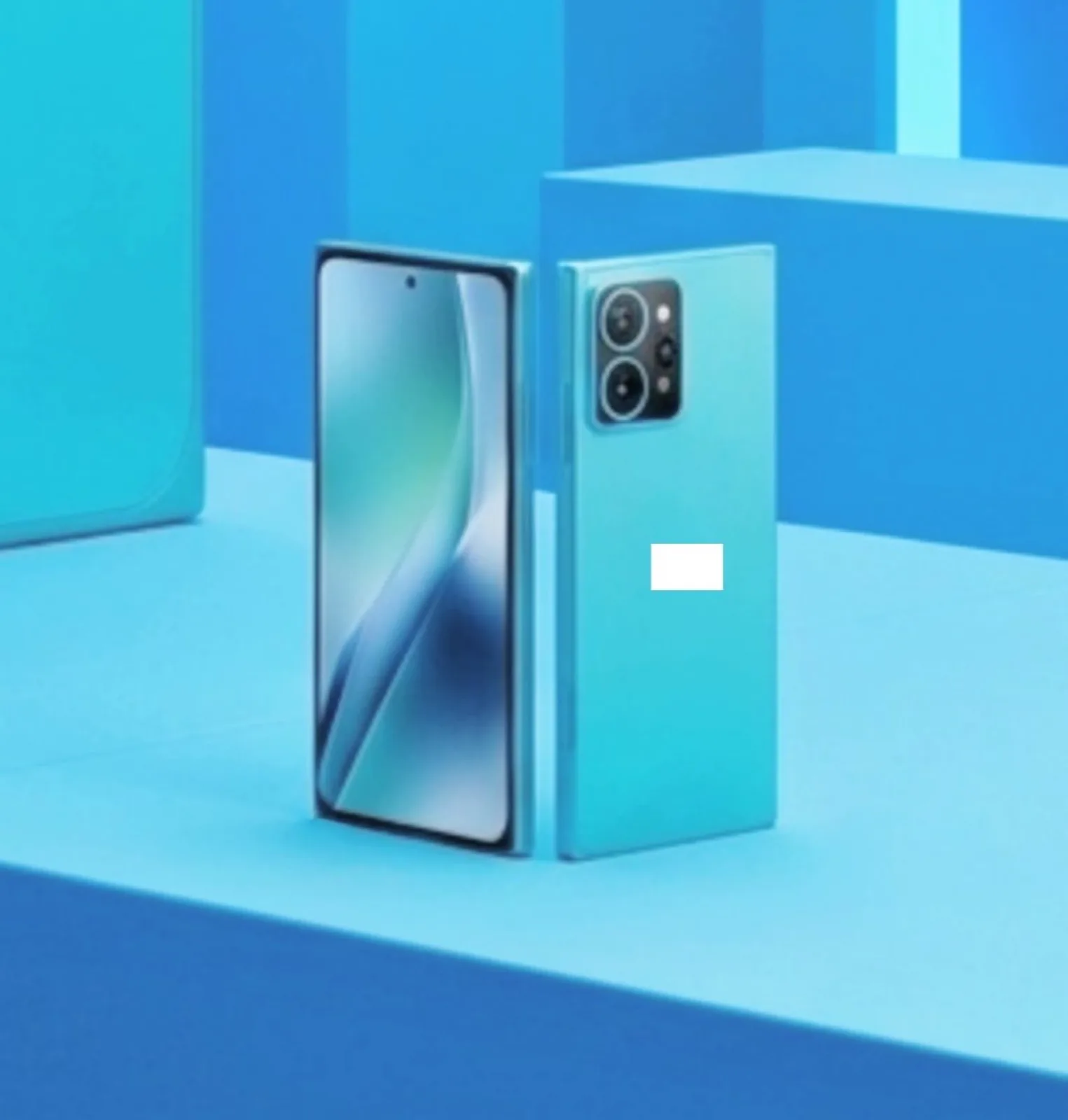
After the first rumors about the successor to the HMD Skyline ($399 on Amazon) surfaced, the extremely reliable leaker @smashx_60 has now published the first images and additional details about the features of the next-generation mid-range smartphone. As expected, the design hardly differs from the previous model, though the HMD Skyline 2 will apparently be available in light blue, black, and yellow.
The Nokia Lumia design, featuring a rounded display within a square frame, remains unique in the smartphone market. The HMD Skyline 2 primarily modernizes the specs. As before, HMD Global is said to be incorporating a 144 Hz OLED display, which now achieves twice the HDR peak brightness at 2,000 nits. The Qualcomm Snapdragon 7s Gen 2 is reportedly being replaced by a more modern Snapdragon 7s Gen 4 , which offers about 16 percent higher multi-core performance.
The battery is said to charge slightly faster via USB-C at up to 40 watts, and magnetic Qi2 chargers will continue to be supported. A camera upgrade is also reportedly in the works; while it will still feature a 108 MP main camera with OIS and a 50 MP telephoto camera, the ultra-wide-angle camera is said to be upgraded to a 50 MP sensor. A 50 MP selfie camera, 8 GB to 12 GB of RAM, 256 GB of flash storage, a microSD slot, and a dedicated camera shutter button round out the features. The HMD Skyline 2 is also said to remain particularly easy to repair. It is currently unknown when or at what price the smartphone will be released.

Since 2009 I have written for different publications with a focus on consumer electronics. I joined the Notebookcheck news team in 2018 and have combined my many years of experience with laptops and smartphones with my lifelong passion for technology to create informative content for our readers about new developments in this sphere. In addition, my design background as an art director at an ad agency has allowed me to have deeper insights into the peculiarities of this industry.