

Joe Maring / Android Authority
Google’s flagship and budget smartphones made a name for themselves for their exceptionally consistent photography capabilities, a theme the brand is keeping alive with the Pixel 11 series. The latest flagships sport some, but in typical Google fashion, it’s playing it safe and staying consistent.
While this strategy means we virtually always know what we’re getting when a new Pixel lands, being too predictable has allowed some rivals to leapfrog the brand with more modern, superior camera hardware, resulting in better pictures. As a Pixel fan, I want my next Google phone to take pictures that I simply can’t grab on other phones in the business.
Sadly, with the Pixel 11, it’s more of the same, and that’s not just good enough when Pro models now cost upwards of $1,000.
Are you happy with the Pixel 11’s camera improvements?
14 votes
Yes, the camera specs are very good.
14%
I’d like to see faster hardware innovation.
14%
No, Google’s hardware is lagging.
64%
I’m not sure.
7%
A history of delayed upgrades

Robert Triggs / Android Authority
The cadence of Google’s camera upgrades makes it surprisingly easy to break the Pixel series down into two distinct camera generations. First was the “great single camera era” encompassing the original Pixel in 2016 through to the Pixel 3 in 2018. The single 12MP rear camera helped pioneer the brand’s hugely impressive HDR+, portrait mode, and Night Sight capabilities that are still a core part of the Pixel photography identity.
After that, Google experimented with a secondary camera to augment its preference for the 12MP main sensor. The Pixel 4 introduced a dedicated 2x telephoto camera for improved Super Res Zoom snaps, while the budget Pixel 5 swapped this out for an ultrawide lens. However, by the fifth generation, the 12MP main camera stack was starting to show its age, and the dual-camera companion still felt weak in an age when competitors had already moved to triple-lens arrays. Fans were clamoring for a more meaningful upgrade.
The Pixel 6 Pro was the last time Google made a major camera hardware change.
Enter the Pixel 6 Pro in 2021, undoubtedly the biggest shake-up to Google’s camera stack since the series’ launch. The main camera, which had been in service since the Pixel 2, was swapped out for a larger, far more modern 50MP sensor, paired with a 12MP ultrawide and a 4x telephoto zoom with 48MP resolution to boost Super Res Zoom snaps with additional pixel data.
Since then, Google has gradually refined and tweaked this formula but has kept this tried-and-tested trio as its backbone. The Pixel 7 Pro moved up to a 5x telephoto, the 8 Pro improved the ultrawide, and the 9 Pro offered a similar package in a slightly smaller form than the XL. However, the Pixel 10 Pro and XL were mostly about software features and improvements, with the regular Pixel 10 finally receiving its own telephoto camera.
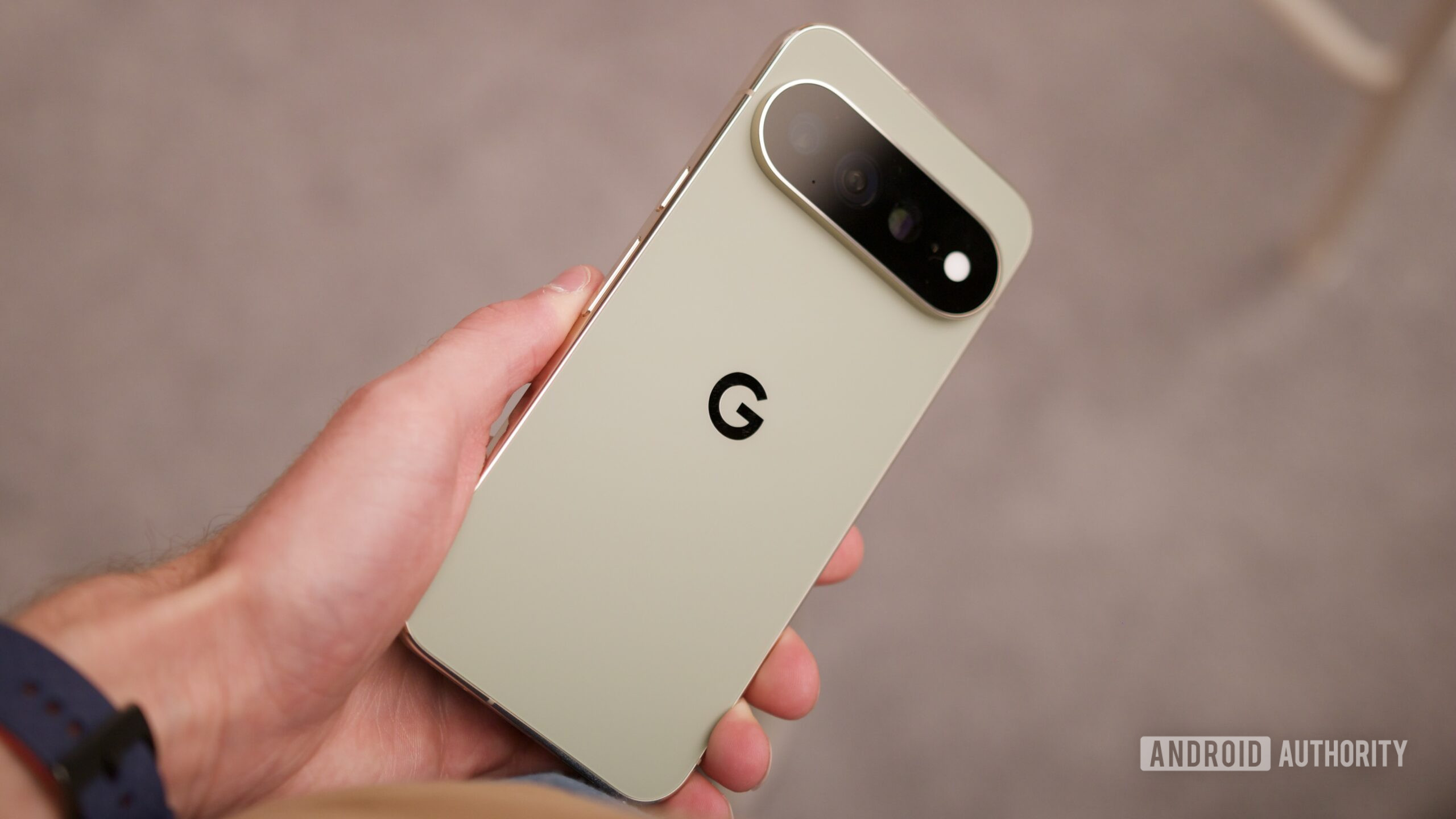
Now, with the Pixel 11 Pro and Pro XL, there are some notable tweaks to the form factor that should help improve quality, at least marginally. The ultrawide and telephoto sensors are now both a little larger, with the latter representing the biggest jump, from 1/2.55-inch to 1/1.95-inch. Still not huge, but that extra light capture is probably what’s allowing Google to extend its max zoom from 100x to 120x and should help keep noise down in low light.
Those are welcome upgrades, and Pixel hardware has changed and improved since the Pixel 6 Pro. However, after five years, the backbone triple-camera concept is overdue for a full refresh, much like the single powerhouse camera was half a decade earlier.
How to close the gap on the best?
Robert Triggs / Android Authority
Five generations is a long time in tech, and camera technology has moved on in the past few years. And I’m not just talking megapixels and innovations like LOFIC and multi-gain ISO HDR, though these are very potent hardware advancements that Google should undoubtedly look into leveraging to improve image quality. Still, I don’t think slapping a 200-megapixel camera on the main camera and calling it a day — I’m looking at you, Samsung Galaxy S26 Ultra — or jumping up to a quad-camera behemoth is what the Pixel 12 series needs to reinvigorate its camera prowess.
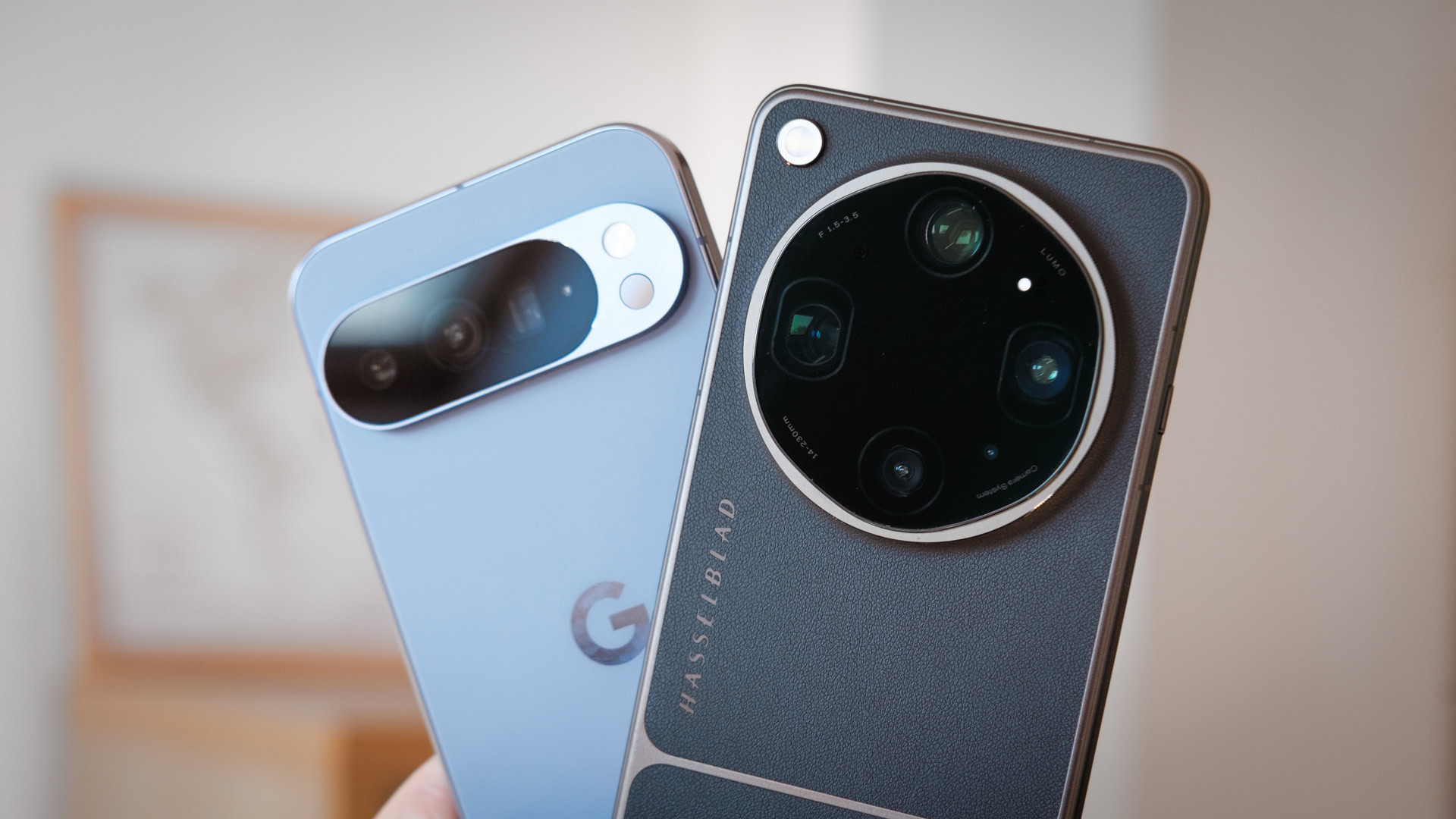
What’s impressed me most about Chinese Ultra phones in the past twelve months or so is their versatility, often powered by a 200MP telephoto camera with a modest 3x zoom lens. At first glance, this might not seem hugely advantageous over Google’s current 5x periscope camera, and in terms of ultra-long range, it’s not a guaranteed win. However, a 3x lens with a focal length of around 70mm doubles up as a powerful portrait photography lens — currently a major omission in the Pixel series, which takes poor portraits by comparison.
Thanks to their large physical size for light capture and high megapixel counts, these cameras are equally capable of cropping to grab high-quality 6x zoom snaps and even produce reasonable 12x pictures at native 12MP resolution. They don’t have proper focal lengths at this distance, but the Pixels still have an exceptional reputation in computational photography and could, no doubt, rival and even outperform the competition with hundreds of megapixels of data to work with across multiple lenses. Perhaps its ISP and Tensor processing pipelines would also need an upgrade to handle this data, but that’s surely a prime example of where having custom silicon should let you lead the field rather than slip behind.
Google should be leading with both image processing and hardware innovations.
Rival brands have also embraced flexible lenses, allowing them to accomplish more with a single sensor. Xiaomi and Sony have taken this approach to extract a little more detail at long ranges, while the iPhone 18 Pro models are rumored to have a variable aperture. There’s no reason Google shouldn’t also adapt this idea to extract more flexibility from higher-quality sensors.
Time for a more controversial take: I think a high-end modern smartphone package could deliver astonishing image quality with just two cameras. We’ve already seen how 200MP telephoto cameras can deliver close-up and long-distance zoom, especially when paired with even longer-range extender lenses. But a less-explored space is using a single camera for wide and ultrawide shots.
Joe Maring / Android Authority
A large, powerful sensor capable of switching between 18mm and 30mm or so would provide a better balance for subjects and landscapes than today’s cameras, which tend to be wide (22mm) and even wider (17mm). Particularly with the Pixels, the ultrawide has often felt like an underperformer that constantly needs patching up to not look so far behind the main sensor. Why not just drop the pretense and use a single sensor for both?
The problem with my wishlist is that Google doesn’t like to take risks — it picks a camera setup and refines it over numerous generations. That’s fine in principle. I certainly don’t want to see every other Pixel model try something different just for the sake of it, only to lose the consistency that has helped keep the brand in the race. That said, we’ve hit the five-year mark, and Google’s latest tried-and-tested formula has grown stale. New camera technologies are here, and it’s time for Google to embrace them to build a truly best-in-class photography package for the Pixel 12.
Thank you for being part of our community. Read our Comment Policy before posting.