
They’ve been dubbed “pervert glasses”. Mark Zuckerberg would prefer you call them Ray-Ban Meta glasses, or AI glasses, but they’re increasingly being associated with creeps who use them to film people without their consent.
This week a video went viral on TikTok of a woman calling out a doctor for wearing the smart glasses during a consultation in which the patient was required to remove clothing. Despite the doctor claiming that the camera-equipped glasses were not recording, she questioned why he needed to wear them at all.
“They need to be banned from work environments, particularly medical ones,” the woman said.
 Kylie Jenner recently affiliated herself with the gadget with her new design for the Meta glasses (Meta)
Her words join countless posts on social media – including on Meta’s own Threads app – calling for the glasses to be banned. In some places they already are. On Tuesday, courts in England and Wales prohibited the glasses from being worn in judicial buildings. Similar bans have been introduced in restaurants, theatres and pubs, including more than 800 Wetherspoons establishments in the UK.
After the failure of Google Glass 12 years ago, smart glasses are having a resurgence, thanks largely to Meta’s glasses. Seven million pairs were sold last year, with Apple and Google expected to announce their own smart eyewear in the coming months.
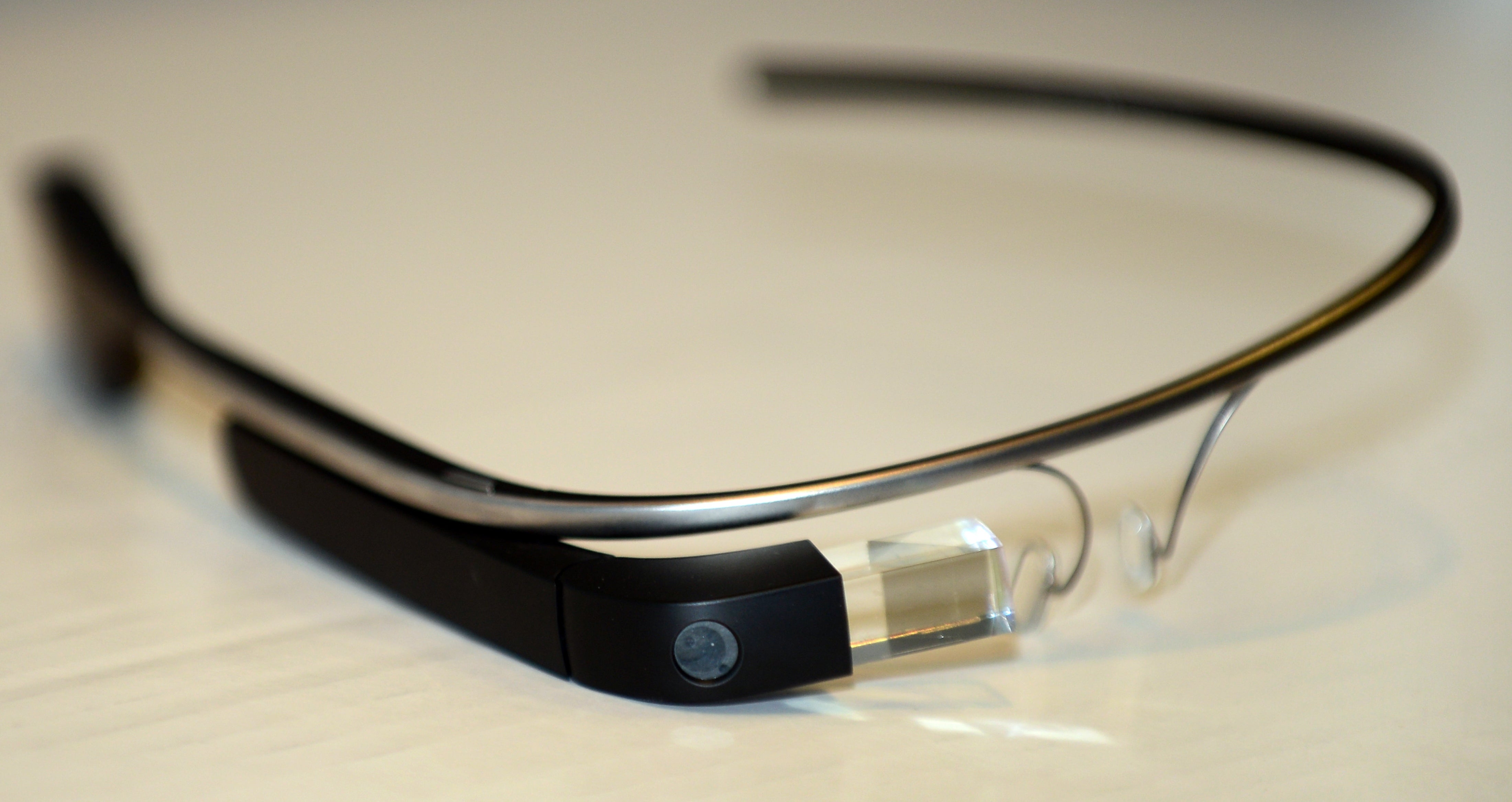 Google launched a consumer version of Glass in 2014, but pulled it a year later (AFP/Getty)
Compared to the widely derided Glass devices, and the “Glassholes” that wore them, the new generation of smart glasses no longer look bulky or experimental.
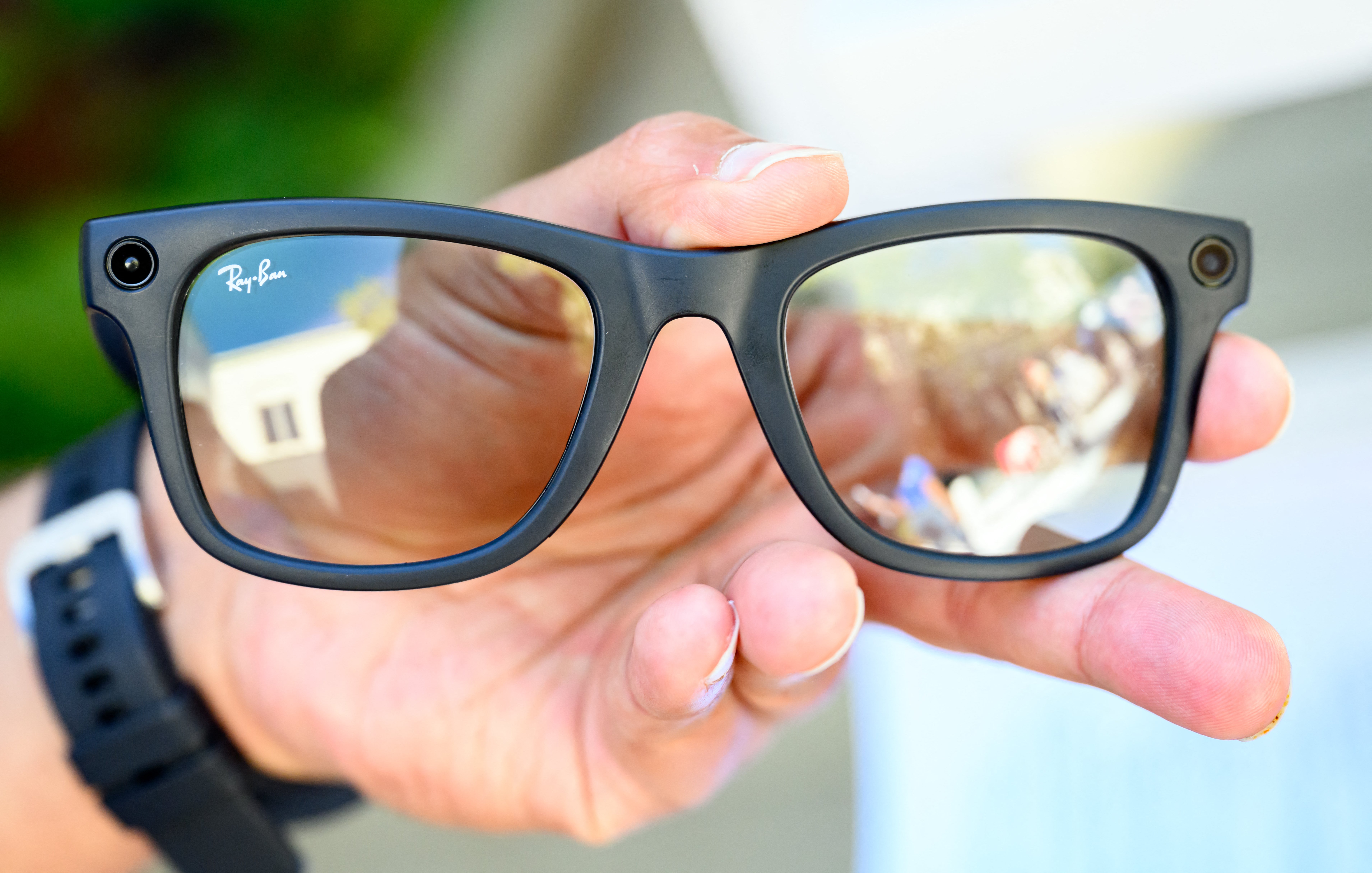
By partnering with the world’s top-selling sunglasses brand in the world, Meta has been able to integrate the technology seamlessly into an accessory that most people already own.
The glasses also benefit from the huge advances in AI in recent years, giving them capabilities that are genuinely useful, like live speech and text translation.
Meta’s glasses are a contender for the most impressive consumer hardware of the 2020s. They can give voice directions, offering information about your surroundings and can play music. You can make phone calls and take photos or videos without needing to pull out your phone.
But this is not enough to convince the detractors. “The non-pervert use cases for pervert glasses are just so lame,” FT columnist Katie Martin wrote in a recent post to Bluesky, adding that they are “aimed, pretty squarely, at perverts.”
 Wetherspoon venues said filming on the glasses is prohibited in its pubs (AFP/Getty)
One of the issues is Meta itself, which doesn’t have the best record when it comes to privacy – stemming right back to Zuckerberg calling early Facebook users “dumb fucks” for trusting him with their data.
The company, which owns Facebook, Instagram, Threads and WhatsApp, already knows all about the online lives of billions of people. Putting AI, cameras and microphones on people’s faces could give them an intimate look into their offline lives too.
Meta has tried to alleviate privacy concerns by saying that its glasses “have an LED light that activates whenever someone captures content, so it’s clear to others that the device is recording.”
There is also “tamper detection technology” to stop people covering the light, though instructions on how to bypass this can be easily found online. Other concerns have been raised about hidden facial recognition code within Meta’s AI app that has yet to be activated, though the company claims to have now removed it.
There may come a time, as it did with smartphones, when the convenience offered by such technology outweighs the privacy concerns
Such incidents have helped fuel fears of the smart glasses being misused. Entire online communities have emerged around people – almost exclusively men – secretly filming strangers while they harass them as so-called pickup artists.
A study published this week found that more than half of covert point-of-view videos on Instagram showed behaviour classified as potential harassment, with women filmed without their consent at work, the gym, or in swimwear at the beach.
The researchers, who are from the University of Sydney, warned that the rise of wearable cameras is creating “new forms of online harassment and gender-based harms”, with the technology outpacing the safeguards designed to protect people.
They called for stronger platform accountability and new design requirements to make it absolutely clear when recording is taking place.
 Camilla, Duchess of Cornwall tries on a pair of Meta’s Ray-Ban glasses at the company’s London offices on 30 March, 2022 (AFP/Getty)
In response to the study, there have been renewed calls to urgently address the privacy concerns that have arisen from camera-equipped glasses.
“We all deserve privacy, even in public spaces – it’s not just a right forfeited every time we leave the house,” said Chanel Contos, founder and CEO of sexual violence prevention group Teach Us Consent.
“At best, smart glasses normalise filming and sharing people without their consent, feeding algorithms designed to reward voyeuristic, rage-baiting content. At worst, they are used as a tool for the sexual exploitation of children, women and other vulnerable groups.”
Instagram has responded to the issue by cracking down on videos recorded on Meta’s smart glasses, with the platform’s head, Adam Mosseri, saying that creator accounts that are “taking advantage of people and harassing them” will be removed.
But this is more than a content moderation problem. Some owners of the glasses are already expressing misgivings about wearing them in public as a result of the backlash.
On the r/RaybanMeta forum on Reddit, some users have shared their experiences of removing their glasses while speaking to strangers, or in places “where it would come off creepy”.
There may come a time, as it did with smartphones, when the convenience offered by such technology outweighs the privacy concerns. But it will take more than technical innovation to get there.
Meta needs to not only convince people to wear its glasses, but also reassure everyone that they are not a threat to be around.
A version of this article was first published in The Independent’s tech newsletter. You can sign up here