
New data from the UK Health Security Agency shows flu and RSV cases continue to rise – here are the key symptoms to look out for and when to seek medical help Flu and RSV cases are on the rise this winter(Image: Getty Images/Science Photo Library RF)
The UK Health Security Agency (UKHSA) has published its latest figures as winter illnesses continue to spread across England. In a post on X, formerly Twitter, the health organization said flu activity “has increased this week following a dip in recent weeks”, pointing out there have been more outbreaks in schools and care homes compared with the previous week.
The agency also said Respiratory syncytial virus (RSV) cases have gone up, with the disease now “circulating at low to medium levels across indicators.” Meanwhile, Covid is still around but case numbers have dropped, with the virus currently “circulating at baseline levels.”
Positive flu test results rose week-on-week from 10.7% to 11.6%, while hospital admissions went up from 3.39 per 100,000 people to 4.56 per 100,000 people, reports the Express. Covid hospital admissions fell from 1.13 per 100,000 people to 0.85 per every 100,000. Positive tests also dropped from 3.3% to 2.2%.
READ MORE: Doctors warn of ‘once-in-a-decade’ flu surge coming with new strainREAD MORE: Health policy expert says Trump’s Tylenol autism claims part of ‘pattern’ of blaming women for pregnancy complications
RSV hospital admissions rose from 1.77 to 2.54 per 100,000 people, though the UKHSA said technical issues meant positive test data has not been updated for the week ending November 23.
 There are certain signs and symptoms to look out for over the winter months(Image: Getty Images)
While all three bugs can often be treated at home, some people who catch these conditions may develop more severe symptoms.
Here are the warning signs to look out for, and when to get medical help.
Flu
The NHS has issued guidelines on how to recognize flu symptoms, which can appear quite suddenly. These symptoms include a sudden high temperature, body aches, a dry cough, a sore throat, fatigue, a headache, loss of appetite, stomach pain or diarrhea, difficulty sleeping, and nausea or vomiting.
Children with the flu may also have ear pain and seem less active than usual.
To treat the flu, it’s recommended to stay warm, get plenty of rest, and take paracetamol or ibuprofen to reduce your temperature and alleviate aches and pains.
If your child is uncomfortable or distressed, you can give them paracetamol or ibuprofen, but make sure to check the packaging or leaflet to ensure the medicine is appropriate. If in doubt, consult a pharmacist or GP.
Both children and adults with the flu should drink plenty of water to avoid dehydration. (Your urine should be clear or nearly clear).
You should seek urgent medical attention from your GP if you or your child has flu symptoms and you:
- are concerned about your baby’s or child’s symptoms
- are aged 65 or over
- are pregnant
- have a long-term medical condition – such as diabetes or a condition affecting your heart, lungs, kidneys, brain or nerves
- have a weakened immune system – perhaps due to chemotherapy or HIV
- or if symptoms do not improve after 7 days
In case of sudden chest pain, difficulty breathing, or coughing up a significant amount of blood, call 911 or go to A&E immediately.
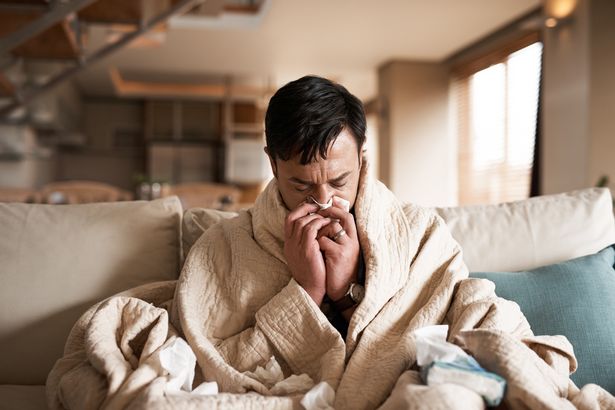 To treat the flu, it’s recommended to stay warm, get plenty of rest, and take paracetamol or ibuprofen(Image: Getty Images)Covid
The most recent list of Covid symptoms from the NHS includes a high temperature, a new continuous cough, a loss or change in your sense of smell or taste, shortness of breath, fatigue, body aches, a headache, a sore throat, a blocked or runny nose, loss of appetite, diarrhea, or nausea.
If you’re feeling too sick to attend school or work, or if you have a fever, it’s recommended that you stay home and avoid contact with others.
Just like with the flu, aim to get plenty of rest, hydrate well, and take over-the-counter pain relievers like paracetamol or ibuprofen if you’re uncomfortable. A spoonful of honey can help ease a cough, but remember not to give honey to babies under one year old.
You can also try slow breathing exercises, inhaling through your nose and exhaling through your mouth. If you’re experiencing shortness of breath, consider turning down the heat or opening a window, and sitting upright in a chair can also be beneficial.
If you’re concerned about your symptoms or those of a child, or unsure what to do, seek an urgent appointment with your doctor or get help from the hospital.
This is especially important if symptoms are getting worse, or if there are other signs of illness such as a rash, loss of appetite, or feeling weak.
You should also see a doctor if you or a child have a persistent high temperature that lasts 5 days or more and does not come down with paracetamol, if infants under 3 months old have a temperature of 38C or higher, or children aged 3 to 6 months have a temperature of 39C or higher.
Those at increased risk of getting seriously ill from COVID-19, such as pregnant women, those aged 60 or over, or individuals with a compromised immune system, should be particularly cautious.
In case of severe symptoms, dial 911 or go to the emergency room if:
- You or a child seem very unwell, are getting worse, or if you think there’s something seriously wrong – especially as children and babies can deteriorate quickly
- You experience sudden chest pain, extreme breathlessness, start coughing up blood, collapse, faint, or have a seizure or fit for the first time
- There is a rash that does not fade when you roll a glass over it, similar to meningitis
 You should see a doctor if you or a child have a persistent high temperature that lasts 5 days or more and does not come down with paracetamol(Image: Getty Images)RSV
RSV typically presents with cold-like symptoms, such as a runny or blocked nose, coughing, sneezing, fatigue, and a high temperature – signs of which are your back or chest feeling hotter than usual, sweating and shivering (chills).
Babies with RSV may also be irritable and eat less than usual.
If RSV develops into a more serious infection such as pneumonia or bronchiolitis, it may also cause a worsening cough, shortness of breath, rapid breathing or long gaps between breaths, difficulty feeding (in babies) or loss of appetite, noisy breathing (wheezing), and confusion (in older adults).
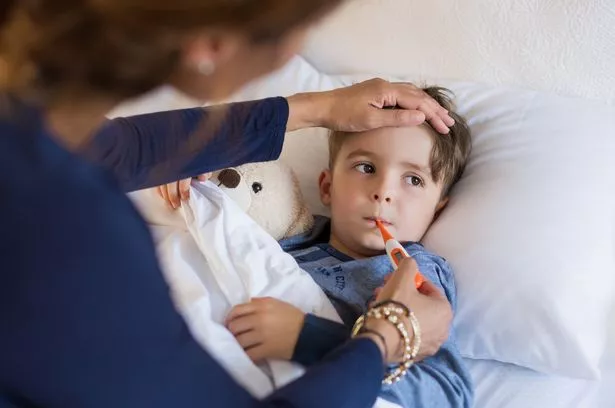 Cold-like symptoms are very common in babies and small children(Image: Getty Images/iStockphoto)
Cold-like symptoms are very common in babies and children. They’re not usually indicative of anything serious and should improve within a few days – but seek medical help if you’re concerned your child is seriously ill.
Seek an urgent doctor’s appointment or help from a healthcare professional if:
- your child’s condition is deteriorating
- your child is eating or drinking a lot less than usual
- your child has had a dry nappy for 12 hours or more, or shows other signs of dehydration
- your baby feels hotter than usual when you touch their back or chest, feels sweaty or is shivering
- your baby is under 3 months old and has a temperature of 38C, or is older than 3 months and has a temperature of 39C or higher
- you or a child aged 5 years or older has a temperature below 36C
- your child is extremely tired or irritable
- you develop cold symptoms and have a long-term medical condition (such as a heart or lung condition) or a weakened immune system (for example, due to chemotherapy)
- you’re experiencing difficulty breathing – you may be shorter of breath than usual
Dial 911 if:
- your child is struggling to breathe – you may notice grunting noises, long pauses in their breathing or their tummy sucking under their ribs.
- you’re having severe difficulty breathing – you’re gasping, choking or unable to speak.
- you or your child is limp and will not wake up or stay awake.
- you or your child’s lips or skin are turning very pale, blue or grey – on brown or black skin, this may be easier to see on the palms of the hands.
- your child is under 5 years old and has a temperature below 36C