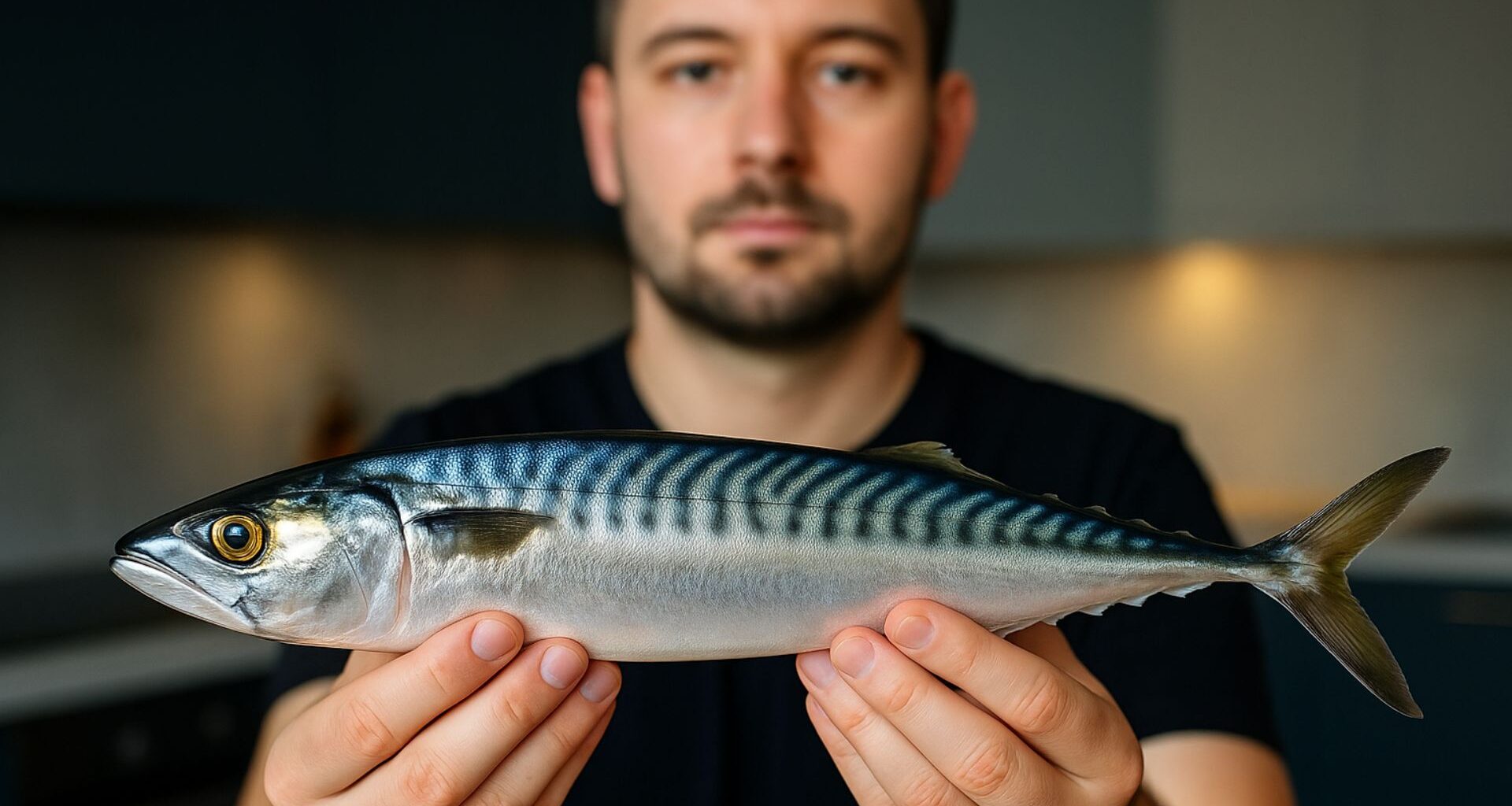
This previously underestimated species is gaining prominence due to its nutritional value, affordability, and consistent presence in the Brazilian market, becoming an increasingly common option in everyday diets.
For a long time, mackerel appeared mainly on the simpler tables of the country, associated with the idea of “poor people’s food”.
Easily sold at open-air markets and popular markets, it was a cheap, accessible, and practical fish, but often underestimated.
In some contexts, serving mackerel to guests was even interpreted as a sign of excessive simplicity. This scenario is changing.
— ARTICLE CONTINUES BELOW —
See also other features
-
Purchased by Murilo Huff, the most expensive cow in the world is worth R$ 54 million and is Brazilian.

-
With over 15 tons produced annually, Japan leads in the farming of the world’s most expensive fish and operates mega-farms for bluefin tuna that dominate global production of this premium protein.
-
With over 240 tons produced annually and controlling more than 70% of the global market, China is turning eel into aquaculture gold and operating mega-farms that lead the world in the production of this premium protein.
-
Ratinho reveals how Brazilians can get rich today by investing in agribusiness, warehouses, hotels, and sales: Brazil has the best fields in the world, demand, few hotels, decreasing bureaucracy, and room to grow.


With advances in nutrition studies and increased interest among Brazilians in balanced diets, mackerel has come to be seen as a highly nutritious fish, rich in… proteins, Vitamins, minerals and, above all, in omega-3 fatty acids, important for heart and brain health.
Today, nutrition experts point out that, from a nutritional standpoint, it rivals species considered noble and far more expensive.
Nutritional value of horsetail
The reputation of being a cheap fish has always been true. Mackerel is usually priced lower than salmon, tuna, and other fish that are highly valued in retail. However, the price difference does not reflect lower nutritional quality.
Composition analyses show that, in 100 grams, horsetail provides approximately 18 to more than 20 grams of proteinIt contains all the essential amino acids, as well as moderate amounts of fat with a profile that is favorable to health.
In practice, this means that fish provides protein from high biological value, capable of contributing to the maintenance of muscle mass, tissue repair, and proper functioning of various bodily systems.
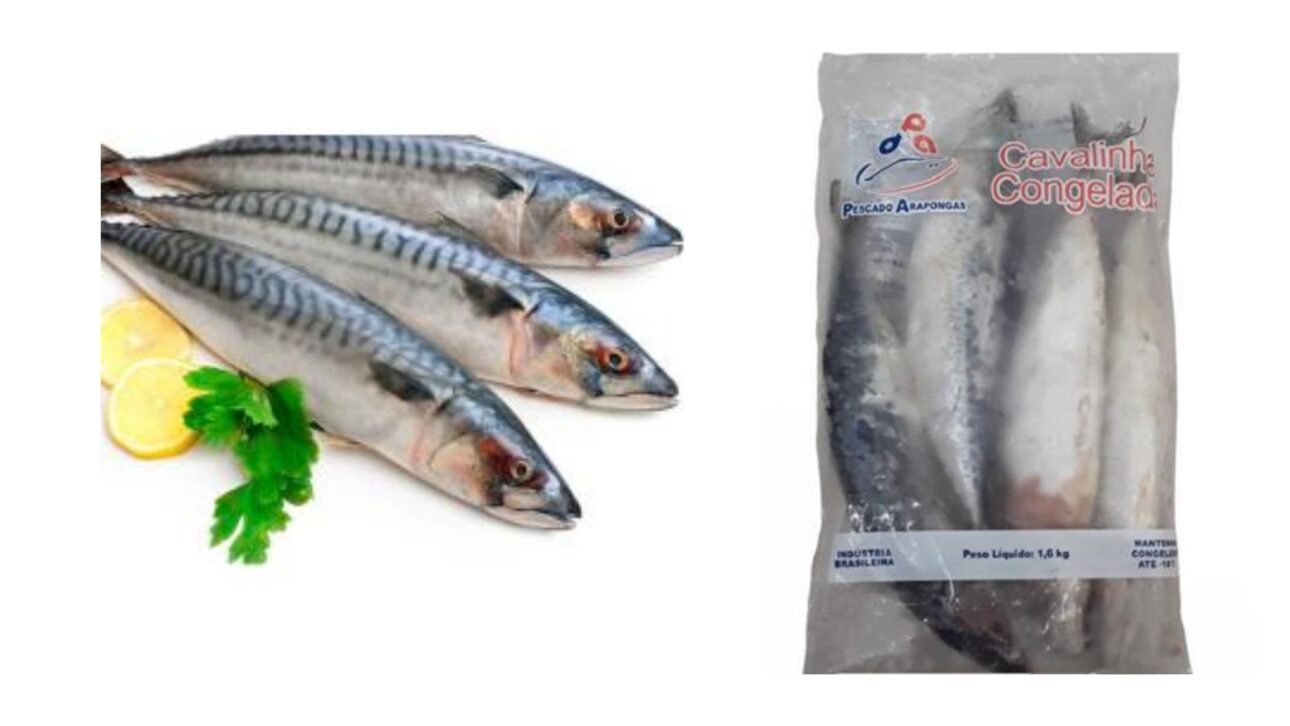 Horsetail is gaining popularity on Brazilian tables because it is inexpensive, rich in omega-3 fatty acids, and highly nutritious, making it a healthy option for everyday meals.
Since fish is usually easier to digest than red meat, mackerel tends to be well-accepted by different age groups, including the elderly.
In addition to protein, the species contains B vitamins, most notably… Vitamin B12, involved in the formation of red blood cells and in the health of the nervous system, and vitamin Dimportant for bones and immunity.
It also provides minerals such as calcium, match, iodine e seleniumall relevant to metabolism, bone formation and hormonal balance.
Benefits of omega-3 found in horsetail
The most striking aspect is the presence of fatty acids. omega-3 EPA and DHA.
These polyunsaturated fats help control inflammation, protect the cardiovascular system, and support cognitive function.
“DHA is linked to memory, attention, and the development of the nervous system,” experts point out.
EPA, in turn, is associated with reduced triglycerides, balanced blood pressure, and a decreased risk of cardiovascular disease when consumed as part of a healthy diet.
Studies of marine species rich in omega-3 indicate that the content of these fatty acids in mackerel may be comparable to that of widely promoted fish such as salmon.
This combination leads experts to classify the fish as a food. nutrient-dense, offering a lot of nutritional content in few calories.
Availability and affordable price
Another factor contributing to its growing presence on Brazilian tables is its wide availability.
Mackerel is easily found in different regions of the country, fresh, frozen or canned.
This consistent supply helps families maintain their fish consumption without depending on more expensive or seasonal species.
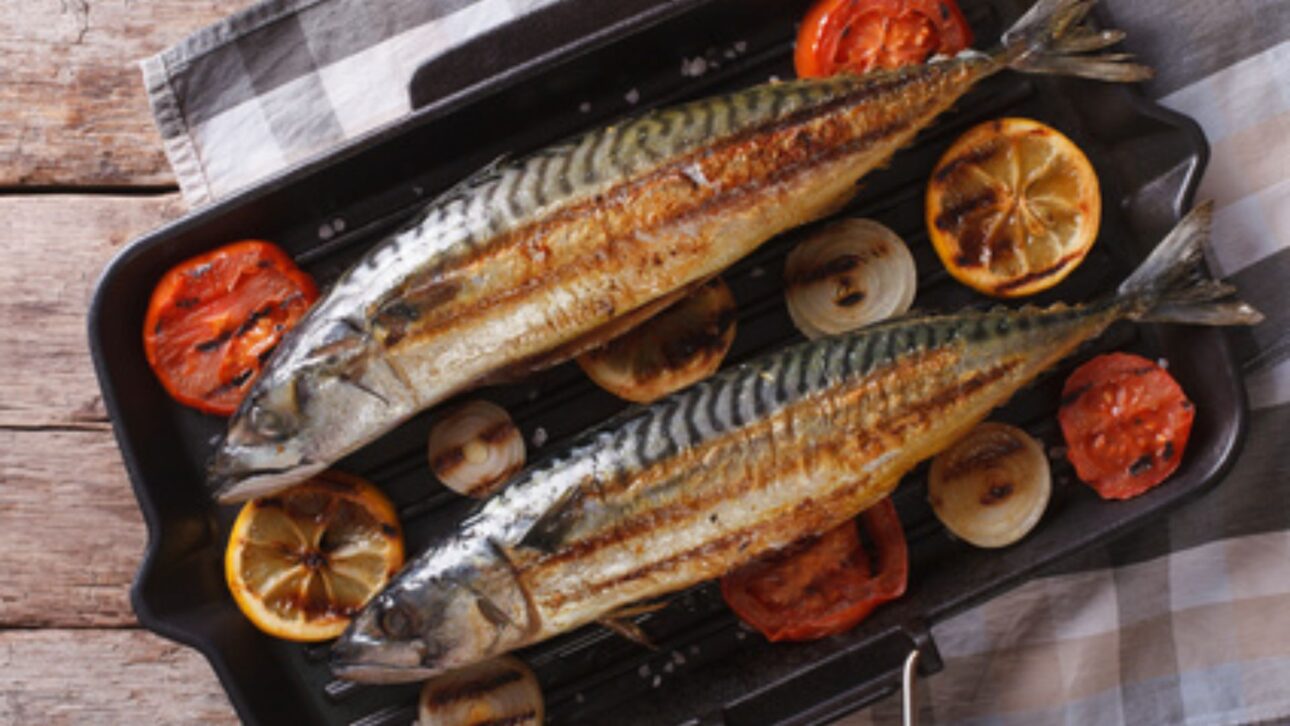 Horsetail is gaining popularity on Brazilian tables because it is inexpensive, rich in omega-3 fatty acids, and highly nutritious, making it a healthy option for everyday meals.
The price, generally lower than that of other omega-3-rich marine fish, broadens access in a scenario where many people are looking for healthy options without compromising their household budget.
For those wishing to increase their fish intake, mackerel emerges as a viable alternative to include at least two weekly servings of fish, within general health recommendations.
In everyday life, fish can be used in a variety of preparations, such as stews, roasts, grills, cooked with vegetables, or shredded in fillings.
Experts suggest gentler cooking methods, such as baking or steaming, to preserve omega-3s.
Safety and heavy metals
The presence of mercury and other heavy metals in fish is a cause for concern among consumers.
In Brazil, legislation establishes a maximum limit of 0,5 milligrams of mercury per kilogram for most fish and 1 milligram per kilogram for top predator species.
Smaller fish with short life cycles and that are not major predators, such as mackerel, tend to accumulate lower concentrations of mercury than larger species.
Studies on contamination in marine fish in the country indicate that, in general, the levels observed remain below the limits set in national regulations, although there are regional variations.
In practice, this places mackerel among the fish considered suitable for frequent consumption, especially due to its lower cost and good nutritional profile.
Nevertheless, variety in the menu is recommended.
Alternating mackerel with sardines and other good quality freshwater species helps to diversify nutrients and reduce exposure to a single fishing environment.
Who benefits most from consuming horsetail?
The nutritional profile of horsetail is especially interesting for groups that need a higher intake of protein and healthy fats.
Older adults, for example, often experience progressive muscle loss and may have difficulty with tougher or fattier meats.
For this audience, including fish that is easy to prepare and has a soft texture helps to meet the recommended daily amount of protein.
People with cardiovascular risk factors also find horsetail to be an ally.
When fish replaces preparations high in saturated fat and is integrated into a diet rich in fruits, vegetables, legumes, and whole grains, it can contribute to the control of triglycerides and cholesterol.
For those who engage in physical activity, fish provides proteins that are important for muscle recovery and micronutrients linked to energy production.
In all cases, individual guidance from doctors and nutritionists is essential, especially for pregnant women, people with fish allergies, or those with specific health conditions.
An inexpensive fish that’s gaining popularity on the plate.
As more information about nutrition circulates and family budgets demand rational choices, the image of the mackerel is transformed.
What was once seen as “poor man’s fish” is now being recognized as one of the best sources of nutrients Within reach of the population, combining nutritional value, safety, and affordability.
With this changing scenario, consumers might wonder: if horsetail is inexpensive, nutritious, and safe, why not include it more often in the daily diet?