If you’re unfamiliar with the acronym and its rigorous but rewarding demands, FIFO has been around for hundreds of years.
Essentially, it refers to temporary employment in a remote location, with Australia long regarded as a key destination. The task is simple yet challenging – work long hours in an intense job in short bursts, earn big and hopefully return home the happier for it.
But there are notable concerns surrounding physical and mental health. To put it plainly, FIFO is not for everyone.
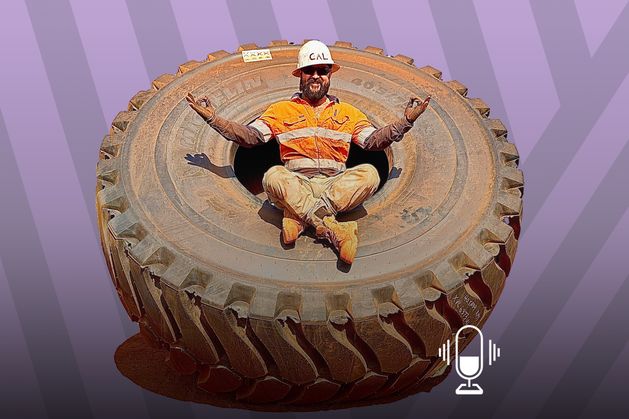
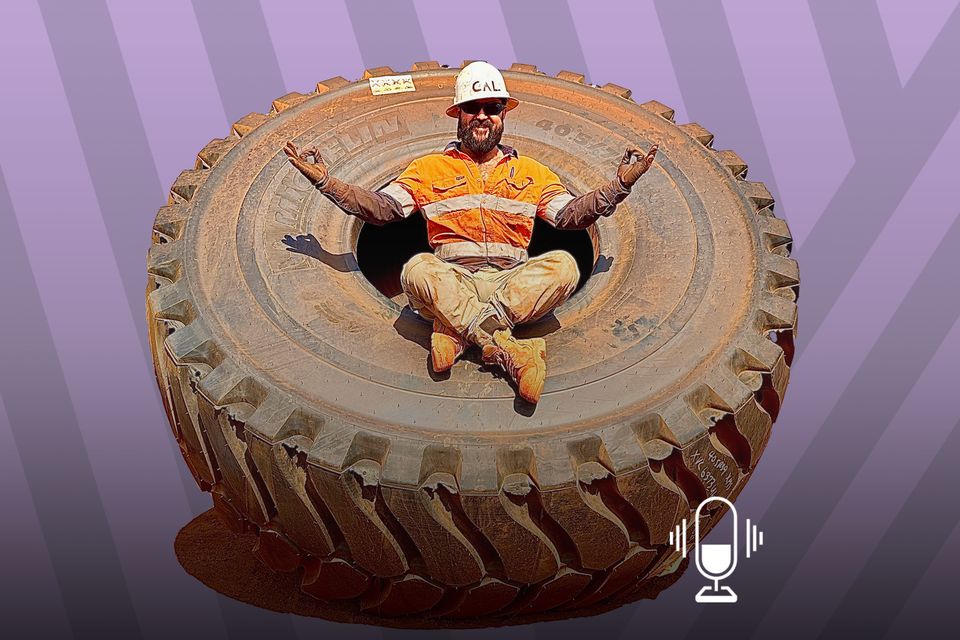
One person who has embraced it wholeheartedly is Lisburn man Cal McIlwaine, who dials into the Money Talks podcast this week from his workshop at a literal gold mine in Perth.
Having previously worked as an events manager in Belfast, McIlwaine found himself in a highly common and precarious position once Covid hit – no more work.
He had always wanted to travel, and Australia felt like the right fit. He planned ahead, and despite his lack of experience in the mechanical field, he managed to land himself a FIFO job within 28 days of landing in Perth.
So, what kind of hours has he been putting in during his jaunts down under?
“We’ll leave camp at half four [in the morning],” he says. “We start at 5am and then I’ll work 12 hours. I work 84 hours in the week, so that’s 12 hours for seven days in a row, and I do that for two weeks in a row.”
And what can that ultimately mean for your bank balance?
“In my very first year, I earned AUS$141,000 [€79,600] in nine months of work. And I had two months off at Christmas time. Yes, the work is hard, but your costs are virtually zero.
“In my first year, I wasn’t renting anywhere in Perth – all my wages were going into my pocket. I wasn’t paying for rent, I wasn’t paying for food. Whenever you’re up here, your accommodation is paid for, your flights are paid for, you can come off the site and spend absolutely zero dollars the entire time you’re here.”
It sounds perfect, but we can’t forget the hazards. Concerns have been raised about the dangers and impact of FIFO jobs, while headline-making studies have been published.
Today’s News in 90 – Wednesday, December 3
In 2015, the Australian government introduced a support policy for workers.
Asked about the toll it can take on the body and the brain, McIlwaine acknowledges that he has signed up for a dangerous job, but is quick to point out on-site safety protocols and support services like access to a psychologist should one be required.
“[There are] all these different things put in place to try and mitigate the dangers,” he says.
“But everything up on the site has the chance to kill you. People do die. Accidents happen on any kind of job. but everything’s massive up here: there’s a lot of pressure going through hoses and a lot of stuff can go wrong.
“So, it is dangerous. They try to mitigate the dangers as best they can, but there’s no way you can absolutely eliminate everything.”
For his part, McIlwaine has somewhat reinvented himself as a public-facing FIFO advocate: taking queries on social media and even drawing up the “ultimate guide” in the form of a comprehensive e-book available on his website at calmcilwaine.com.
For our full conversation with Cal McIlwaine, you can check out the latest episode of Money Talks wherever you get your podcasts.
The content of this podcast is for information purposes and does not constitute investment advice or recommendation of any investment product.